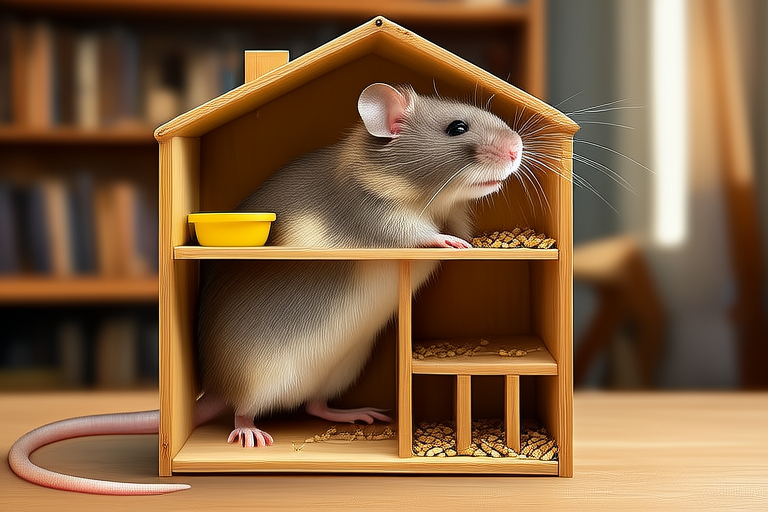
How to Create the Ultimate Habitat for Your Pet Fancy Rat
Welcome to the wonderful world of pet fancy rats! These intelligent, social creatures make fantastic companions. To ensure your rat lives a long, healthy, and happy life, it’s crucial to provide them with the best possible habitat. This guide will walk you through the essential aspects of creating the ultimate home for your pet fancy rat.
Selecting the Right Cage Size and Type
The first step in setting up your rat’s habitat is choosing the right cage. The cage should be spacious enough to allow your rat to move around freely, stretch out fully, and engage in natural behaviors like running, climbing, and playing. A good rule of thumb is to aim for at least 36 inches by 24 inches of floor space, but larger is always better. For multiple rats, add more space accordingly.
When it comes to cage types, wire cages are often recommended because they offer excellent ventilation and easy cleaning. However, solid-bottomed cages or those with a plastic base can also be used if the wire spacing is small enough to prevent your rat from escaping or getting injured. Avoid cages with large gaps between bars as they can pose safety risks.
Ensuring Proper Ventilation
Proper ventilation is vital for maintaining good air quality within the cage. Rats are sensitive to ammonia buildup from urine, which can lead to respiratory issues. Ensure that your chosen cage has adequate ventilation by checking for gaps between bars or mesh panels. If necessary, consider adding additional ventilation holes or using a cage cover with breathable fabric.
Position the cage away from direct sunlight, drafts, and areas with high humidity. This helps maintain a stable temperature and prevents overheating or chilling. In addition, placing the cage near windows or in rooms with fresh air circulation can further enhance ventilation.
Safe Bedding Materials
Choosing the right bedding material is crucial for your rat’s comfort and health. Opt for soft, absorbent bedding that won’t irritate their skin or respiratory system. Popular choices include recycled paper products (such as Carefresh), shredded paper, and wood shavings made from untreated pine or aspen. Avoid cedar and pine shavings, as they contain aromatic oils that can cause respiratory problems.
To keep the bedding clean and fresh, replace it weekly or as needed based on odor and soiling. Use a scoop to remove waste daily, and spot-clean any soiled areas immediately. Provide plenty of nesting material, such as soft towels or fleece blankets, for your rat to burrow into and feel secure.
Enriching the Environment with Toys, Tunnels, and Platforms
Rats are curious and active animals that need mental stimulation and physical exercise. Enrich their environment by providing various toys, tunnels, and platforms for climbing and exploration. Consider adding:
- Tunnels: PVC pipes or commercial rat tunnels encourage digging and crawling.
- Platforms: Elevated wooden or plastic platforms allow rats to climb and explore different heights.
- Toys: Chewable toys, ropes, and puzzle feeders promote dental health and cognitive engagement.
- Exercise wheels: A solid-surface wheel allows rats to run without risking injury.
- Hammocks: Soft fabric hammocks provide a cozy place to rest and nap.
Rotate toys regularly to prevent boredom and introduce new items gradually to avoid overwhelming your rat. Always supervise playtime and inspect toys for signs of wear or damage.
Suitable Dietary Requirements and Water Dispensers
A balanced diet is key to keeping your rat healthy and happy. Feed a mix of commercially available rodent pellets and fresh vegetables. Supplement their diet with occasional treats like fruits, seeds, or nuts. Avoid feeding sugary snacks or foods high in fat, as these can contribute to obesity and other health issues.
Provide fresh, clean water daily using a gravity-fed bottle or sipper tube attached to the side of the cage. Check the water level frequently and clean the bottle or tube every few days to prevent bacterial growth.
Cleaning Schedules and Temperature Control
Regular cleaning helps maintain hygiene and reduces odors. Establish a routine that includes daily waste removal, weekly bedding changes, and thorough cage cleaning every two weeks. Use mild soap and warm water to scrub the cage and accessories, then rinse thoroughly and allow everything to dry completely before replacing bedding and toys.
Maintain a comfortable temperature range between 65°F and 75°F (18°C to 24°C). Avoid extreme temperatures, drafts, or sudden temperature changes, which can stress your rat. Place the cage in a quiet area away from direct sunlight, heat sources, or cold drafts.
Noise Levels and Integration with Other Pets
Rats are sensitive to loud noises and sudden movements, so choose a location where they won’t be disturbed by household activities or outside noise. Keep the cage away from televisions, stereos, or other electronic devices that produce vibrations or electromagnetic interference.
If you have other pets, carefully consider introducing them to your rat. Cats and dogs may view rats as prey, while larger rodents like guinea pigs might bully or stress your rat. Supervised introductions under controlled conditions can sometimes work, but it’s essential to monitor interactions closely and prioritize your rat’s well-being.
Conclusion
Creating the ultimate habitat for your pet fancy rat involves careful consideration of many factors, from cage size and bedding materials to environmental enrichment and dietary needs. By following this guide, you’ll be well-equipped to provide your rat with a stimulating, comfortable, and healthy living space. Remember that each rat is unique, so pay attention to their individual preferences and adjust their habitat accordingly. With love, care, and attention, your rat will thrive and bring joy to your home for years to come.
