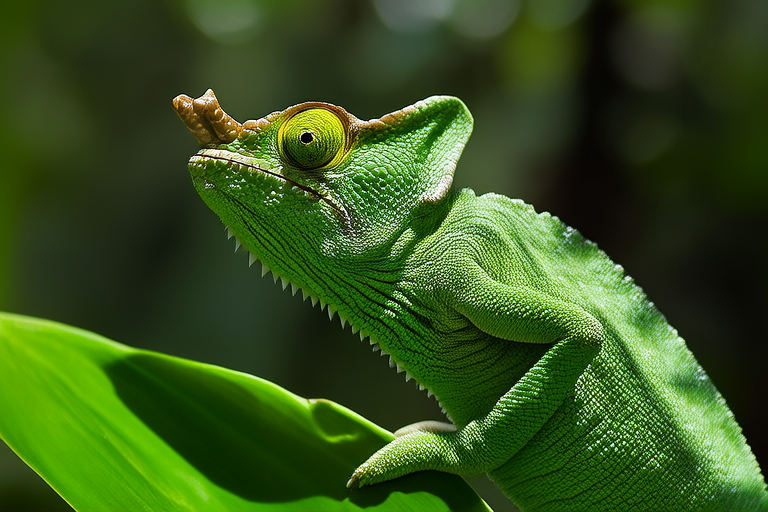
Top Secrets to Keeping Your Chameleon Happy and Healthy
Welcome to the fascinating world of chameleons! These captivating reptiles are known for their vibrant color changes and unique physical attributes. However, keeping a chameleon happy and healthy requires more than just a terrarium and some food. In this comprehensive guide, we will explore the top secrets to ensuring your chameleon thrives in its new home.
Understanding the Natural Environment
Chameleons are native to diverse habitats such as rainforests, deserts, and savannas. To keep your chameleon happy and healthy, it’s crucial to mimic these natural environments as closely as possible. This includes providing the right temperature, humidity levels, and space for your pet to thrive.
Proper Diet
Feeding your chameleon the correct diet is one of the most important aspects of its care. In the wild, chameleons primarily eat insects, but they also consume fruits and leaves. A balanced diet for your pet should include a variety of insects like crickets, dubia roaches, and waxworms. It’s essential to dust these insects with calcium and vitamin D3 supplements to prevent metabolic bone disease (MBD). Additionally, gut loading the insects with nutrient-rich foods before feeding them to your chameleon can enhance their nutritional value.
Hydration
Chameleons require adequate hydration to maintain their health. In nature, they drink water droplets from leaves and other surfaces. You can replicate this by misting your chameleon’s enclosure daily or providing a drip system. Another effective method is to place a shallow water dish at the bottom of the enclosure, although many chameleons prefer to drink from moving water sources. Ensuring your chameleon drinks enough water is crucial for its overall health.
Habitat Setup
Creating a suitable habitat for your chameleon is vital for its happiness and well-being. The enclosure should be large enough to allow for climbing and exploring. For instance, a young panther chameleon needs at least a 40-gallon tank, while adults require a minimum of 75 gallons. Equip the enclosure with branches, vines, and plants to provide ample opportunities for climbing and hiding. Live plants, such as pothos or ficus, can enhance the aesthetic appeal and offer additional enrichment.
Temperature Regulation
Maintaining the appropriate temperature gradient within the enclosure is crucial for your chameleon’s health. Chameleons are ectothermic, meaning they rely on external heat sources to regulate their body temperature. Provide a basking spot with a temperature of around 90-95°F (32-35°C) and ensure the cooler side of the enclosure stays between 70-75°F (21-24°C). Using thermometers placed at different heights within the enclosure helps monitor these temperatures accurately.
Lighting Requirements
Proper lighting is essential for chameleons’ health and well-being. Full-spectrum UVB lighting promotes the synthesis of vitamin D3, which aids in calcium absorption. Position the UVB light so that it reaches the basking area, ensuring your chameleon can bask under it for several hours each day. Replace the bulbs every six months to guarantee they remain effective. Additionally, providing a mix of fluorescent and incandescent lights can help create a natural day-night cycle.
Handling Techniques
While chameleons are fascinating pets, they generally don’t enjoy being handled frequently. Handling should be kept to a minimum to avoid stress. If you need to handle your chameleon, support its entire body gently and avoid squeezing or restraining it. Always wash your hands before and after handling to prevent the transfer of harmful bacteria.
Signs of a Healthy Chameleon
Observing your chameleon regularly can help you identify any potential issues early on. A healthy chameleon displays bright colors, alert behavior, and a robust appetite. Its eyes should be clear and responsive, and its skin should appear smooth and free from lesions. Regularly check for signs of illness, such as lethargy, loss of appetite, or discharge from the eyes, nose, or mouth. If you notice any concerning symptoms, consult a veterinarian specializing in reptiles.
Conclusion
By following these guidelines, you can create a thriving environment for your chameleon. Remember, chameleons have specific needs that must be met to ensure their happiness and longevity. With dedication and care, your pet will lead a fulfilling life. Always research thoroughly and stay informed about the latest advancements in chameleon care to provide the best possible environment for your scaly companion.
