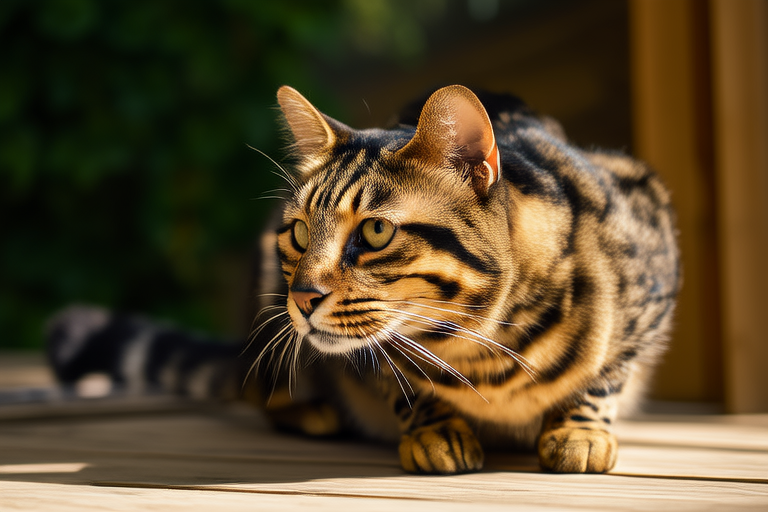
Unleashing the Mystery Behind the Spots: Life with a Bengal Cat
Welcome to the captivating world of Bengal cats! These felines have become increasingly popular among cat enthusiasts due to their striking appearance and dynamic personalities. With their sleek bodies and distinctive spotted coats, Bengal cats possess an undeniable charm that sets them apart from other domesticated breeds. In this article, we will explore the unique characteristics of Bengal cats, delve into their origins, discuss their temperament and care requirements, and share personal stories that highlight the joys and challenges of living with these enchanting creatures.
The Unique Appearance of Bengal Cats
Bengal cats are instantly recognizable by their strikingly beautiful coats, which feature large, bold spots that resemble those of their wild ancestors. Their fur can range from golden brown to charcoal grey, with each spot varying in size and shape. The contrast between the background color and the spots creates a mesmerizing pattern that mimics the coat of an Asian leopard cat. This wild look is further enhanced by the Bengal’s muscular build, almond-shaped eyes, and long, flowing tails.
One of the most fascinating aspects of a Bengal cat’s coat is its texture. Unlike the soft, plush fur of many other domestic breeds, the Bengal’s coat has a luxurious, almost velvety feel. This unique texture is achieved through a process known as ‘glittering’, where individual hairs have a slight sheen, making the cat appear even more exotic under certain lighting conditions. This distinctive appearance has earned Bengal cats the nickname ‘little leopards’, and it’s easy to see why.
The Origins of Bengal Cats
The history of Bengal cats dates back to the mid-20th century when breeders began experimenting with crosses between domestic cats and Asian leopard cats. The goal was to create a domestic cat with the wild appearance of its ancestors while retaining the gentle, affectionate nature of house cats. Through careful breeding programs, the Bengal cat was eventually developed as a distinct breed recognized by various cat registries around the world.
The first successful cross between a domestic cat and an Asian leopard cat occurred in the 1960s, when Dr. Jean Mill, a geneticist and cat breeder, combined a female Asian leopard cat with a male domestic shorthair. Over several generations, breeders refined the breed by selecting for desirable traits such as large spots, muscular builds, and friendly dispositions. Today, Bengal cats are typically four to five generations removed from their wild ancestors, ensuring they are fully domesticated and safe to keep as pets.
Temperament and Personality Traits
Bengal cats are known for their high energy levels and playful natures. They are often described as being ‘dog-like’ in their loyalty and enthusiasm, and they thrive on interaction with their human companions. Bengals are intelligent and curious creatures, always eager to explore new environments and investigate interesting objects. This curiosity can sometimes lead to mischief, so owners must be prepared for the occasional bout of troublemaking.
Despite their energetic tendencies, Bengal cats are generally very affectionate and enjoy spending time with their families. They are often found following their owners around the house, seeking out attention and cuddles. However, Bengals are not lap cats in the traditional sense; they prefer to interact on their own terms, often sitting nearby rather than directly on top of their humans. Their independent streak can make them challenging to train, but with patience and positive reinforcement, Bengals can learn tricks and commands just like dogs.
Another hallmark of Bengal cats is their vocal nature. While not as talkative as some breeds, Bengals are known for their variety of chirps, trills, and meows. Owners may find themselves entertained by their cat’s unique vocalizations, especially during playtime or when they are feeling particularly excited. This communication style adds another layer of depth to the bond between owner and pet.
Caring for a Bengal Cat
While Bengal cats are relatively low-maintenance compared to some other breeds, they do have specific dietary and exercise needs that owners should be aware of. Bengals are obligate carnivores, meaning their diet should consist primarily of meat-based proteins. High-quality commercial cat foods formulated for indoor cats or adult cats are generally sufficient, but owners may also choose to supplement their cat’s diet with raw or cooked meats. It’s important to consult with a veterinarian before making any significant changes to your cat’s diet.
Due to their high energy levels, Bengal cats require plenty of opportunities for physical activity. Providing them with interactive toys, climbing structures, and scratching posts can help keep them mentally stimulated and physically fit. Regular play sessions with their owners are also beneficial, as they allow for bonding and exercise at the same time. Some Bengals enjoy playing fetch or chasing laser pointers, while others may prefer more solitary pursuits like stalking toys or exploring new areas of the home.
Grooming a Bengal cat is relatively straightforward, thanks to their short, dense coats. Weekly brushing with a slicker brush or comb is usually sufficient to remove loose hair and distribute natural oils throughout the fur. Bathing is rarely necessary unless the cat gets into something particularly messy, as their self-grooming habits are quite effective. However, owners should still check their cat’s ears regularly for signs of wax buildup or infection and clean them gently if needed.
Personal Anecdotes and Experiences
Living with a Bengal cat can be both rewarding and challenging, as these cats bring a unique blend of excitement and unpredictability to the household. One of the most memorable moments I’ve had with my Bengal, Luna, was during her first encounter with water. Despite her initial hesitation, she quickly discovered her love for splashing and swimming, much to our amusement. Now, bath time has become a fun ritual where she happily wades in shallow water, occasionally trying to catch bubbles.
However, not all experiences have been smooth sailing. Bengals can be quite territorial, and Luna has had her fair share of clashes with other animals in the neighborhood. One evening, while walking home, we noticed that she had chased away a stray dog that had wandered too close to our property. Her protective instincts were admirable, but it also highlighted the need for proper socialization and training to ensure she behaves appropriately around unfamiliar creatures.
Despite the occasional hiccup, the joy of having a Bengal cat in the family far outweighs the challenges. Their boundless energy, playful antics, and unwavering loyalty make them truly special companions. Whether they’re leaping onto counters to retrieve hidden treats or curling up beside us for a quiet moment, Bengal cats bring a unique spark of wildness into our lives.
The Unique Charm of Bengal Cats
In conclusion, Bengal cats are a testament to the beauty and complexity of nature. From their striking appearance to their vibrant personalities, these cats offer a one-of-a-kind experience for those lucky enough to share their homes. Their wild heritage shines through in every aspect of their behavior, from their playful hunting instincts to their vocal communication styles. While caring for a Bengal cat requires dedication and understanding, the rewards are immeasurable.
Whether you’re a seasoned cat lover or considering adding a Bengal to your family for the first time, there’s no denying the allure of these magnificent creatures. Their ability to captivate and inspire makes them beloved pets in households across the globe. As we continue to learn more about Bengal cats and appreciate their unique qualities, it’s clear that they will remain a favorite among cat enthusiasts for generations to come.
