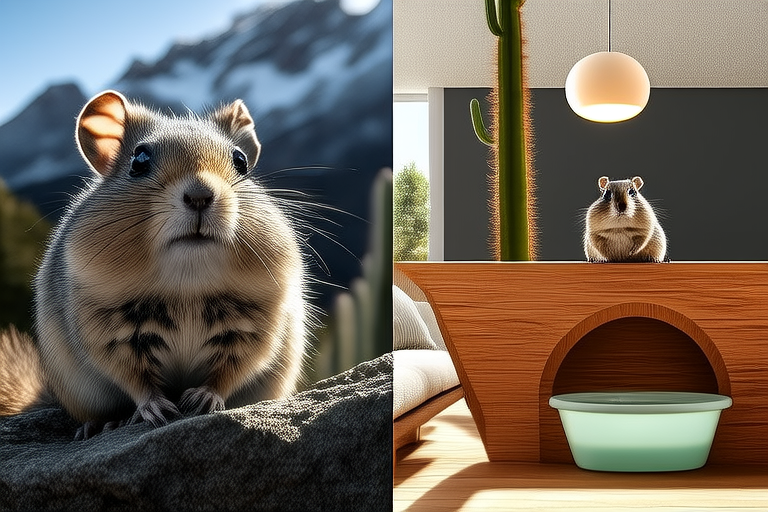
From Andes to Living Rooms: The Journey of Chinchillas as Pet Stars
In the heart of South America, nestled between the towering peaks of the Andes mountains, lives a creature whose journey from wild to domestic has captured the hearts of many. The chinchilla, known for its luxuriously soft fur and playful demeanor, has evolved from a mountaintop dweller to a cherished pet in living rooms around the world. This article explores the fascinating history and unique characteristics of chinchillas, offering insight into what makes these animals so appealing as companions.
Natural Habitat and Adaptations
The Andes mountains, stretching over 7,000 kilometers through seven countries, provide the perfect environment for chinchillas. These rodents inhabit rocky areas at high altitudes, often above 3,000 meters. Their natural habitat is characterized by cold temperatures, strong winds, and limited vegetation. To survive in such conditions, chinchillas have developed remarkable adaptations.
One of their most notable features is their dense fur, which serves as insulation against the harsh mountain climate. Each square inch of a chinchilla’s coat contains approximately 20,000 hairs, making it one of the softest furs in the animal kingdom. This dense fur also helps protect them from the elements, including predators and extreme weather conditions.
Chinchillas have also adapted to the scarcity of food sources typical of their habitat. They are herbivores, primarily feeding on grasses, leaves, and seeds. Their digestive systems are highly efficient, allowing them to extract maximum nutrition from their diet. Additionally, they possess large ears that help regulate body temperature and maintain balance in their rocky environment.
Historical Context and Domestication
The domestication of chinchillas began in the mid-19th century, driven by the demand for their luxurious fur. Initially, chinchillas were hunted extensively for their pelts, leading to significant population declines. However, the challenges faced during this period also played a crucial role in their eventual domestication.
The first successful breeding of chinchillas in captivity occurred in 1923 when Mathias F. Chapman, a mining engineer, brought two chinchillas from Chile to the United States. He established a breeding program, and his efforts laid the foundation for the domestic chinchilla industry. Despite initial setbacks, including the loss of early breeding stock, Chapman’s perseverance paved the way for the species’ survival.
Today, domesticated chinchillas are bred primarily for their companionship rather than their fur. Advances in breeding techniques and veterinary care have improved the health and well-being of these animals, making them more suitable as pets. However, the journey from wild to domestic was not without its challenges, and the lessons learned along the way have contributed to better practices in animal husbandry.
Unique Characteristics That Appeal to Pet Owners
Chinchillas possess several traits that make them attractive as pets. Their soft fur is undoubtedly one of their most distinguishing features. While this fur is no longer used commercially due to ethical concerns, it remains a point of fascination for many pet owners. The plush texture and vibrant coloration of their coats can vary, adding to their allure.
Beyond their appearance, chinchillas are known for their playful and curious nature. They are intelligent creatures that enjoy exploring their surroundings and interacting with their human companions. Their inquisitive behavior can be both entertaining and endearing, fostering strong bonds between owners and their pets.
Grooming is another aspect of chinchillas that sets them apart. Unlike many other small mammals, chinchillas bathe in dust rather than water. This unique habit involves rolling in fine volcanic ash or specially formulated dust baths to clean their fur and skin. Providing appropriate dust baths is essential for maintaining their health and hygiene.
Tips for Optimal Care
For those considering a chinchilla as a pet, understanding their specific needs is crucial. Proper care ensures that these animals remain healthy and happy in a domestic setting.
Diet: A balanced diet is vital for chinchillas. Their primary food source should be high-quality hay, supplemented with pellets specifically formulated for chinchillas. Fresh vegetables and fruits can be offered in moderation, but care must be taken to avoid foods that could cause digestive issues. Providing fresh water daily is also essential.
Housing: Chinchillas require spacious enclosures that allow for ample movement and climbing. Cages should be equipped with multiple levels and sturdy perches to encourage exercise and mental stimulation. The cage should be placed in a cool, quiet area away from direct sunlight and drafts. Bedding should consist of materials safe for small animals, such as paper-based products or aspen shavings.
Social Interaction: Chinchillas are generally solitary animals in the wild, but they can form close bonds with their human caregivers. Regular interaction, handling, and playtime are important for their emotional well-being. It’s advisable to handle chinchillas gently and consistently to build trust and reduce stress.
Current Trends and Future Prospects
The popularity of chinchillas as pets continues to grow, fueled by increasing awareness of their unique attributes. Responsible ownership is paramount, as these animals have specific care requirements that must be met to ensure their health and happiness. Educational resources and community support networks play a vital role in promoting ethical pet ownership.
Conservation efforts are also gaining momentum, particularly in regions where wild chinchilla populations still exist. Protecting their natural habitats and addressing threats such as poaching and habitat destruction are critical steps toward ensuring the long-term survival of this species. By supporting conservation initiatives and advocating for responsible pet ownership, we can contribute to the well-being of chinchillas both in the wild and in our homes.
In conclusion, the journey of chinchillas from the Andes mountains to living rooms worldwide is a testament to their resilience and adaptability. As we continue to learn more about these fascinating creatures, it becomes increasingly clear that their unique characteristics and gentle nature make them beloved companions. By embracing responsible ownership and supporting conservation efforts, we can ensure that chinchillas remain cherished pets for generations to come.
