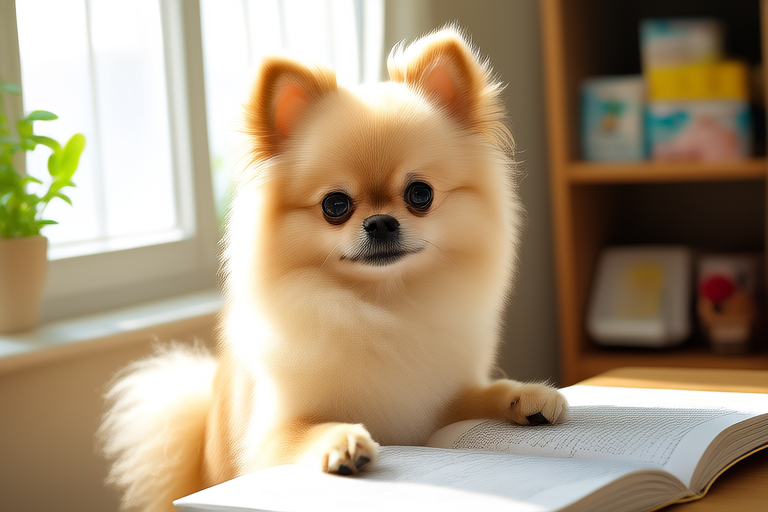
Pomeranian Parenting 101: Tips for Raising a Happy, Healthy Little Companion
Welcome to the wonderful world of Pomeranian parenting! These small but mighty dogs are known for their fluffy coats and big personalities. As a Pomeranian owner, you have the unique opportunity to provide your furry friend with a loving home filled with joy and health. This guide will walk you through essential aspects of caring for your Pomeranian, from basic care to socialization, ensuring both you and your pet live happily ever after.
Basic Care Requirements
Your Pomeranian requires a safe, comfortable environment that caters to their physical and emotional needs. Start by setting up a cozy bed in a quiet corner of your home. Choose a soft, warm bed with a blanket or two. For instance, a plush dog bed with removable covers can be easily washed, keeping it fresh and inviting for your pet. Additionally, ensure your home has a designated area where your Pomeranian can relieve themselves. A puppy pad or a small litter box can be used indoors until they are fully trained.
Dietary Needs
A well-balanced diet is crucial for maintaining your Pomeranian’s health. High-quality dog food formulated specifically for small breeds is ideal. Look for foods that include essential nutrients like proteins, fats, carbohydrates, vitamins, and minerals. It’s important to avoid overfeeding, as Pomeranians are prone to obesity. Measure out meals carefully and stick to a consistent feeding schedule. For example, two small meals a day, morning and evening, is generally recommended. Always keep fresh water available, and consider using a pet-safe water fountain to encourage drinking.
Exercise Routines
Despite their small size, Pomeranians require regular exercise to stay healthy and happy. Daily walks and play sessions are essential. Aim for at least 30 minutes of activity each day. Short bursts of playtime in the backyard or at a local park can help burn off excess energy. Interactive toys, such as puzzle feeders or fetch toys, can also stimulate their minds while providing physical activity. Remember, exercise not only keeps them fit but also helps prevent behavioral issues caused by boredom.
Grooming Tips
Pomeranians have thick, luxurious coats that require regular grooming to prevent matting and skin irritations. Brush your Pomeranian daily with a slicker brush or comb to remove loose hair and distribute natural oils. Bathing should be done every few weeks, using a mild dog shampoo. Trim their nails when necessary, usually every four to six weeks, and check their ears weekly for any signs of infection or debris. Cleaning their teeth regularly with a pet-friendly toothpaste can also contribute to overall health.
Training Methods
Consistency and positive reinforcement are key when training your Pomeranian. Start with basic commands like “sit,” “stay,” and “come.” Use treats and praise to reward good behavior, making training sessions short and fun. Avoid harsh punishments, as this can lead to fear and aggression. Instead, focus on building a strong bond based on trust and respect. For example, if your Pomeranian jumps on guests, redirect their attention to a toy or command them to sit instead. With patience and persistence, your Pomeranian will learn to behave appropriately in various situations.
Common Health Issues
Pomeranians are generally healthy, but they are susceptible to certain health problems. Regular veterinary check-ups are essential for early detection and treatment. Common issues include dental disease, patellar luxation (dislocated kneecap), and hypothyroidism. Keep an eye out for symptoms such as excessive drooling, difficulty walking, or changes in appetite or energy levels. Early intervention can make a significant difference in managing these conditions effectively.
Socialization Techniques
Proper socialization is vital for your Pomeranian’s development. Introduce them to different people, animals, and environments from a young age to help them become confident and well-adjusted. Take your Pomeranian to parks, pet stores, and friends’ homes. Encourage gentle interactions with other dogs and friendly pets. Socialization not only helps prevent aggression but also fosters a loving and trusting relationship between you and your pet. For instance, attending puppy classes can provide structured socialization opportunities in a controlled environment.
Creating a Safe and Stimulating Environment
A safe and stimulating home environment is essential for your Pomeranian’s well-being. Remove any potential hazards, such as toxic plants or small objects that could be swallowed. Provide plenty of chew toys to prevent destructive chewing. Consider adding interactive toys or puzzle feeders to keep your Pomeranian mentally engaged. Establish a routine that includes regular meals, exercise, and playtime to create a sense of security and predictability. A secure outdoor space, like a fenced yard, allows your Pomeranian to explore safely while supervised.
Conclusion
Raising a Pomeranian is a rewarding experience filled with love and companionship. By following these tips and tailoring your approach to your individual pet’s needs, you can ensure your Pomeranian lives a long, happy, and healthy life. Remember, every dog is unique, so be patient and attentive to your pet’s individual requirements. With proper care, training, and attention, you and your Pomeranian will share countless joyful moments together.
