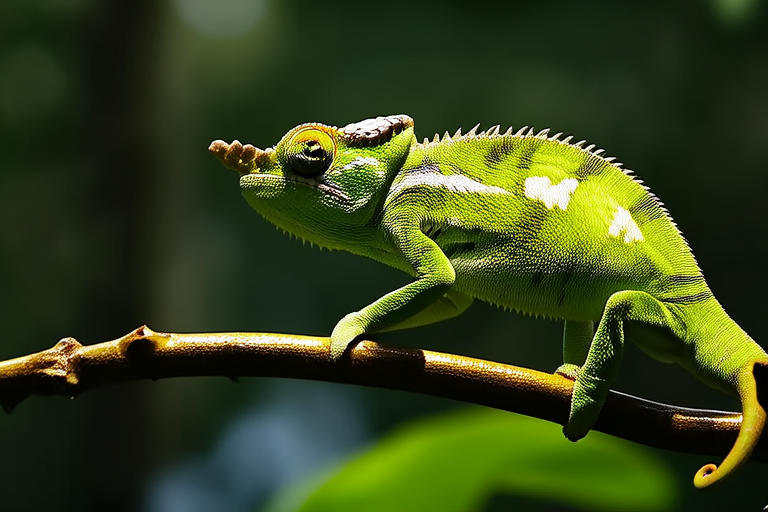
Unveiling the Mysterious World of Chameleons: Facts You Need to Know
Welcome to the fascinating realm of chameleons, creatures that have long captured human imagination with their unique characteristics. These lizards are not only known for their remarkable ability to change colors but also for their distinct anatomy and specific habitat requirements. Let’s dive into the intriguing world of chameleons and explore what makes them so special.
The Unique Characteristics of Chameleons
Chameleons are perhaps best known for their extraordinary ability to change colors. This adaptation serves multiple purposes, including communication, camouflage, and temperature regulation. Their skin contains specialized cells called chromatophores, which contain pigments that can expand or contract, altering the visible color of the chameleon. While many people believe that chameleons change color solely to blend into their surroundings, this is just one aspect of their complex behavior.
Beyond their color-changing abilities, chameleons possess a unique anatomy that sets them apart from other reptiles. Their eyes, which can move independently, allow them to have a 360-degree field of vision. This feature is particularly useful when hunting prey or avoiding predators. Additionally, chameleons have long, sticky tongues that can extend up to twice their body length, enabling them to catch insects with remarkable precision. Their feet are also adapted for gripping branches, featuring two toes pointing forward and two pointing backward, providing excellent stability.
Chameleons prefer habitats that offer dense vegetation and warm temperatures. They are primarily found in Africa, Madagascar, and parts of southern Europe and Asia. The lush rainforests and dry scrublands of these regions provide ideal conditions for chameleons to thrive. Their arboreal nature means they spend most of their time high in trees, where they can bask in sunlight and stay hidden from potential threats.
Diet and Lifespan
Chameleons are insectivores, meaning their diet consists mainly of insects such as crickets, locusts, and grasshoppers. In captivity, it is essential to provide a varied diet to ensure they receive all necessary nutrients. Some species may also consume small vertebrates or plant matter, though this is less common. Feeding your chameleon live insects ensures they get the movement and stimulation needed to hunt naturally.
The lifespan of a chameleon varies depending on the species. Generally, smaller species like the veiled chameleon live around five years, while larger species like the Parson’s chameleon can reach up to ten years. Proper care, including appropriate diet and environment, plays a significant role in extending their lifespan.
Reproduction and Breeding Habits
Chameleons reproduce through internal fertilization, and the male deposits sperm into the female’s reproductive tract. After mating, the female will lay eggs, typically between 20 and 80, depending on the species. She will dig a nest in the ground and bury her eggs, where they will incubate for several months before hatching. Newborn chameleons are fully independent from birth and must fend for themselves immediately.
During the breeding season, males often display vibrant colors and engage in territorial displays to attract females. These behaviors are crucial for successful reproduction and contribute to the rich diversity of chameleon species.
Common Misconceptions About Chameleons
One of the most widespread myths about chameleons is that they change color to match their surroundings perfectly. While this ability helps them blend in, it is not their primary reason for changing color. Instead, chameleons use color changes to communicate emotions, regulate body temperature, and signal to potential mates or rivals. Another misconception is that chameleons can only be found in tropical environments. Although many species inhabit warm climates, some can also be found in cooler regions, adapting to various conditions.
Why Do Chameleons Change Colors?
The primary reasons chameleons change colors are for communication, thermoregulation, and mood expression. When a chameleon feels threatened, it may display darker colors to appear larger and more intimidating. Conversely, lighter colors can indicate relaxation or a desire to blend in. These color changes are controlled by the nervous system and hormones, allowing chameleons to respond quickly to their environment.
Tips for Keeping Chameleons as Pets
If you’re considering adding a chameleon to your household, it’s crucial to understand their specific care requirements. First, invest in a well-designed enclosure that mimics their natural habitat. This includes plenty of vertical space for climbing and ample foliage for hiding. A UVB light source is essential for calcium absorption and overall health, while maintaining appropriate humidity levels is vital for hydration and shedding.
Feeding your pet chameleon a balanced diet is equally important. Offer a variety of insects dusted with calcium powder and vitamins to ensure they receive all necessary nutrients. Regular monitoring of weight and health is recommended, as sudden changes can indicate underlying issues.
Lastly, handle your chameleon gently and infrequently, as excessive handling can cause stress. Always wash your hands before and after handling to prevent the spread of bacteria. By following these guidelines, you can provide a safe and comfortable environment for your pet chameleon, allowing them to thrive in captivity.
In conclusion, chameleons are fascinating creatures with unique adaptations that make them stand out among reptiles. From their ability to change colors to their specialized anatomy, each aspect of their biology contributes to their survival in the wild. Whether you’re an experienced reptile keeper or new to the hobby, understanding the complexities of chameleon care can enrich your experience and ensure the well-being of these incredible animals.
