From Jungle to Tank: All You Need to Know About Rajah Cichlid Care
Introduction to Rajah Cichlids, Their Native Habitat, and Brief History
The Rajah Cichlid, scientifically known as Vicariance cichlid, is a captivating freshwater fish that has captured the hearts of many aquarists due to its striking appearance and unique behavior. Originating from the lush rainforests of South America, specifically the Amazon River Basin, these fish have adapted to the rich biodiversity and challenging environmental conditions of their natural habitat. The Rajah Cichlid’s journey from the wild to the aquarium showcases the resilience and adaptability of this remarkable species.
Historically, Rajah Cichlids were first discovered in the late 19th century by European explorers who marveled at the vibrant colors and complex behaviors of these fish. Over time, they have become popular among aquarium enthusiasts for their distinct patterns and their ability to thrive in well-maintained tanks. However, understanding the specific needs of these fish is crucial to ensuring their health and longevity in captivity.
Detailed Description of Their Appearance and Size
Rajah Cichlids are known for their stunning appearance, which makes them a favorite among aquarists. Males typically reach an adult size of around 6 inches (15 cm), while females tend to be slightly smaller, growing up to 5 inches (13 cm). Their bodies are elongated and robust, giving them a streamlined shape that allows for swift movements through the water.
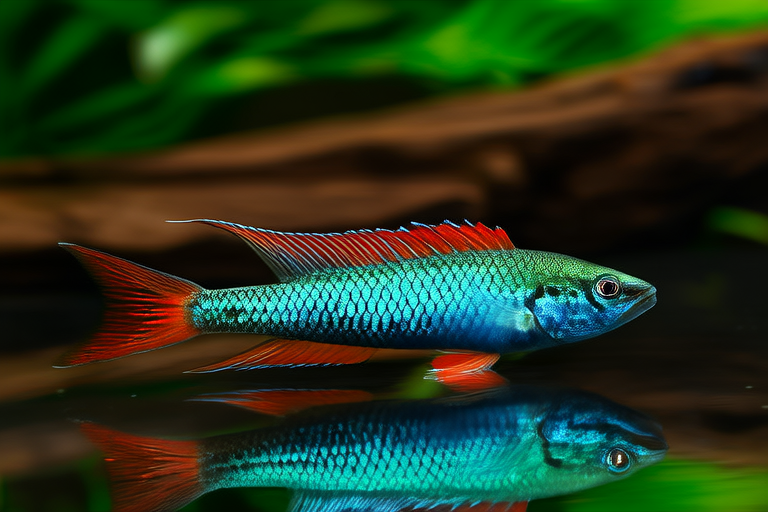
One of the most striking features of Rajah Cichlids is their vibrant coloration. Adult males display a brilliant array of colors, including deep blues, greens, and yellows, with distinctive black markings that vary depending on the individual fish. Females, on the other hand, exhibit more subdued hues but still possess a beautiful iridescent sheen. Both sexes develop prominent dorsal and anal fins, adding to their overall elegance.
Specific Water Conditions They Require for Optimal Health (Temperature, pH Level, Hardness)
To maintain the optimal health of Rajah Cichlids, it is essential to replicate their natural environment as closely as possible. These fish thrive in warm waters with a temperature range of 75°F to 82°F (24°C to 28°C). The pH level should be kept between 6.5 and 7.5, reflecting the slightly acidic nature of their native rivers. Additionally, the water hardness should be maintained within a range of 5 to 12 dGH to ensure proper osmoregulation and overall well-being.
Regular monitoring of these parameters is crucial, as fluctuations can stress the fish and lead to health problems. Using a reliable water testing kit and performing routine water changes are key practices to maintaining stable conditions. It is also advisable to install a high-quality filter system capable of handling the bioload generated by these active swimmers.
Diet Requirements and Feeding Habits
Rajah Cichlids are omnivorous, meaning they consume both plant matter and animal protein. In the wild, their diet consists of small insects, crustaceans, algae, and aquatic plants. To meet their nutritional needs in captivity, a balanced diet of high-quality pellets, flakes, and frozen or live foods is recommended. A varied diet that includes brine shrimp, bloodworms, and vegetable-based foods will help promote healthy growth and vibrant coloration.
Feeding should occur twice daily, with small portions given during each session to prevent overfeeding and water quality issues. It is important to monitor the fish’s appetite and adjust feedings accordingly. Overfeeding can lead to obesity and other health problems, so it is crucial to strike a balance between providing sufficient nutrients and avoiding excess food.
Tank Setup Essentials, Including Appropriate Tank Size, Substrate, Plants, and Decorations
Creating an ideal habitat for Rajah Cichlids requires careful consideration of various factors, including tank size, substrate, plants, and decorations. A minimum tank size of 55 gallons (208 liters) is recommended to provide ample swimming space and reduce stress. Larger tanks offer additional benefits, such as better water quality and increased stability for breeding pairs.
The substrate should consist of fine gravel or sand to mimic the riverbeds found in their natural habitat. This provides a comfortable surface for the fish to rest and forage. Adding live plants like Java fern, Amazon sword, and Anubias is beneficial, as they not only enhance the aesthetic appeal of the tank but also contribute to oxygenation and filtration. Floating plants can also be included to provide shade and reduce light intensity.
Decorations such as driftwood, rocks, and caves are essential for creating hiding spots and territories. These structures stimulate natural behaviors and help establish a hierarchy within the tank. Providing multiple hiding places is particularly important when housing multiple Rajah Cichlids, as it reduces aggression and promotes a harmonious environment.
Behavior and Temperament, Including Compatibility with Other Fish Species
Rajah Cichlids are known for their territorial nature and can be somewhat aggressive, especially during breeding periods. While they can coexist with certain species, it is crucial to choose tank mates carefully to avoid conflicts. Compatible fish include robust species like Synodontis catfish, larger tetras, and peaceful cichlids from similar environments. Avoid keeping them with slow-moving or delicate fish, as they may become targets of aggression.
Establishing a clear hierarchy early on can help minimize conflicts. Introducing new fish gradually and providing plenty of hiding spots and territories can also reduce tension. It is important to observe the interactions between the fish and make adjustments as needed to ensure a peaceful community.
Breeding Information If Applicable
Breeding Rajah Cichlids can be a rewarding experience for dedicated aquarists. To encourage spawning, it is necessary to create optimal breeding conditions, including a well-maintained tank with suitable hiding spots and a balanced diet. Pair formation is often observed naturally, but introducing a compatible pair can also be effective. Once a pair has formed, they will begin to establish a territory and prepare for spawning.
The female will lay eggs on a flat surface, such as a rock or the side of the tank, and the male will fertilize them. Both parents will then guard the eggs and fry, ensuring their safety. Providing a separate breeding tank with ample hiding spots and a stable environment is highly recommended to increase the chances of successful reproduction. Monitoring the progress closely and removing any aggressive individuals can further support the breeding process.
Common Health Issues and Preventive Measures
Like all fish, Rajah Cichlids are susceptible to various health issues, including bacterial infections, parasitic infestations, and swim bladder disorders. Maintaining excellent water quality through regular water changes and proper filtration is crucial for preventing many common ailments. Additionally, quarantine new additions to the tank for at least two weeks before introducing them to the main aquarium to avoid the spread of diseases.
Signs of poor health include lethargy, loss of appetite, abnormal swimming behavior, and visible lesions. Prompt action is necessary if any of these symptoms are observed. Quarantining the affected fish and treating them with appropriate medications can help manage and resolve health issues. Consulting with a veterinarian specializing in exotic pets can also provide valuable guidance and support.
Conclusion Summarizing Key Points and Encouraging Responsible Ownership
In conclusion, Rajah Cichlids are a fascinating and rewarding addition to any aquarium, provided that their specific needs are met. By understanding their native habitat, dietary preferences, and behavioral tendencies, you can create an environment that promotes their health and happiness. Proper tank setup, regular maintenance, and careful selection of tank mates are essential components of responsible ownership.
Remember, owning Rajah Cichlids comes with significant responsibilities. It is crucial to commit to providing them with the best possible care throughout their lives. By doing so, you not only ensure their well-being but also contribute to the preservation and appreciation of these magnificent creatures. Happy fishkeeping!
