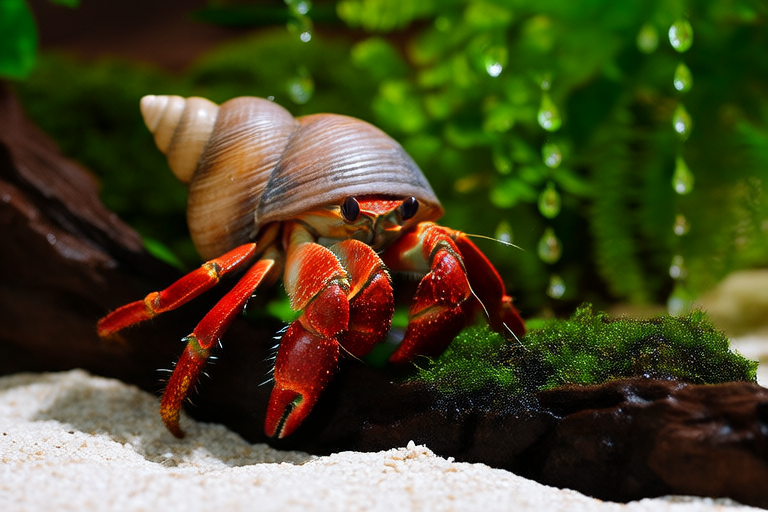
The Ultimate Guide to Hermit Crab Care: Tips for Happy, Healthy Pets
Hermit crabs make wonderful pets for people of all ages, offering a unique and fascinating experience. They are relatively low-maintenance creatures that can thrive in a well-maintained environment. This guide provides comprehensive information on how to care for your hermit crabs, including setting up their habitat, feeding them properly, maintaining the right temperature and humidity, handling them safely, addressing common health issues, and providing enriching activities to keep them active and engaged.
1. Habitat Setup
Creating a suitable habitat is crucial for the well-being of your hermit crabs. Start by choosing an appropriate tank; a 10-gallon aquarium is sufficient for a small group of hermit crabs. Ensure the tank has a secure lid to prevent escapes.
Substrate is another important aspect of the habitat. Use a mixture of sand, coconut fiber, and crushed coral. The substrate should be at least three inches deep to allow digging and burrowing. Avoid using calcium sand or play sand as they can cause impaction if ingested.
In addition to substrate, provide plenty of hiding spots, such as shells, caves, and branches. These items offer shelter and security for your hermit crabs. Regularly clean and disinfect these objects to maintain hygiene.
2. Proper Diet
Hermit crabs are omnivores, meaning they eat both plant and animal matter. A balanced diet includes fresh fruits and vegetables, commercial hermit crab food, and occasional protein sources like boiled shrimp or fish. Offer a variety of foods to ensure a well-rounded diet.
Place food in shallow dishes and remove any uneaten portions after 24 hours to prevent mold growth. Fresh water and salt water are also essential. Provide a shallow dish of dechlorinated freshwater for drinking and bathing. Salt water, made from marine-grade aquarium salt, should be available for shell dipping. Ensure the salt water is at the correct salinity level (1.020-1.025 specific gravity).
3. Maintaining Optimal Temperature and Humidity Levels
Hermit crabs thrive in tropical environments. Maintain a temperature range between 75°F and 85°F (24°C to 29°C) using a heat lamp or under-tank heater. Monitor the temperature with a thermometer placed inside the tank.
Maintain humidity levels between 70% and 80% to prevent dehydration. Achieve this by misting the tank daily, using a spray bottle filled with dechlorinated water. Alternatively, place a water dish filled with dechlorinated water near the heat source to increase humidity through evaporation.
4. Handling Hermit Crabs Safely
Handle hermit crabs gently to avoid stressing them. Wash your hands before and after handling to prevent transferring oils or chemicals onto the crabs. Support the entire body when picking them up, rather than grabbing their claws or shells.
Avoid handling hermit crabs excessively, as it can lead to stress and health problems. Limit handling sessions to no more than a few minutes at a time.
5. Common Health Issues
Despite being hardy creatures, hermit crabs can encounter health issues. One common problem is molting, during which they shed their exoskeleton. During this process, hermit crabs may appear lethargic and hide for extended periods. Provide a shallow dish of dechlorinated water to aid in the molting process.
Another issue is shell disease, characterized by dark spots or patches on the shell. To prevent shell disease, avoid overcrowding, maintain proper humidity levels, and regularly clean the tank. If you notice signs of shell disease, quarantine the affected crab and consult a veterinarian specializing in exotic pets.
6. Enrichment Activities
To keep your hermit crabs mentally stimulated and physically active, provide enrichment activities. Rotate toys and accessories in the tank to prevent boredom. Introduce new items periodically to encourage exploration and foraging behavior.
Hermit crabs enjoy climbing, so include structures like branches or artificial caves in their habitat. These structures not only provide entertainment but also help maintain muscle tone and coordination.
Conclusion
Caring for hermit crabs requires attention to detail and commitment to their well-being. By setting up a suitable habitat, providing a balanced diet, maintaining optimal temperature and humidity levels, handling them safely, addressing common health issues, and offering enriching activities, you can ensure your hermit crabs live happy, healthy lives. With proper care, these fascinating creatures will bring joy and wonder to your home for years to come.
