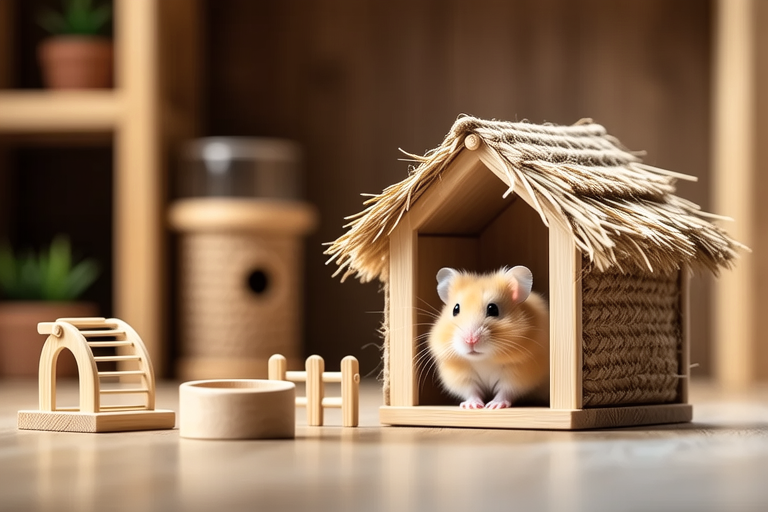
Building the Perfect Habitat for Your Little Hamster Friend
Welcome to your comprehensive guide on creating an ideal habitat for your little hamster friend! This guide will walk you through selecting the right cage size and type, choosing essential bedding materials, providing safe toys and accessories, setting up proper food and water dispensers, maintaining hygiene and cleaning schedules, understanding temperature and lighting requirements, and offering tips for ensuring a stress-free environment for your hamster.
Selecting the Right Cage Size and Type
The first step in building the perfect habitat is choosing the right cage size and type. A spacious cage allows your hamster to explore, exercise, and maintain good physical health. The minimum recommended cage size for a single hamster is approximately 400 square inches (about 2.6 feet by 1.5 feet), but larger cages are always better. Ensure the cage has enough vertical space for climbing and playing.
There are several types of cages available:
- Aquariums: These are great for hamsters as they provide a secure environment and are easy to clean. However, they lack ventilation, so ensure there are adequate air holes or consider using a wire mesh lid.
- Cage with Bars: These allow for excellent ventilation and visibility, making them ideal for hamsters. Ensure the bars are spaced closely enough to prevent escape but not too close that they restrict movement.
- Tiered Cages: These offer multiple levels for exploration and climbing, providing a stimulating environment for your hamster. Make sure the steps or ramps between levels are secure and not too steep.
When selecting a cage, also consider its location. Place it in a quiet area away from direct sunlight, drafts, and loud noises. Avoid placing the cage near windows or doors where sudden movements or noises could startle your hamster.
Essential Bedding Materials
Choosing the right bedding is crucial for your hamster’s comfort and health. Opt for bedding made from natural, dust-free materials such as:
- Paper-based bedding: Absorbent, soft, and easy to clean, paper-based bedding is a popular choice. Look for brands specifically designed for small animals.
- Shredded paper: Another excellent option, shredded paper is readily available and inexpensive.
Avoid using cedar or pine shavings, as they can irritate your hamster’s respiratory system and cause allergies. Also, avoid straw or hay, as they may contain seeds that could lead to digestive issues.
Ensure the bedding is at least two to three inches deep to allow your hamster to burrow and create a comfortable nest. Replace the bedding weekly or more frequently if it becomes damp or soiled.
Safe Toys and Accessories
Toys and accessories are essential for keeping your hamster mentally and physically stimulated. Here are some safe and engaging options:
- Tunnels and tubes: These provide opportunities for exploration and exercise. Ensure they are large enough for your hamster to move freely and have no sharp edges.
- Exercise wheel: A solid-surface wheel is essential for your hamster’s physical health. It should be large enough for your hamster to run comfortably without causing back injuries.
- Burrowing boxes: These provide a cozy place for your hamster to hide and sleep. You can make one yourself using a cardboard box or purchase a pre-made option.
- Chew toys: Hamsters need to chew to keep their teeth trimmed. Offer wooden chews or untreated, unscented cardboard toys.
- Hideaways: Provide a small, enclosed space for your hamster to feel safe and secure. A variety of hideaways, such as igloos or small huts, are available.
Rotate toys regularly to keep your hamster interested and engaged. Remove any damaged or worn-out toys promptly to prevent injury.
Proper Food and Water Dispensers
Feeding your hamster correctly is vital for their health and well-being. Use a heavy ceramic dish for food to prevent tipping and spillage. Fill the dish with a high-quality hamster mix that includes grains, seeds, and pellets. Avoid feeding your hamster sunflower seeds or peanuts, as they are high in fat and can lead to obesity.
For water, use a sipper bottle with a metal tube. Clean the bottle and replace the water daily to prevent bacterial growth. Ensure the sipper bottle is securely attached to the cage and at the appropriate height for your hamster to access easily.
Maintaining Hygiene and Cleaning Schedules
Keeping your hamster’s habitat clean is essential for their health. Follow these guidelines for maintaining hygiene:
- Daily: Check the food and water supply and remove any uneaten food or soiled bedding. Wipe down any soiled areas with a mild disinfectant solution.
- Weekly: Thoroughly clean the entire cage, including all toys and accessories. Use a pet-safe disinfectant, rinse thoroughly, and allow everything to dry completely before replacing it in the cage.
- Monthly: Perform a deep clean of the cage, including the bottom tray or liner. Inspect the cage for any signs of wear or damage and repair or replace as needed.
Use a vacuum cleaner with a brush attachment to remove loose bedding and debris during the cleaning process. Avoid using harsh chemicals or scented cleaners, as they can irritate your hamster’s respiratory system.
Temperature and Lighting Requirements
Hamsters thrive in environments with temperatures between 65 and 75 degrees Fahrenheit (18 to 24 degrees Celsius). Avoid placing the cage near windows or doors where temperatures can fluctuate significantly. Provide a hiding spot within the cage for your hamster to retreat to if they become overheated.
Hamsters are nocturnal creatures, meaning they are most active at night. They do not require a lot of light, but they should have a consistent day-night cycle. Provide a few hours of indirect daylight or artificial light each day to help regulate their circadian rhythm. Avoid exposing your hamster to bright, direct light, which can cause stress.
Tips for Ensuring a Stress-Free Environment
Creating a stress-free environment is key to your hamster’s happiness and well-being. Here are some tips to help:
- Provide hiding spots: Hamsters need places to feel safe and secure. Offer multiple hiding spots, such as tunnels, burrowing boxes, and hideaways.
- Establish a routine: Hamsters thrive on routine. Feed and handle your hamster at the same time each day to help them feel secure.
- Handle gently: When handling your hamster, support their body and avoid squeezing or startling them. Keep handling sessions short and positive to build trust.
- Minimize noise: Loud noises can startle hamsters and cause stress. Keep the area around their cage quiet, especially during their active period at night.
- Introduce new elements gradually: Introduce new toys, bedding, or cage decorations slowly to give your hamster time to adjust.
By following these guidelines, you can create a safe, comfortable, and stimulating environment for your hamster. Remember, a happy hamster is a healthy hamster!
