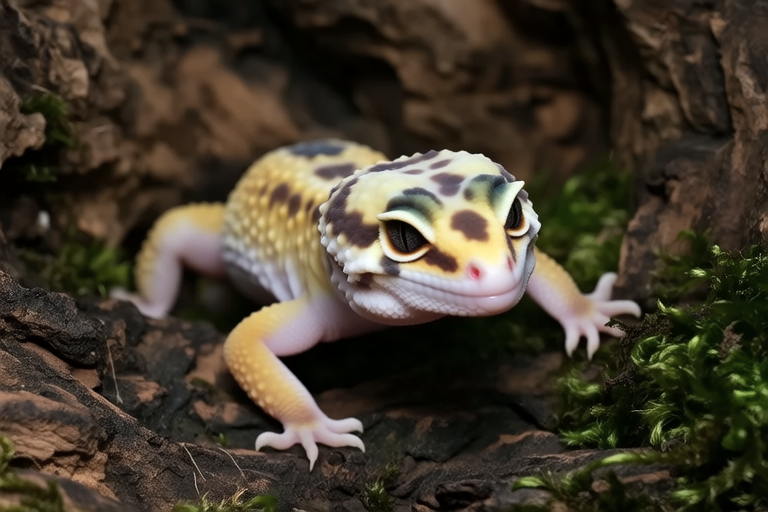
Leopard Gecko Care: Everything You Need to Know for a Happy Pet
Welcome to the wonderful world of leopard geckos! These small, docile creatures have become popular pets due to their ease of care and engaging personalities. This comprehensive guide will cover everything you need to know about leopard gecko care, from setting up their habitat to understanding their dietary needs and providing proper healthcare. Whether you’re a first-time owner or an experienced reptile keeper, this article will equip you with valuable knowledge to ensure your leopard gecko leads a healthy, happy life.
Habitat Setup
Creating a suitable environment for your leopard gecko is crucial for its well-being. Leopard geckos are native to the arid regions of Pakistan and India, so they require a dry, warm habitat. Here’s how to set up their home:
- Terrarium Size: A 20-gallon tank is ideal for one adult leopard gecko, while larger tanks can accommodate multiple geckos.
- Substrate: Use paper towels or reptile carpet for easy cleaning. Avoid loose substrates like sand or gravel, as they can cause impaction.
- Temperature Gradient: Maintain a temperature gradient of 78-90°F (25-32°C) by placing a heat mat or under-tank heater on one side of the tank. The cool end should be around 75-80°F (24-27°C).
- Hiding Spots: Provide multiple hiding spots made from cork bark, half logs, or commercially available shelters. Leopard geckos are nocturnal and prefer darkness during the day.
- Humidity: Keep humidity levels low, around 30-40%. Leopard geckos thrive in dry environments, so avoid misting the enclosure.
- Lighting: Leopard geckos are crepuscular, meaning they are most active at dawn and dusk. They don’t require UVB lighting, but a low-wattage red bulb can be used for night viewing.
Diet Requirements
Leopard geckos are insectivores, meaning their diet consists mainly of insects. A varied diet ensures that your gecko gets all the necessary nutrients:
- Insects: Offer crickets, dubia roaches, mealworms, and waxworms. Dust these insects with a calcium and vitamin D3 supplement before feeding.
- Feeding Frequency: Feed adults every other day, while juveniles may eat daily. Offer as many insects as your gecko can consume in 10-15 minutes.
- Water: Provide a shallow water dish that is large enough for your gecko to soak in. Change the water daily to prevent bacterial growth.
Health Care
Maintaining good health for your leopard gecko involves regular check-ups, proper hygiene, and addressing any potential issues early:
- Veterinary Visits: Schedule annual check-ups with a veterinarian specializing in reptiles. They can perform fecal exams and recommend vaccinations.
- Monitoring: Regularly check your gecko for signs of illness, such as lethargy, loss of appetite, or unusual skin coloration. Early intervention is key to successful treatment.
- Parasite Control: Deworm your gecko annually and treat for external parasites if necessary.
- Environmental Hygiene: Clean the terrarium weekly, removing uneaten food and waste. Disinfect the enclosure monthly with a reptile-safe cleaner.
Behavior and Interaction
Leopard geckos are generally calm and docile, making them excellent pets for handling. However, it’s essential to handle them gently and respect their space:
- Handling: Start by allowing your gecko to get used to your scent. Gently scoop them up with both hands, supporting their body. Avoid squeezing or restraining them tightly.
- Interaction: Spend time observing your gecko in its natural habitat. They enjoy exploring and may become more comfortable with handling over time.
- Socialization: Leopard geckos are solitary animals and do not require companionship. However, some owners keep multiple geckos in separate enclosures for breeding purposes.
Breeding Information
If you’re interested in breeding leopard geckos, there are several important factors to consider:
- Sexing: Males have prominent hemipenal bulges near the vent, while females have two smaller bumps. Experienced keepers can also distinguish males by their larger size and presence of a hemipenal bulge.
- Courtship: Introduce a male and female into a breeding enclosure during the winter months when temperatures are cooler. Separate them after mating has occurred to prevent stress or injury.
- Egg Laying: Females lay eggs approximately 28 days after mating. Provide a nesting box filled with moist vermiculite or perlite. Eggs should be incubated at 88-90°F (31-32°C) for optimal hatching rates.
- Incubation: Incubate the eggs for 40-60 days, depending on the incubation temperature. Cooler temperatures result in longer incubation periods.
Common Problems and Solutions
Despite being relatively hardy pets, leopard geckos can encounter various issues. Here are some common problems and their solutions:
- Metabolic Bone Disease (MBD): Caused by calcium deficiency, MBD weakens bones and causes deformities. Supplement your gecko’s diet with calcium and vitamin D3, and ensure proper UVB exposure.
- Impaction: Occurs when ingested substrate becomes lodged in the digestive tract. Prevent impaction by using appropriate substrate and offering a variety of prey items.
- Respiratory Infections: Signs include wheezing, nasal discharge, and lethargy. Maintain proper humidity levels and consult a veterinarian for treatment.
- Stress: Excessive handling or environmental changes can cause stress. Allow your gecko time to adjust to its surroundings and handle it gently.
Tips for New Owners
Starting out with a leopard gecko? Here are some tips to help you succeed:
- Research: Before bringing your gecko home, thoroughly research its care requirements. Understanding their needs will make you a better owner.
- Patience: Give your gecko time to acclimate to its new environment. Some geckos may be shy initially but will become more comfortable over time.
- Supplies: Stock up on essential supplies, including a tank, substrate, heating equipment, and food. Having everything ready will reduce stress for both you and your gecko.
- Community: Join online forums or local reptile clubs to connect with other owners and share experiences. Learning from others can enhance your knowledge and enjoyment of keeping leopard geckos.
By following these guidelines, you’ll be well-equipped to provide a loving, nurturing environment for your leopard gecko. Remember, each gecko is unique, so pay attention to your pet’s individual needs and preferences. With proper care and attention, your leopard gecko will thrive and bring joy to your home for years to come.
