How Colorful Parrot Fish Are Shaping Coral Reefs Around the World
Introduction to Parrot Fish Species
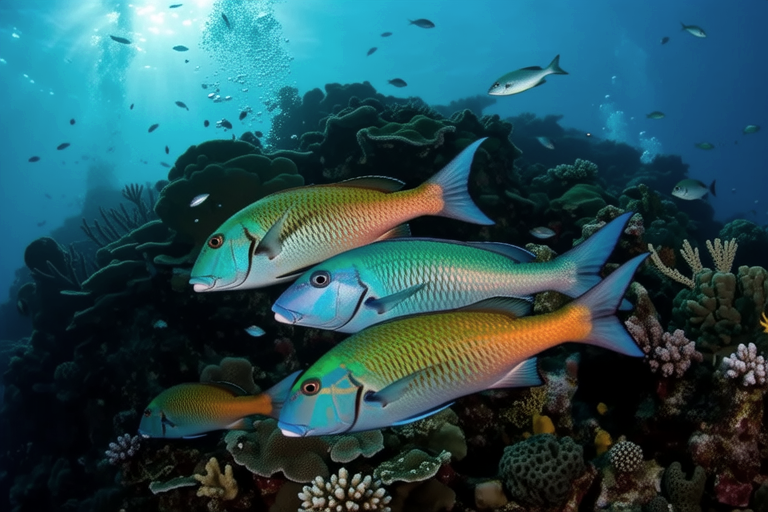
The world’s oceans are home to a dazzling array of marine life, but few creatures capture the imagination quite like the colorful parrot fish. These vibrant denizens of the deep come in a wide spectrum of hues, from electric blues and greens to fiery reds and oranges, making them one of the most visually striking fish species. Their unique physical characteristics include robust jaws equipped with beak-like teeth, which are perfect for scraping algae off hard surfaces. Parrot fish also have thick lips that aid in their feeding process, along with a series of sharp teeth at the back of their throats that help grind up the food they consume.
Parrot fish are found across tropical and subtropical waters, thriving in the warm, clear waters of coral reefs. They belong to the family Labridae and are known for their diverse appearances. Some species can grow quite large, reaching lengths of over a meter, while others remain relatively small. Their namesake comes from their beak-like mouths and bright plumage, which often includes intricate patterns and spots. These features make them not only fascinating to observe but also crucial players in maintaining the health and diversity of coral reefs.
Feeding Habits: Grazing Coral Reefs
One of the most remarkable aspects of parrot fish is their feeding behavior. These fish are herbivores, primarily consuming algae that grow on coral reefs. Using their powerful beaks, they scrape away at the surface of corals, removing the algae that would otherwise smother the delicate polyps. This grazing activity is essential for maintaining the health of the reef, as it prevents the overgrowth of algae that could choke off vital nutrients and light for the coral. The constant grazing ensures that the reef remains a dynamic ecosystem where new growth can flourish.
Parrot fish play a critical role in the bioerosion process, breaking down coral skeletons into tiny particles known as coral sand. This sand is crucial for the formation and maintenance of beaches and lagoons. By contributing to this natural recycling process, parrot fish help to shape the very landscape of the reefs they inhabit. Their feeding habits not only keep the reef clean but also create new habitats for other marine species. This cycle of consumption and excretion contributes to the overall health and resilience of the reef.
Symbiotic Relationship Between Parrot Fish and Coral Reefs
The relationship between parrot fish and coral reefs is one of mutual dependence. Parrot fish rely on the reefs for shelter and food, while the reefs benefit from the fish’s grazing activities. This symbiotic relationship helps maintain the ecological balance of the reef environment. By keeping algae in check, parrot fish prevent the reef from becoming overgrown, ensuring that coral polyps can thrive and reproduce. Additionally, the waste products of parrot fish serve as nutrients for the algae and other microorganisms that form the base of the reef’s food chain.
Parrot fish also contribute to the biodiversity of coral reefs. Their grazing activities promote the growth of different types of coral and other marine organisms, creating a more varied and resilient ecosystem. This diversity is essential for the survival of many species within the reef, including those that depend on specific types of coral for shelter or food. By fostering this rich biodiversity, parrot fish help ensure the long-term health and stability of coral reef systems around the world.
Threats to Parrot Fish Populations
Despite their importance to marine ecosystems, parrot fish face numerous threats that jeopardize their populations. Overfishing is one of the primary concerns, as parrot fish are highly sought after for their delicious meat and vibrant skin. In many parts of the world, fishing practices are unsustainable, leading to significant declines in parrot fish numbers. Additionally, habitat destruction due to coastal development, pollution, and climate change further exacerbates the problem.
The decline of parrot fish populations has far-reaching consequences for marine ecosystems. With fewer parrot fish to control algae growth, reefs become more susceptible to diseases and bleaching events. This can lead to a cascade of effects, impacting not only the reef itself but also the countless species that depend on it for survival. The loss of parrot fish disrupts the delicate balance of the reef ecosystem, potentially leading to its collapse. It is crucial to address these threats to protect both parrot fish and the reefs they call home.
Conservation Efforts and the Future of Coral Reefs
To preserve parrot fish populations and the coral reefs they support, various conservation efforts are underway. Marine protected areas (MPAs) have been established in key regions to safeguard critical habitats and allow parrot fish populations to recover. These protected zones restrict fishing activities, giving parrot fish the space and resources they need to thrive. Additionally, sustainable fishing practices are being promoted to reduce the pressure on parrot fish populations.
Educational campaigns and community engagement programs aim to raise awareness about the importance of parrot fish and the threats they face. By involving local communities in conservation efforts, these initiatives help foster a sense of stewardship for marine ecosystems. Collaboration between governments, non-profit organizations, and local stakeholders is essential to develop comprehensive strategies that address the complex challenges facing parrot fish and coral reefs.
The preservation of parrot fish is not just important for the health of coral reefs; it is vital for the future of our planet. Coral reefs provide numerous benefits, including coastal protection, tourism opportunities, and sources of livelihood for millions of people worldwide. By protecting parrot fish, we are taking a crucial step toward ensuring the sustainability of these invaluable ecosystems. The vibrant parrot fish are not just beautiful creatures; they are vital guardians of the ocean’s most precious landscapes.
In conclusion, the colorful parrot fish are more than just eye-catching attractions in the ocean; they are indispensable contributors to the health and vitality of coral reefs around the world. Through their unique feeding habits and symbiotic relationships with the reefs, parrot fish play a pivotal role in maintaining the ecological balance of these underwater ecosystems. However, threats to their populations highlight the urgent need for conservation efforts. By working together to protect parrot fish, we can help ensure the survival of coral reefs and the countless species that depend on them for generations to come.
