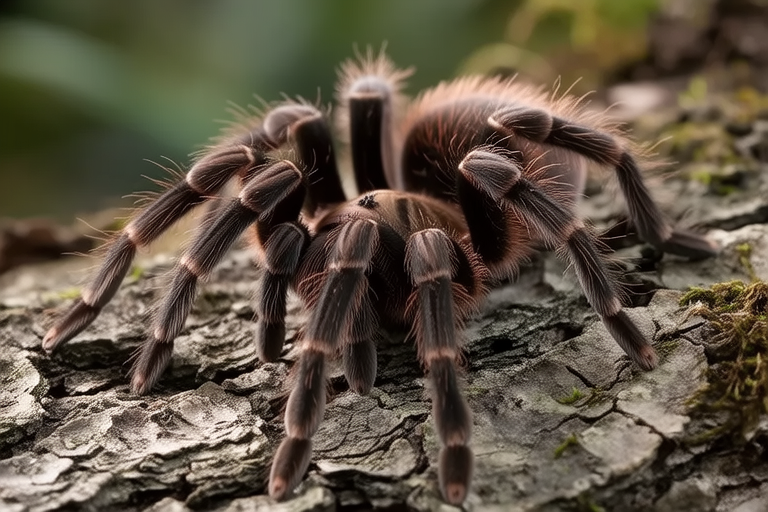
The Surprising Truth Behind Tarantula Care: What Every Owner Should Know
Tarantulas are fascinating creatures that have captured the interest of many as exotic pets. These large, hairy spiders come from various habitats around the world, each with unique needs that must be met to ensure their well-being. This article will delve into the surprising truths behind tarantula care, offering essential facts about their habitat needs, diet, and handling tips. We’ll also debunk common myths and provide insights into selecting appropriate enclosures and substrates. Additionally, we’ll discuss signs of a healthy tarantula and how to spot potential health issues. Finally, we’ll conclude with advice on the commitment required for tarantula ownership, emphasizing responsible pet care.
Habitat Needs
Understanding the natural habitat of tarantulas is crucial for providing them with the right environment. Tarantulas originate from diverse regions such as deserts, rainforests, and grasslands, each requiring specific temperature, humidity, and substrate conditions. For example, desert-dwelling tarantulas thrive in dry environments with temperatures ranging between 75°F and 85°F (24°C to 29°C). In contrast, tropical species prefer higher humidity levels, typically between 60% and 80%, with temperatures around 75°F to 85°F (24°C to 29°C).
Proper ventilation is equally important to prevent mold growth and ensure fresh air circulation. Many tarantula enthusiasts recommend using a mesh top or screen lid for this purpose. Additionally, it’s vital to create hiding spots within the enclosure using cork bark, logs, or other suitable materials. These hideouts mimic natural burrows and crevices, providing security and reducing stress.
Diet and Feeding
Feeding tarantulas can be both simple and complex, depending on the species. Most tarantulas are carnivorous, primarily feeding on insects like crickets, mealworms, and dubia roaches. However, some larger species may require prey items such as small mice or pinky rats. It’s essential to offer appropriately sized prey; too large, and the tarantula might struggle to consume it; too small, and they won’t receive adequate nutrition.
Frequency of feeding varies by age and size. Younger tarantulas generally need more frequent feedings, while adults can go weeks between meals. A common guideline is to feed juvenile tarantulas every 5-7 days and adults once every 2-4 weeks. Always remove uneaten prey after 24 hours to prevent overfeeding and potential injury to the tarantula.
Handling Tips
Handling tarantulas requires patience and caution. While some species are more docile than others, it’s important to remember that all tarantulas possess urticating hairs that can cause irritation if rubbed against skin or eyes. When handling, gently grasp the tarantula by its abdomen using soft, clean tweezers or a foam cup. Avoid touching the legs or body directly, as this can startle the spider and lead to defensive behaviors.
It’s recommended to handle tarantulas only when necessary, such as during enclosure maintenance or transportation. Frequent handling can stress the spider, leading to decreased appetite and activity levels. Always wash your hands before and after handling to avoid transferring oils or chemicals that could harm the tarantula.
Myths vs. Realities
One common myth is that tarantulas are aggressive and dangerous to humans. While tarantulas do possess venom, most species pose little threat to humans. Their bites are comparable to a bee sting, causing mild pain and swelling that subsides within a few hours. Another misconception is that tarantulas don’t require much care. In reality, tarantulas have specific environmental needs and dietary requirements that must be met for optimal health.
Another myth is that tarantulas can survive on a single meal per month. While adult tarantulas can go long periods without eating, they still need regular feedings to maintain their strength and vitality. Overfeeding can lead to obesity, while underfeeding can result in malnutrition.
Selecting Appropriate Enclosures and Substrates
Choosing the right enclosure is critical for tarantula care. The enclosure should be at least three times the length of the tarantula’s leg span, providing ample space for movement and exercise. Glass tanks or plastic containers with secure lids are popular choices, offering visibility and safety.
The substrate used in the enclosure should mimic the tarantula’s natural habitat. Desert species often prefer a sand substrate, while tropical species benefit from coconut fiber or peat moss mixed with soil. The substrate should be deep enough for burrowing, typically 3-4 inches (7.6-10 cm) for smaller species and up to 6 inches (15 cm) for larger ones.
Signs of a Healthy Tarantula
A healthy tarantula exhibits several key indicators. Active movement, regular feeding, and consistent shedding cycles are positive signs. Healthy tarantulas should also display bright colors and patterns, especially in their legs and abdomens. Regular molting is another sign of good health, occurring approximately every 6-12 months for adults.
Potential health issues include regurgitation, refusal to eat, lethargy, and unusual behavior. Regurgitation, where the tarantula vomits up its last meal, can indicate illness or stress. Refusal to eat may signal underlying health problems or environmental issues. Lethargy and unusual behavior, such as excessive hiding or lack of movement, warrant further investigation.
The Commitment Required for Tarantula Ownership
Owning a tarantula requires a significant commitment. Tarantulas can live for 10-30 years, depending on the species, making them long-term companions. Proper care involves regular monitoring of temperature, humidity, and substrate moisture. Owners must also commit to providing a balanced diet and maintaining a clean, safe environment.
Responsible pet care includes educating oneself about the specific needs of the chosen species and being prepared for unexpected challenges. Tarantulas are not for everyone; they require patience, dedication, and a willingness to learn. By understanding the commitment involved, potential owners can make informed decisions about whether tarantulas are the right pet for them.
