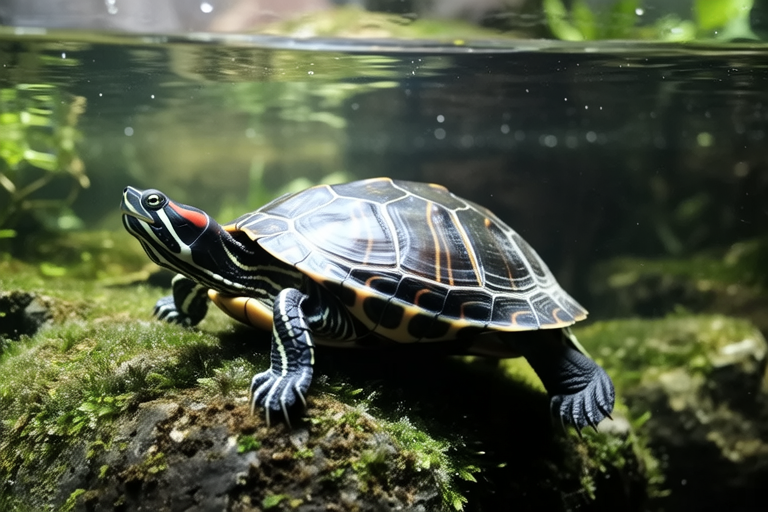
Top Secrets for Thriving Red-Eared Slider Turtle Care at Home
Red-eared slider turtles (Trachemys scripta elegans) are among the most popular pet reptiles, known for their distinctive red stripes behind each eye and their hardy nature. However, thriving as pets requires more than just providing them with a tank and some food. This comprehensive guide will walk you through the essential aspects of caring for your red-eared slider turtles at home.
Habitat Setup: Creating a Comfortable Home
The first step in providing optimal care for your red-eared slider is setting up an appropriate habitat. Turtles are semi-aquatic, meaning they spend part of their time in the water and part of it basking out of the water. Therefore, their enclosure must accommodate both aquatic and terrestrial areas.
Size Matters: A general rule of thumb is that for every inch of shell length, you need ten gallons of water. For example, a fully grown red-eared slider can reach up to 12 inches, so it would require at least 120 gallons of water. The size of the tank or pond is crucial for their well-being.
Aquatic Area: Ensure the water is deep enough for your turtle to swim comfortably. Incorporate ramps or rocks for easy access to the basking area. Filtered water is essential to maintain cleanliness and prevent the buildup of harmful bacteria.
Basking Area: A dry, warm area where your turtle can bask under a UVB light is equally important. Use a large flat rock or a specially designed basking platform. Ensure the basking area is easily accessible from the water.
Water Quality Maintenance: Keeping It Clean
Water quality is critical for the health of your red-eared slider. Poor water conditions can lead to infections and other health issues. Here’s how to keep the water clean:
Filtration: Invest in a good-quality filter that is appropriate for the size of your tank. Regularly clean the filter and replace parts as recommended by the manufacturer.
Water Changes: Perform partial water changes weekly, removing about 20% of the water and replacing it with fresh, dechlorinated water. This helps maintain water quality and reduces the load on the filtration system.
Testing Water Parameters: Test the water regularly for pH levels, ammonia, nitrite, and nitrate. These parameters should be within safe ranges for turtles.
Diet Specifics: Feeding Your Turtle Right
Proper nutrition is vital for the growth and overall health of your red-eared slider. Their diet should consist of a balanced mix of proteins, vegetables, and occasional fruits.
Protein Sources: Feed your turtle high-quality commercial turtle pellets, which provide balanced nutrition. Supplement with live foods like crickets, earthworms, and occasional feeder fish. Ensure these are gut-loaded or dusted with calcium powder before feeding.
Vegetables and Fruits: Offer leafy greens such as romaine lettuce, kale, and dandelion greens. Occasional treats of berries or melon can be offered but should not form a significant part of their diet.
Calcium and Vitamin D3: Ensure your turtle gets adequate calcium and vitamin D3. This can be achieved through supplements and exposure to UVB lighting.
Basking Needs: Importance of Sunlight
Basking is a crucial activity for red-eared sliders. It allows them to regulate their body temperature, digest food, and metabolize vitamin D3, which aids in calcium absorption.
UVB Lighting: Use a full-spectrum UVB light that provides the necessary wavelengths for vitamin D3 synthesis. Replace the bulbs every six months as UV output diminishes over time.
Temperature Control: Maintain the basking area at around 85-90°F (29-32°C). Use a heat lamp or ceramic heater to achieve this temperature. Always monitor the temperature with a reliable thermometer.
Health Monitoring: Keeping an Eye on Your Pet
Regular health checks can help catch potential issues early, ensuring your turtle remains healthy. Here’s what to look out for:
Shell Condition: Inspect the shell regularly for any signs of soft spots, discoloration, or irregularities. These could indicate underlying health issues.
Behavioral Changes: Sudden changes in appetite, activity level, or swimming patterns can be indicative of illness. Monitor your turtle’s behavior closely.
Annual Vet Checkups: Schedule annual checkups with a veterinarian who specializes in reptiles. They can perform a thorough examination and recommend any necessary treatments.
Common Pitfalls to Avoid
While red-eared sliders are relatively hardy, there are several common mistakes that can lead to health problems. Here’s how to avoid them:
Overfeeding: Feed your turtle only as much as it can eat in five minutes, once or twice a week. Overfeeding can lead to obesity and digestive issues.
Inadequate Filtration: Underpowered filters can lead to poor water quality, causing respiratory and skin infections. Choose a filter based on the size of your turtle and its tank.
Lack of UVB Exposure: Without sufficient UVB light, your turtle may develop metabolic bone disease due to a lack of vitamin D3.
Conclusion: Understanding Unique Requirements
Caring for red-eared slider turtles involves understanding their unique needs and providing an environment that mimics their natural habitat. By setting up a suitable habitat, maintaining water quality, providing a balanced diet, ensuring proper basking conditions, and monitoring health regularly, you can ensure your turtle thrives at home. Remember, every turtle is different, so observe your pet closely and adjust care practices accordingly. With the right knowledge and dedication, you can provide a happy and healthy life for your red-eared slider turtle.
