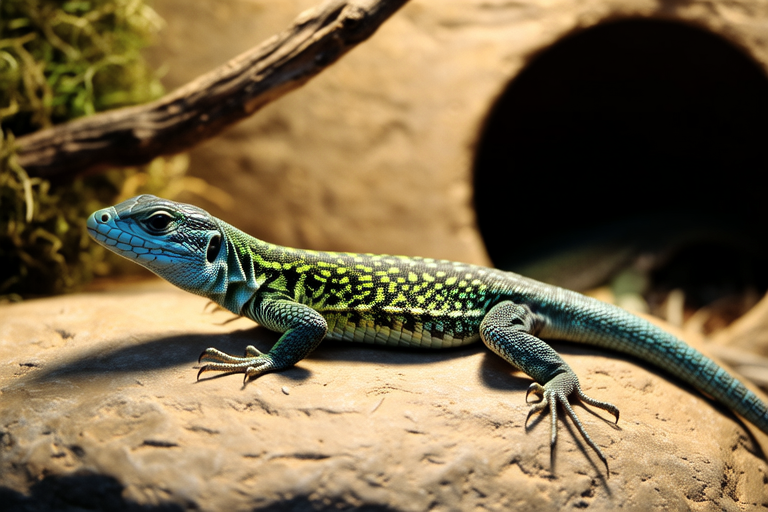
Behind the Feathers: Caring for Your Splendid Japalure at Home
Welcome to the vibrant world of Japalura care! Known for their stunning plumage and delightful personalities, these exotic birds have captured the hearts of many avian enthusiasts. Whether you’re a seasoned bird owner or a first-time pet parent, understanding the unique needs of your Japalura will ensure a healthy and joyful companionship. This guide will walk you through the essentials of caring for your splendid Japalure at home, from diet and housing to grooming and health.
The Unique Charm of Japaluras
Japaluras, also known as Javan Green Magpies, are native to Indonesia and are celebrated for their striking appearance. With their emerald green feathers and bright red beaks, they are truly a sight to behold. Their intelligence and sociability make them excellent pets, capable of forming strong bonds with their human caretakers. These birds are curious and playful, always eager to explore their surroundings. However, their natural instincts can lead to destructive behaviors if not properly managed.
Dietary Needs: Balancing Nutrition and Favorites
A well-balanced diet is crucial for maintaining your Japalura’s health and vitality. Their diet should consist of a mix of commercial bird pellets, fresh fruits, vegetables, and occasional insects. Pellets provide essential vitamins and minerals, while fruits and vegetables offer necessary fiber and antioxidants. Apples, bananas, carrots, and leafy greens are popular choices that most Japaluras enjoy. Avoid feeding them avocado, chocolate, caffeine, or alcohol, as these can be toxic.
Protein-rich foods like mealworms or crickets can be offered as treats but should not constitute a significant portion of their diet. Ensure that all food is fresh and clean, and remove any uneaten portions to prevent spoilage. A varied diet not only keeps your Japalura healthy but also satisfies their natural foraging instincts.
Housing Requirements: Creating a Comfortable Environment
Your Japalura needs a spacious and secure cage that allows ample room for movement and exercise. The minimum recommended size is 3 feet wide, 2 feet deep, and 4 feet high. Larger cages are preferable as they provide more space for flying and playing. The cage should be equipped with perches of varying diameters to keep their feet healthy and strong.
Bedding materials should be non-toxic and easy to clean. Aspen shavings or recycled paper products are good options. Avoid cedar and pine shavings, as they can irritate your bird’s respiratory system. Providing environmental enrichment such as toys, swings, and climbing structures helps stimulate your Japalura mentally and physically. Rotate toys periodically to maintain their interest and prevent boredom.
Grooming and Hygiene Practices
Regular grooming is essential for keeping your Japalura’s feathers in top condition. Feather care involves gentle brushing to remove dust and loose feathers, promoting healthy growth. Use a soft-bristled brush designed for birds. Be cautious around sensitive areas like the head and tail.
Nail trimming is another important aspect of grooming. Overgrown nails can cause discomfort and difficulty in walking. Trim nails every few weeks, ensuring not to cut too close to the quick, which can cause bleeding. If unsure, consult a veterinarian or a professional groomer.
Social and Behavioral Aspects
Handling your Japalura requires patience and consistency. Approach them calmly and gently, speaking softly to reassure them. Regular interaction builds trust and strengthens the bond between you and your bird. Training sessions can include simple commands like “step up” and “come here,” rewarding positive behavior with praise or treats.
Understanding your Japalura’s vocalizations can enhance communication. They may chirp, whistle, or mimic sounds they hear around them. Pay attention to changes in their vocal patterns, as these can indicate shifts in mood or health. Providing a stimulating environment and plenty of social interaction helps prevent behavioral issues such as aggression or excessive screaming.
Common Health Issues and Veterinary Care
Like all pets, Japaluras can develop health issues. Common problems include feather plucking, respiratory infections, and obesity. Feather plucking can result from stress, boredom, or skin irritation. Addressing the underlying cause is key to resolving this issue. Respiratory infections may manifest as wheezing, sneezing, or nasal discharge. Obesity can be prevented by maintaining a balanced diet and encouraging physical activity.
Signs of illness include lethargy, loss of appetite, diarrhea, or abnormal droppings. If you notice any of these symptoms, it’s best to consult a veterinarian specializing in avian medicine. Early intervention can often prevent more serious complications. Regular check-ups are advisable to monitor your bird’s overall health and address any concerns promptly.
In conclusion, caring for your Japalura is a rewarding endeavor that requires dedication and knowledge. By providing a nutritious diet, a comfortable living environment, proper grooming, and attentive care, you can ensure your splendid Japalura thrives and enjoys a long, happy life. Embrace the joy of sharing your home with this magnificent creature and cherish the unique bond you share.
