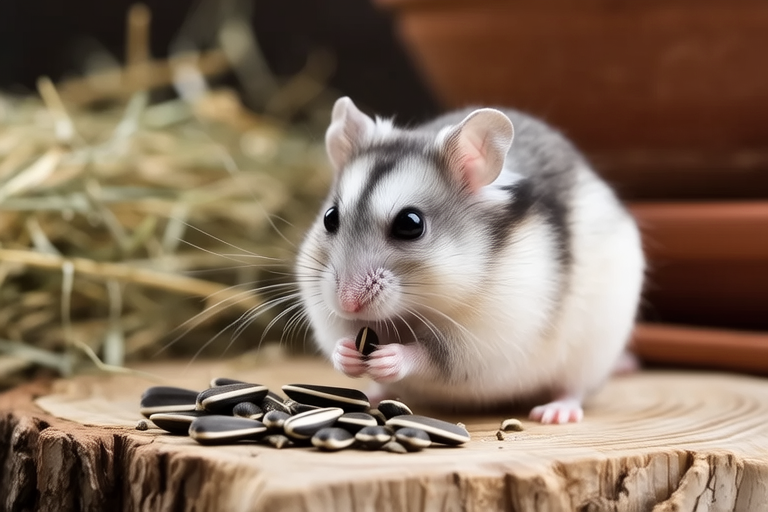
The Ultimate Guide to Keeping Your Roborovski Hamster Happy and Healthy!
Roborovski hamsters, also known as desert hamsters, are one of the smallest hamster species and are cherished for their tiny size, high energy, and unique behaviors. As a responsible pet owner, it’s important to understand the specific needs of these delightful creatures to ensure they lead healthy and happy lives. This comprehensive guide covers all essential aspects of care for Roborovski hamsters, from housing and diet to exercise, hygiene, social interaction, potential health issues, and enrichment activities.
Proper Housing
Adequate housing is crucial for the well-being of your Roborovski hamster. These tiny creatures require a spacious cage that allows them to run around and explore comfortably. A minimum cage size of 24 inches long, 18 inches wide, and 12 inches tall is recommended. However, bigger is always better, especially if you have more than one hamster. Roborovskis are highly active, so providing ample space will help prevent stress and obesity.
Selecting the right bedding is another important aspect of housing. Opt for soft, dust-free bedding such as paper-based bedding or aspen shavings. Avoid pine and cedar shavings, as they can irritate your hamster’s respiratory system. Additionally, provide nesting material like shredded paper or tissue to encourage natural burrowing behavior.
Toys and accessories play a significant role in enriching your hamster’s environment. Include a running wheel, tunnels, and chew toys to stimulate mental and physical activity. Ensure the running wheel has a solid surface to prevent injury to your hamster’s feet. It’s also advisable to place the cage away from direct sunlight and drafts to maintain a stable temperature, which is essential for their comfort.
Diet Specifics
Roborovski hamsters have specific dietary requirements to stay healthy. Their diet should consist primarily of high-quality hamster food, which can be found at most pet stores. This food is formulated to meet the nutritional needs of small rodents and typically includes a mix of seeds, grains, and pellets.
In addition to commercial hamster food, you can supplement their diet with fresh vegetables and fruits. Offer small amounts of carrot, broccoli, apple, and banana. Introduce new foods gradually to monitor for any adverse reactions. Ensure that fresh water is always available in a sipper bottle attached securely to the side of the cage.
It’s important to avoid feeding your hamster certain foods that could be harmful. These include chocolate, caffeine, avocado, and sugary treats. A balanced diet, combined with fresh water, will support your hamster’s overall health and longevity.
Exercise Needs
Roborovski hamsters are very active and need plenty of opportunities for exercise. Providing a running wheel is essential, but it should not be the only form of exercise. Encourage exploration and play by setting up a safe area outside the cage for supervised playtime. Use a hamster ball for supervised exploration in a secure room.
Ensure the cage itself provides ample opportunities for climbing and tunneling. Incorporate ramps, bridges, and tubes to create an obstacle course within the cage. This will not only keep your hamster physically fit but also mentally stimulated. Regular exercise helps prevent obesity and other health issues associated with a sedentary lifestyle.
Hygiene Practices
Maintaining good hygiene is vital for the health of your Roborovski hamster. Clean the cage thoroughly at least once a week, removing all soiled bedding and replacing it with fresh material. Wipe down the cage and its accessories with a mild, pet-safe disinfectant to remove bacteria and odors.
Regularly check your hamster for signs of illness, such as discharge from the eyes or nose, lethargy, or changes in appetite or bathroom habits. Keep the bedding clean and dry, as dampness can lead to respiratory problems. Additionally, trim your hamster’s nails every few weeks if necessary, and consult a veterinarian for guidance.
Social Interaction Considerations
Roborovski hamsters are generally solitary animals and prefer living alone. They can become aggressive when housed with others, leading to injuries or even death. If you have multiple hamsters, it’s best to keep them in separate cages. However, if you wish to introduce a second hamster, do so gradually under supervision and monitor for signs of aggression.
Despite their solitary nature, Roborovski hamsters enjoy interacting with their human companions. Spend time handling and playing with your hamster daily to build trust and strengthen the bond between you. Be gentle and patient, as these tiny creatures can be skittish.
Potential Health Issues
Like any pet, Roborovski hamsters can develop various health issues. Common conditions include dental problems, respiratory infections, and digestive issues. Regular veterinary check-ups are essential to catch any potential health problems early. Signs of illness may include loss of appetite, weight loss, lethargy, or difficulty breathing.
Preventative care, such as a balanced diet, regular exercise, and a clean living environment, can help reduce the risk of many health issues. Consult a veterinarian if you notice any unusual symptoms or changes in behavior. Early intervention is key to ensuring your hamster remains healthy and happy.
Tips for Enrichment Activities
Providing mental and physical stimulation is crucial for keeping your Roborovski hamster engaged and content. Rotate toys and accessories periodically to prevent boredom. Hide treats in various locations within the cage to encourage foraging behavior, which is a natural activity for these animals.
Create a play area outside the cage with safe materials like cardboard boxes, tunnels, and tubes. Rotate these items regularly to keep things interesting. You can also offer puzzle feeders that challenge your hamster to work for their food, promoting cognitive engagement.
Finally, spend time each day interacting with your hamster through gentle handling and play. This not only strengthens your bond but also provides valuable social interaction. Always supervise your hamster during playtime to ensure their safety.
Conclusion
By understanding and meeting the specific needs of your Roborovski hamster, you can ensure they live a long, healthy, and happy life. Proper housing, diet, exercise, hygiene, social interaction, and enrichment activities are all critical components of their care. With this comprehensive guide, you’re well-equipped to provide the best possible environment for your tiny companion. Remember, a happy hamster is a healthy hamster!
