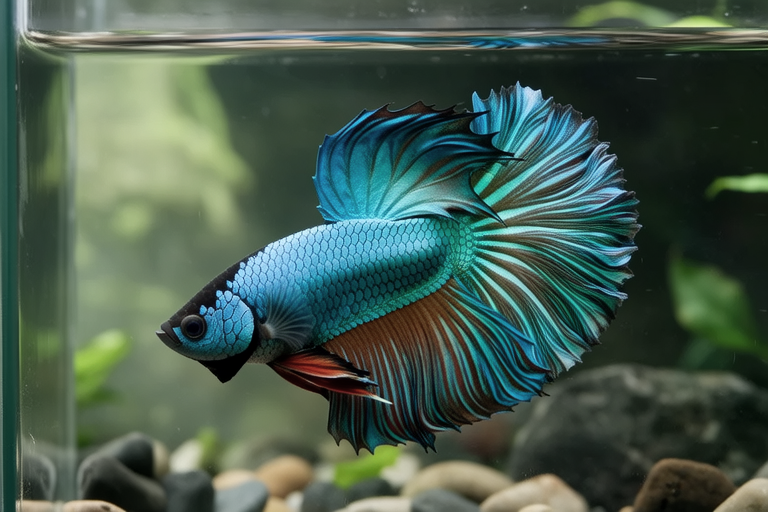
Bet You Didn’t Know These Fun Facts About Betta Fish That Will Surprise You
Welcome, fellow aquarists! Today, we’re diving into the fascinating world of betta fish, those vibrant, finned jewels that grace many aquariums. Whether you’re a seasoned enthusiast or a newcomer to the hobby, there’s always more to learn about these captivating creatures. Prepare to be amazed by some surprising, lesser-known facts about betta fish, from their natural habitat to their unique physical adaptations. Let’s get started!
The Natural Habitat of Betta Fish: A Tropical Paradise
First off, let’s explore where bettas come from. Native to the tropical regions of Southeast Asia, specifically Thailand, Cambodia, Vietnam, and parts of Malaysia, betta fish thrive in warm, shallow waters like rice paddies, slow-moving streams, and stagnant ponds. Contrary to popular belief, bettas aren’t naturally solitary fish. In their native environment, they often live in close proximity to other fish species. This means your betta might appreciate the company of compatible tank mates.
Betta Behavior: The Hidden Personality
One of the most intriguing aspects of betta fish is their behavior. Known for their aggressive tendencies, bettas are particularly territorial when it comes to males. However, did you know that this aggression can be mitigated with proper tank setup? Providing ample hiding spots, such as caves or plants, can help reduce stress and minimize conflicts. Additionally, bettas exhibit fascinating courtship behaviors. Males create bubblenests to attract females and protect their offspring, showcasing their nurturing side.
Lifespan and Growth: A Long Journey
Many people underestimate the longevity of betta fish. With proper care, these beautiful creatures can live up to three years or even longer. To ensure your betta enjoys a long, healthy life, it’s crucial to provide optimal living conditions. This includes maintaining clean water, feeding them a balanced diet, and avoiding overcrowded tanks. Regular water changes and monitoring water parameters are key to preventing common health issues that can shorten a betta’s lifespan.
Dietary Needs: Beyond Flakes
Betta fish are carnivorous by nature, meaning their diet should primarily consist of meat-based foods. While flake food is convenient, it’s essential to offer a variety of high-protein options to meet their nutritional requirements. Live or frozen foods, such as bloodworms, brine shrimp, and daphnia, are excellent choices. Additionally, consider incorporating freeze-dried foods into their diet to ensure a balanced nutrition profile. Remember, overfeeding can lead to health problems, so feed your betta small portions twice daily.
Unique Physical Adaptations: Tail and Gills
Betta fish possess several remarkable physical features that set them apart from other aquatic species. Their iconic fins, especially the tail (caudal fin), are not only beautiful but also serve important functions. These fins help bettas navigate through tight spaces and display during courtship. Moreover, bettas have a labyrinth organ, a specialized structure that allows them to breathe air directly from the surface. This adaptation enables them to survive in low-oxygen environments, making them quite resilient in certain conditions.
Tank Setup Tips: Creating a Perfect Home
Now that you’re familiar with some fascinating betta facts, let’s discuss how to create an ideal tank setup. Betta fish require at least two gallons of water per fish, so a five-gallon tank is a good starting point for a single betta. Use a filtration system to maintain water quality, but avoid overly strong currents that could stress your betta. Decorate the tank with plants, rocks, and driftwood to mimic their natural habitat and provide hiding spots. Lastly, ensure the water temperature stays between 76-82°F (24-28°C) and maintain a pH level between 6.5 and 7.5.
Health Care: Keeping Your Betta Happy and Healthy
Maintaining a healthy betta requires regular attention to their environment and diet. Monitor water quality closely, performing partial water changes weekly to prevent the buildup of toxins. Signs of poor health include lethargy, loss of appetite, fin damage, or unusual behavior. If you notice any of these symptoms, consult a veterinarian specializing in exotic pets for advice. Early intervention can make all the difference in treating common betta ailments like fin rot, ich, and swim bladder disorders.
Training and Interaction: Bonding with Your Betta
Did you know that betta fish can be trained? With patience and consistency, you can teach your betta to recognize you, accept food from your hand, or perform tricks. Start by placing your finger near the tank’s edge and offering treats. Gradually move closer until your betta feels comfortable enough to take food directly from your hand. This interactive approach not only strengthens the bond between you and your pet but also stimulates their mental well-being.
Creative Tank Themes: Personalizing Your Aquarium
Finally, let’s talk about creating a personalized tank theme. Betta fish look stunning against various backgrounds, from vibrant coral reefs to serene underwater gardens. Choose decorations that complement your betta’s color and fin type. For instance, if your betta has long, flowing fins, consider adding soft, flowing plants to enhance its elegance. Alternatively, opt for bold, geometric patterns if your betta has shorter fins. Don’t forget to incorporate lighting to highlight your betta’s beauty and create a visually appealing atmosphere.
In conclusion, betta fish are truly remarkable creatures with fascinating histories, behaviors, and physical traits. By understanding their natural habitat, dietary needs, and unique adaptations, you can provide the best possible care for these enchanting fish. Remember, a well-informed owner is a happy owner, and a happy owner leads to a thriving betta. So dive deeper into the world of betta fish, and enjoy the rewarding experience of caring for one of nature’s most captivating creations.
