7 Clever Reasons Why Clownfish Make Unique Aquarium Pets
Clownfish have captured the hearts of aquarium enthusiasts worldwide, thanks to their vibrant colors and engaging personalities. These small, yet fascinating creatures offer more than just aesthetic appeal; they bring a unique dynamic to any home aquarium. This article delves into seven clever reasons why clownfish make such exceptional pets, covering everything from their behavior and symbiotic relationships to their low maintenance requirements and adaptability.
1. Scientifically Fascinating Behavior
One of the most captivating aspects of clownfish is their scientifically fascinating behavior. Clownfish, belonging to the genus Amphiprion, exhibit complex social structures within their schools. They communicate through a series of intricate behaviors that include chasing, biting, and fin flicking. These interactions help establish a hierarchy among the group, ensuring order and cooperation. In captivity, observing these behaviors can provide hours of entertainment for aquarium owners, as well as insights into marine life.
Moreover, clownfish are known for their ability to change sex. In the wild, they live in groups where the largest individual is typically female, while the second-largest is male. If the female dies, the male can change sex and become the new dominant female. This phenomenon, known as sequential hermaphroditism, adds another layer of intrigue to their lives. Understanding this process can deepen one’s appreciation for these fish and their remarkable adaptability.
2. Symbiotic Relationship with Sea Anemones
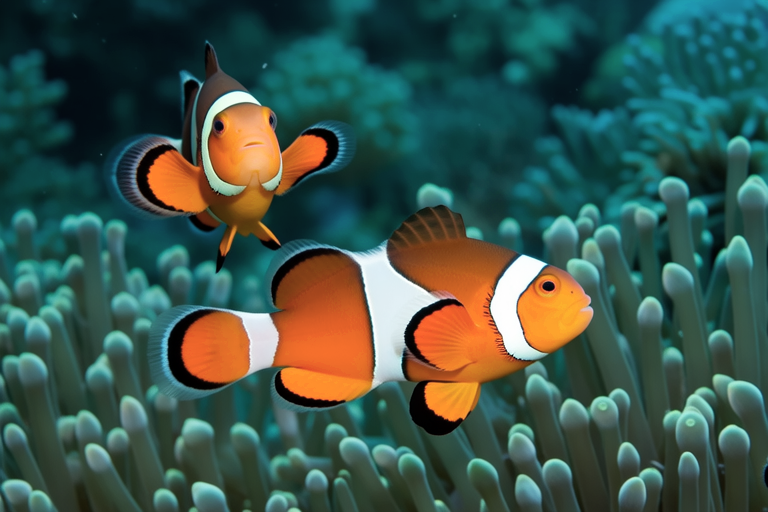
Perhaps the most iconic feature of clownfish is their symbiotic relationship with sea anemones. This mutualistic partnership has fascinated biologists and aquarium enthusiasts alike. The clownfish benefits from the protection provided by the anemone’s stinging tentacles, which deter predators. In return, the clownfish helps the anemone by attracting prey and removing parasites.
The relationship between clownfish and sea anemones is a prime example of interspecies cooperation in nature. In captivity, this relationship can be replicated, creating a visually stunning and educational display. Many aquarium owners choose to keep both clownfish and sea anemones together, showcasing the beauty and complexity of marine ecosystems. However, it’s important to note that not all clownfish species require anemones, and some can thrive without them.
3. Low Maintenance Requirements
For both novice and experienced aquarium enthusiasts, one of the biggest draws of clownfish is their relatively low maintenance requirements. These fish are hardy and adaptable, making them ideal for beginners who may not have extensive experience with marine life. They are less sensitive to water parameters compared to many other saltwater fish, allowing for a wider margin of error when it comes to maintaining optimal conditions.
Clownfish also have a robust appetite, feeding on a variety of foods including flakes, pellets, and frozen or live foods like brine shrimp. Their diet is diverse, which means they are less likely to be picky eaters. Additionally, clownfish are generally disease-resistant, reducing the likelihood of health issues in the aquarium. These factors combine to create a low-maintenance pet that still offers a high level of engagement and enjoyment.
4. Vibrant Colors and Attractive Appearance
One of the primary reasons why clownfish are so popular as aquarium pets is their vibrant colors and attractive appearance. These fish come in a wide range of hues, from the classic orange and white stripes of the common clownfish (Amphiprion ocellaris) to the electric blue and white of the percula clownfish (Amphiprion percula). Each species has its own distinct pattern, adding visual interest to any aquarium.
Their striking coloration serves multiple purposes in the wild. It helps them blend in with their anemone hosts, providing camouflage from potential predators. In captivity, these colors make them stand out as beautiful additions to any tank. The variety of colors and patterns available ensures that there is a clownfish to suit every taste, making them a versatile choice for aquarium decor.
5. Adaptability to Various Tank Sizes
Another advantage of keeping clownfish is their adaptability to various tank sizes. While larger tanks are always preferable for any aquatic life, clownfish can thrive in smaller environments as well. A tank of at least 20 gallons is recommended for a single pair of clownfish, but they can also do well in slightly smaller setups if certain conditions are met.
Smaller tanks require more frequent water changes and careful monitoring of water quality, but with proper care, clownfish can adapt to these conditions. This adaptability makes them an excellent choice for those with limited space, as well as for those looking to start with a smaller setup before moving on to larger tanks. Regardless of the tank size, providing plenty of hiding spots and open swimming areas will ensure the happiness and health of your clownfish.
6. Compatibility with Other Fish Species
Clownfish are generally peaceful and can coexist with a wide variety of other fish species. Their non-aggressive nature makes them ideal tank mates for many other saltwater fish. However, it’s important to consider the specific needs and temperaments of each species when planning a community tank.
Some good tank mates for clownfish include damselfish, tangs, and wrasses. These fish share similar water parameter requirements and are generally non-aggressive. It’s crucial to avoid overly aggressive or territorial species that might bully or harm the clownfish. Additionally, clownfish are known to be somewhat territorial within their own species, so it’s best to keep only one pair in a tank unless it’s large enough to accommodate multiple pairs with adequate space.
7. Engaging Personalities
Finally, one of the most endearing qualities of clownfish is their engaging personalities. These fish are curious and playful, often interacting with their surroundings and each other in interesting ways. Observing their daily routines, such as feeding times and cleaning behaviors, can provide hours of entertainment for aquarium owners.
In addition to their natural behaviors, clownfish can also become accustomed to human presence, sometimes even responding to gentle tapping on the glass or waving hands. This level of interaction adds a personal touch to keeping these fish, making them feel like true companions rather than just another pet. Their engaging personalities make them a joy to watch and care for, enhancing the overall aquarium experience.
Conclusion
Clownfish are truly unique aquarium pets, offering a combination of scientific fascination, vibrant colors, and engaging personalities. From their complex social behaviors and symbiotic relationships with sea anemones to their low maintenance requirements and adaptability to various tank sizes, these fish provide endless opportunities for learning and enjoyment. Whether you’re a novice or an experienced aquarium enthusiast, clownfish are sure to bring a special charm to your underwater world.
