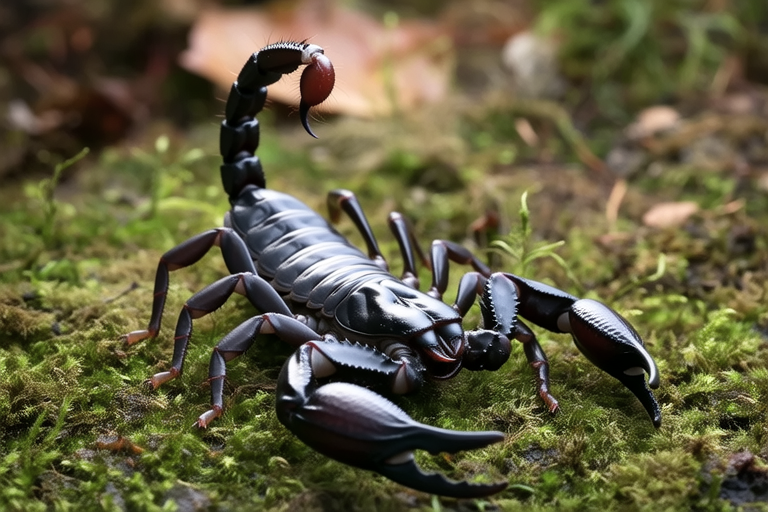
Pet Owner’s Guide: Caring for Your Unique Heterometrus Spinifer Scorpion
Welcome to the world of exotic pets! If you’re considering adopting a Heterometrus spinifer scorpion, also known as the Indian forest scorpion, you’ve chosen a fascinating and unique creature. This guide will provide you with comprehensive information on how to care for your scorpion, ensuring it thrives in its new home. From setting up the perfect habitat to understanding dietary needs and handling safety, we’ve got you covered.
Habitat Setup
The first step in providing a suitable environment for your Heterometrus spinifer is creating a habitat that mimics its natural environment. These scorpions are native to tropical and subtropical regions of India, where they live in moist, humid conditions.
Enclosure: A glass terrarium or aquarium with a secure lid is ideal. The enclosure should be at least three times the length of the scorpion and twice its width. For an adult Heterometrus spinifer, a 10-gallon tank is sufficient. Ensure there are ventilation holes for proper air circulation.
Substrate: Use a mixture of coconut fiber and peat moss for the substrate. This combination retains moisture well and provides the necessary humidity level. Keep the substrate damp but not soggy.
Hiding Spots: Provide several hiding spots made from cork bark, hollow logs, or commercially available reptile caves. These scorpions are nocturnal and prefer dark, secluded areas.
Temperature and Humidity: Maintain a temperature range of 75-85°F (24-29°C) during the day, with a slight drop at night. Use a hygrometer to monitor humidity levels, which should be kept between 70% and 90%. A heat mat placed under one side of the enclosure can help regulate temperature.
Dietary Needs
Heterometrus spinifer scorpions are carnivorous and require a varied diet to ensure optimal health. Their diet should consist mainly of live insects, such as crickets, mealworms, and dubia roaches.
Feeding Frequency: Feed your scorpion once every 1-2 weeks. Younger scorpions may need more frequent feedings. Always offer food items that are smaller than the width of the scorpion’s body to prevent injury.
Supplementation: Occasionally dust the feeder insects with a calcium supplement to ensure your scorpion gets all the nutrients it needs.
Handling and Safety Tips
Handling your Heterometrus spinifer should be done with extreme caution. These scorpions have potent venom, though it is generally not life-threatening to humans. However, their sting can cause severe pain, swelling, and potential allergic reactions.
Protective Gear: Always wear thick gloves and long sleeves when handling your scorpion. It’s also advisable to have a pair of forceps or tongs to move the scorpion gently without direct contact.
Minimize Handling: Handle your scorpion only when absolutely necessary. Frequent handling can stress the animal and increase the risk of injury to both the handler and the scorpion.
Health Concerns
Regular monitoring of your scorpion’s behavior and appearance is crucial to maintaining its health. Some common health issues include dehydration, mite infestations, and improper shedding.
Dehydration: Signs of dehydration include wrinkled skin and lethargy. Ensure the substrate remains damp and provide a shallow water dish filled with dechlorinated water.
Mites: Mites can infest the enclosure and cause discomfort to your scorpion. Regular cleaning and disinfecting of the habitat can prevent mite infestations.
Improper Shedding: Scorpions shed their exoskeleton periodically. During molting, the scorpion is vulnerable and should not be disturbed. If you notice any issues with shedding, consult a veterinarian who specializes in exotic animals.
Common Myths About Keeping Heterometrus Spinifer Scorpions
There are many misconceptions surrounding the care and ownership of Heterometrus spinifer scorpions. Let’s address some of these myths:
Myth 1: Scorpions Don’t Need Water: While Heterometrus spinifer can survive for extended periods without drinking, providing fresh water is essential for their overall health.
Myth 2: All Scorpions Are Deadly: Although Heterometrus spinifer has potent venom, it is not considered deadly to humans. However, their sting can cause significant pain and other symptoms.
Myth 3: Scorpions Don’t Require Social Interaction: Scorpions are solitary creatures and do not require social interaction. Keeping multiple scorpions in the same enclosure can lead to aggressive behavior and injuries.
Responsibilities of Ownership
Owning a Heterometrus spinifer scorpion comes with significant responsibilities. You must commit to providing a safe, comfortable environment, regular feeding, and routine maintenance of the enclosure.
Before bringing a scorpion into your home, consider whether you can meet these responsibilities. Research thoroughly and understand the commitment involved. If you are unsure, consult with experienced keepers or professionals in the field.
Conclusion
Caring for a Heterometrus spinifer scorpion can be a rewarding experience if you are prepared for the challenges involved. By following the guidelines outlined in this guide, you can ensure your scorpion lives a healthy, happy life. Remember, owning an exotic pet like a scorpion requires dedication and a deep understanding of its specific needs. With the right care, your Heterometrus spinifer will thrive in its new home.
