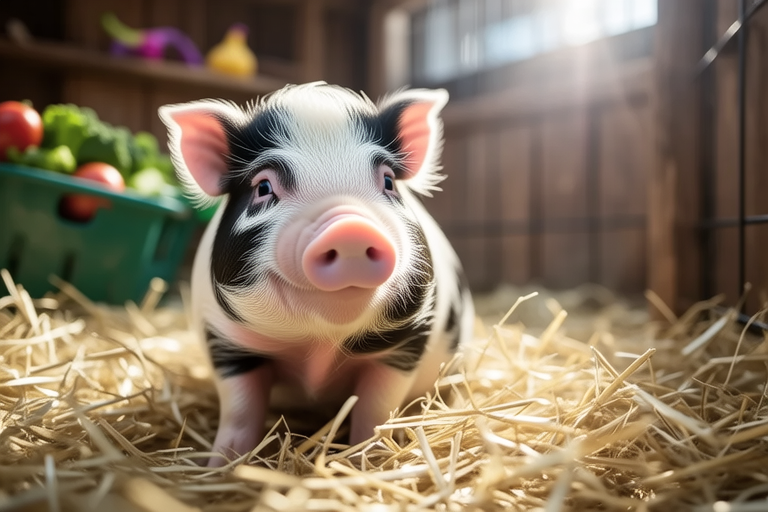
From Playful to Quiet: Understanding Your Guinea Pig’s Behavior Changes
Guinea pigs have become increasingly popular pets due to their sociable and playful nature. These charming rodents, also known as cavies, offer companionship and entertainment with their quirky behaviors and affectionate mannerisms. As a responsible pet owner, it is essential to understand the typical behaviors of a healthy guinea pig and recognize when there might be changes in their demeanor that warrant attention.
The Playful Nature of Healthy Guinea Pigs
Healthy guinea pigs are generally active and curious creatures, always exploring their surroundings with enthusiasm. They exhibit a variety of behaviors that make them delightful companions. One of the most endearing aspects of their behavior is their playfulness. Guinea pigs often engage in activities such as running around their enclosure, chasing toys, and even performing cute little leaps called “popcorning” when they are excited. This energetic behavior is a sign of good health and happiness.
Vocalizations are another important aspect of guinea pig communication. These small animals are quite vocal, using a range of sounds to express themselves. They chirp, squeak, and whistle to communicate various emotions, from excitement and happiness to distress and fear. For instance, a high-pitched squeal might indicate that a guinea pig is scared or hurt, while a low rumble could mean they are content and relaxed. Understanding these vocal cues helps pet owners respond appropriately to their needs.
Social interaction is crucial for guinea pigs, as they are highly social animals. In the wild, guinea pigs live in groups, and this social structure translates to their domesticated counterparts. They enjoy the company of both humans and other guinea pigs. It is common for guinea pigs to nuzzle, groom, and snuggle with their cage mates, forming strong bonds. Owners who spend quality time with their guinea pigs will likely observe them showing signs of affection, such as nudging gently or following them around the room.
Understanding Behavior Changes
While guinea pigs are typically lively and social, it is not uncommon for them to experience shifts in their behavior over time. These changes can be subtle or more pronounced and may indicate underlying issues that need attention. As a pet owner, recognizing these changes early can help ensure your guinea pig remains happy and healthy.
Age-Related Factors
One of the primary reasons for behavioral changes in guinea pigs is age. Just like humans, guinea pigs experience physical and emotional changes as they grow older. Senior guinea pigs may become less active and more lethargic as they age. Their joints may become stiff, making movement uncomfortable, and they may prefer quieter, more restful environments. Additionally, older guinea pigs might be more prone to anxiety, leading to withdrawal from social interactions.
Health Issues
Health problems can significantly impact a guinea pig’s behavior. Various illnesses, ranging from dental issues to respiratory infections, can cause discomfort and alter their usual demeanor. Dental problems, for example, can make eating painful, leading to reduced appetite and weight loss. Respiratory infections might cause labored breathing and lethargy. Recognizing these symptoms early and seeking veterinary care can prevent further complications.
Environmental Stressors
The environment in which a guinea pig lives plays a significant role in its behavior. Changes in the living space, such as rearranging furniture or adding new pets, can cause stress and anxiety. Loud noises, excessive light, or sudden temperature changes can also disrupt a guinea pig’s routine and cause them to withdraw or act differently. Ensuring a stable and comfortable environment is crucial for maintaining their well-being.
Emotional States
Just like humans, guinea pigs experience a range of emotions that can influence their behavior. Stress, fear, and loneliness are common emotional states that can lead to changes in their usual actions. For instance, a guinea pig that has been separated from its companion might become quieter and less active. Similarly, a stressed guinea pig might hide more frequently or show signs of agitation, such as pacing or excessive grooming.
Signs of Behavioral Changes
Owners should be vigilant about any changes in their guinea pig’s behavior, as these can be indicators of underlying issues. Some common signs include:
- Reduced Activity: A normally active guinea pig that suddenly becomes less energetic or spends more time resting might be experiencing health issues or stress.
- Quieter Vocalizations: If a guinea pig that was once vocal and communicative starts making fewer sounds, it could suggest discomfort or distress.
- Withdrawn Behavior: A guinea pig that avoids interaction with its owner or cage mates and prefers solitude might be feeling anxious or unwell.
- Changes in Appetite: Sudden changes in eating habits, whether increased or decreased, can be a sign of health problems.
Tips for Addressing Behavioral Changes
When you notice changes in your guinea pig’s behavior, there are several steps you can take to address these concerns and ensure their well-being:
Adjusting Diet
A balanced diet is essential for maintaining a guinea pig’s health. Ensure they receive a proper mix of hay, fresh vegetables, and vitamin C-rich foods. Poor nutrition can lead to various health issues, so consult with a veterinarian to tailor a diet that meets your guinea pig’s specific needs.
Ensuring Adequate Exercise
Regular exercise is vital for keeping guinea pigs physically and mentally fit. Provide ample space for them to run and explore, and consider interactive toys to stimulate their minds. Exercise helps prevent obesity and promotes overall health.
Providing Mental Stimulation
Guinea pigs thrive on mental engagement. Offer a variety of toys and activities to keep them entertained and mentally stimulated. Rotate toys periodically to prevent boredom and encourage exploration.
Consulting a Veterinarian
If you notice significant changes in your guinea pig’s behavior, it is crucial to consult a veterinarian. Professional advice can help diagnose any underlying health issues and provide appropriate treatment. Regular check-ups are also recommended to monitor your guinea pig’s health and catch any potential problems early.
Conclusion
Understanding and addressing behavioral changes in your guinea pig is key to ensuring their happiness and well-being. By being attentive to their needs and providing a nurturing environment, you can help them maintain their playful and sociable nature. Remember, every guinea pig is unique, and what works for one may not work for another. Patience, love, and consistent care will go a long way in fostering a strong bond and a joyful life for your furry friend.
