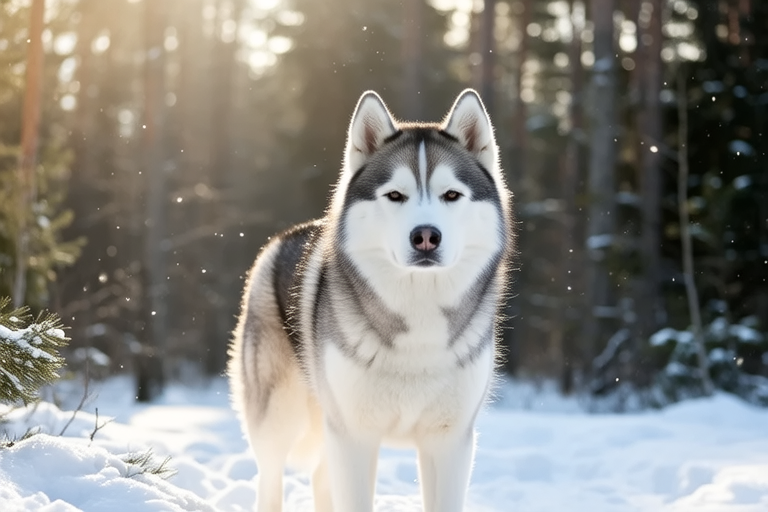
The Ultimate Guide to Surviving a Winter with a Siberian Husky
Siberian Huskies are renowned for their endurance and resilience, traits that make them well-suited for life in colder climates. However, even these hardy dogs need special care during the harsh winter months. This guide offers comprehensive advice to help you ensure your Siberian Husky thrives during the coldest season.
Appropriate Winter Gear for Huskies
While Siberian Huskies have thick coats designed to withstand cold temperatures, they still require proper gear to protect them from extreme weather. Consider investing in high-quality dog boots to prevent ice and salt from irritating their paws. Look for waterproof and insulated options that fit snugly but comfortably. Additionally, consider a reflective leash and collar for increased visibility during early morning or late evening walks when daylight is limited.
Another essential item is a harness instead of a traditional collar. A harness provides better support and reduces the risk of choking if your Husky pulls too hard during walks. Reflective harnesses are particularly useful in low-light conditions.
Dietary Adjustments Necessary for Energy Retention
During winter, your Husky’s energy requirements increase due to the cold. Their bodies work harder to maintain warmth, so it’s crucial to adjust their diet accordingly. Choose a high-quality dog food rich in protein and fat, as these nutrients provide the necessary calories for energy retention. Consult with your veterinarian about potential supplements like fish oil or joint care products to support their overall health.
Feeding your Husky smaller, more frequent meals can also be beneficial. This approach helps maintain their body temperature without overloading their digestive system. Avoid feeding them immediately before or after outdoor activities to prevent bloat, a potentially dangerous condition.
Exercise Tips Suitable for Cold Weather
Regular exercise is vital for your Husky’s physical and mental well-being, especially in winter when they may spend more time indoors. Short, frequent walks are preferable to long, infrequent ones. Early morning or late evening walks might be less comfortable for you, but they’re often the best times for your Husky since temperatures tend to be cooler.
Create an obstacle course at home using pillows, boxes, and other safe items to encourage physical activity. This not only keeps them active but also provides mental stimulation. If possible, consider snowshoeing or cross-country skiing with your Husky; these activities allow them to move freely while keeping them warm.
Grooming Advice to Maintain Their Coat Health
Despite their thick coats, Siberian Huskies require regular grooming to stay healthy and comfortable. Brush them daily to remove loose hair and prevent matting. Pay special attention to areas where mats commonly form, such as behind the ears and under the legs.
Bathing your Husky less frequently during winter is advisable. Over-bathing can strip their coat of natural oils, leaving them vulnerable to the cold. Use a gentle, hypoallergenic shampoo and thoroughly rinse to avoid skin irritation. After bathing, dry them completely with towels or a blow dryer set on low heat.
Safety Precautions While Walking Them in Icy Conditions
Walking your Husky in icy conditions requires extra caution. Keep them on a leash to prevent them from slipping or falling into icy water. Be mindful of areas where ice has formed, as these spots can be treacherous for both you and your dog.
If you live in an area prone to heavy snowfall, consider creating a safe path for your Husky by shoveling snow and sprinkling sand or pet-friendly ice melt. This will improve traction and reduce the risk of injury. Always check your Husky’s paws after walks for signs of irritation, cuts, or ice accumulation.
Indoor Entertainment Ideas to Keep Them Mentally Stimulated
Winter months can be challenging for your Husky’s mental health. Indoor games and activities can help alleviate boredom and prevent destructive behavior. Puzzle toys filled with treats challenge their minds and reward them for problem-solving.
Teach them new tricks or engage in interactive play sessions using toys that encourage fetching, tugging, or chasing. Rotate toys periodically to keep things interesting. Consider signing up for obedience classes or agility training to further stimulate their minds and bodies.
Conclusion
Surviving a winter with a Siberian Husky requires careful planning and attention to their unique needs. By providing appropriate gear, adjusting their diet, ensuring regular exercise, maintaining their coat health, taking safety precautions, and offering indoor entertainment, you can ensure your Husky remains happy and healthy throughout the winter season. Remember, every dog is different, so tailor your approach based on your individual pet’s preferences and requirements.
