Unraveling the Mystery Behind the Turkish Angora’s Majestic Beauty
The Turkish Angora is one of the oldest and most enchanting cat breeds, steeped in history and revered for its elegance and grace. This article delves into the origins, folklore, physical traits, behavior, and modern care tips of this captivating feline, shedding light on why it continues to mesmerize cat enthusiasts around the globe.
Ancient Origins and Historical Significance
The Turkish Angora hails from the Anatolian region of central Turkey, where it has been cherished for centuries. References to this breed can be traced back to ancient times, with depictions found in Turkish art and literature. The Turkish Angora was not just a pet but also held significant cultural importance, featuring prominently in Turkish folklore and royal harems.
In the Ottoman Empire, Turkish Angoras were highly prized and often gifted as diplomatic presents to foreign dignitaries. Their presence in royal harems symbolized luxury and prestige. These cats were pampered and treated with utmost care, reflecting their esteemed status.
Distinctive Physical Traits
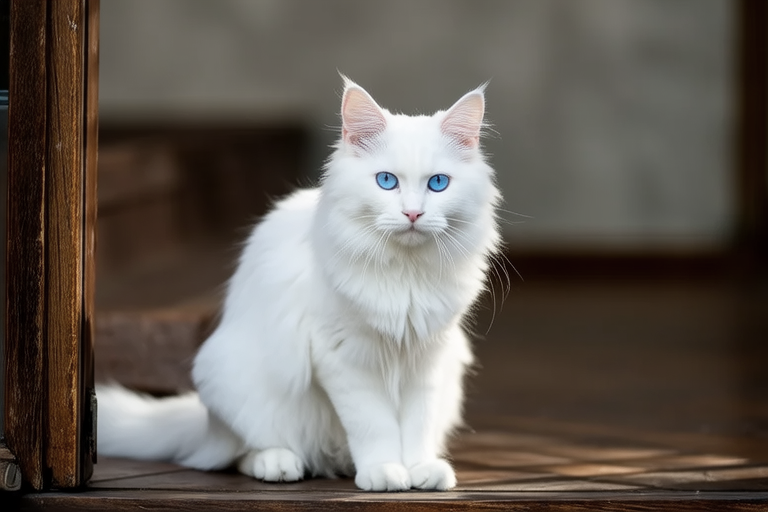
One of the most striking features of the Turkish Angora is its silky white coat, which gives it a regal appearance. The breed is known for its long, flowing fur that requires minimal grooming, setting it apart from other long-haired breeds. However, the coat comes in various colors, including black, red, and tabby patterns, although the white coat remains the most iconic.
The Turkish Angora’s piercing blue eyes add to its allure, creating a mesmerizing contrast against its snowy coat. This striking eye color is due to a genetic mutation called hypopigmentation, which affects the production of melanin in the iris. The mutation is recessive, meaning both parents must carry the gene for the offspring to have blue eyes.
Physically, Turkish Angoras are medium-sized, slender cats with a graceful, elegant build. They possess a long, arched neck, large ears, and a plumed tail. Their bodies are well-proportioned, showcasing strength and agility. These physical attributes contribute to their athletic nature and make them excellent climbers and jumpers.
Unique Behaviors and Temperament
Turkish Angoras are known for their exceptional agility, making them adept at navigating their environment with ease. Their intelligence is another hallmark of the breed, allowing them to solve problems and learn tricks quickly. They are curious and inquisitive, always exploring their surroundings with enthusiasm.
Sociable and affectionate, Turkish Angoras form strong bonds with their human companions. They enjoy interacting with people and are often described as playful and energetic. While they may be independent at times, they generally prefer the company of their owners and thrive in social environments. Turkish Angoras are also known for their gentle demeanor and patience, making them suitable companions for families with children.
Despite their friendly nature, Turkish Angoras can be somewhat reserved with strangers. They tend to form close relationships with a select few individuals and may take time to warm up to new people. This selective friendliness adds to their charm and makes them loyal and devoted pets.
Modern Care Tips
To ensure the health and happiness of a Turkish Angora, proper care is essential. A balanced diet rich in proteins, fats, vitamins, and minerals is crucial for maintaining their sleek coat and overall well-being. High-quality cat food specifically formulated for indoor or active cats is recommended.
Grooming practices should focus on maintaining the breed’s luxurious coat. Regular brushing helps prevent matting and removes loose hair, promoting a healthy skin condition. Bathing is generally unnecessary unless the cat gets particularly dirty, as over-bathing can strip the coat of its natural oils.
Health considerations include regular veterinary check-ups and vaccinations. Turkish Angoras are generally healthy, but like all breeds, they can be prone to certain conditions. Hypertrophic cardiomyopathy (HCM), a heart disease, is one concern that owners should be aware of. Early detection and management can significantly improve a cat’s quality of life.
Famous Turkish Angoras and Global Impact
Several Turkish Angoras have gained fame and recognition, contributing to the breed’s global popularity. One notable example is Mitochondrial Eve, a Turkish Angora that played a pivotal role in mitochondrial DNA research. Her genetic material provided valuable insights into the evolutionary history of cats, helping scientists understand the origins and diversification of different cat breeds.
The breed’s influence extends beyond individual cats to its impact on cat breeding globally. Turkish Angoras have been used in breeding programs to introduce desirable traits into other breeds, enhancing their appearance and genetic diversity. Their contribution to the cat fancy is undeniable, and they continue to captivate cat enthusiasts worldwide with their unique combination of beauty, intelligence, and charm.
The enduring appeal of the Turkish Angora lies in its rich history, distinctive physical traits, and engaging personality. From its origins in ancient Turkey to its current status as a beloved companion animal, this breed has left an indelible mark on the world of cats. Whether admired for its striking appearance or cherished for its affectionate nature, the Turkish Angora remains a testament to the enduring bond between humans and animals.
