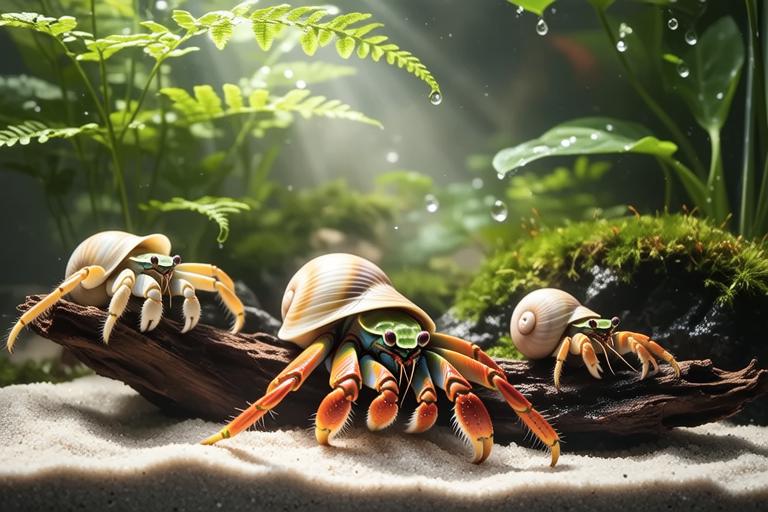
How to Create the Perfect Home for Your Hermit Crab Pet
Welcome to the wonderful world of hermit crab ownership! These fascinating creatures make delightful pets with their unique behaviors and charming personalities. However, creating the perfect home for your hermit crab requires careful consideration and attention to detail. In this comprehensive guide, we will explore the essential elements of setting up a habitat that ensures the health, happiness, and longevity of your hermit crab companion.
The Ideal Tank Size
Choosing the right tank size is crucial for your hermit crab’s well-being. While hermit crabs are relatively small, they require ample space to thrive. A 10-gallon tank is suitable for one or two hermit crabs, but larger tanks (20 gallons or more) are preferable for multiple crabs. Providing adequate room allows them to explore, play, and establish territories without feeling cramped.
Substrate Type and Depth
The substrate, or bedding material, forms the foundation of your hermit crab’s habitat. Coconut fiber, often referred to as coconut coir, is an excellent choice due to its moisture retention capabilities and natural composition. It mimics the crab’s natural environment and provides a soft surface for digging and burrowing. Aim for a substrate depth of at least four inches to allow your hermit crab to fully submerge itself when needed.
Temperature and Humidity Requirements
Hermit crabs thrive in tropical environments, so maintaining the right temperature and humidity levels is vital. The ideal temperature range for a hermit crab tank is between 75°F and 85°F (24°C to 29°C). Use a reliable thermometer to monitor the temperature and ensure it remains consistent. Additionally, maintain humidity levels between 70% and 80%. A hygrometer can help you keep track of humidity levels. To achieve these conditions, consider using a humidifier or misting the tank regularly.
Hiding Spots and Climbing Structures
Hermit crabs are naturally shy and need safe places to hide and feel secure. Incorporate various hiding spots into the tank, such as half-coconut shells, cork bark pieces, and commercially available caves. These provide shelter and reduce stress. Climbing structures like branches, driftwood, and artificial plants also encourage exercise and exploration. Ensure all structures are securely anchored to prevent accidents.
Water Dish Considerations
Water dishes are essential for hermit crabs as they require access to both fresh and saltwater. Place two shallow dishes within the tank—one filled with dechlorinated freshwater and another with a diluted saltwater solution. The saltwater should be prepared using marine aquarium salt and distilled or reverse osmosis water. This mixture should have a specific gravity of approximately 1.023. Regularly clean the water dishes to prevent bacterial growth and contamination.
Dietary Supplements
A balanced diet is key to keeping your hermit crab healthy. Offer a variety of foods, including fruits, vegetables, and protein sources. Suitable options include apples, bananas, carrots, leafy greens, and cooked shrimp. Avoid acidic or citrus-based foods, as they can harm the crab’s exoskeleton. Additionally, provide calcium supplements, such as crushed cuttlebone or calcium powder, to support proper shell development. Commercial hermit crab food can also be used as a supplement.
Regular Maintenance and Tank Cleaning
Maintaining a clean and healthy environment is crucial for your hermit crab’s long-term health. Regularly check the substrate for signs of mold or bacteria and replace it if necessary. Clean the tank and accessories weekly, using a mild vinegar solution to disinfect surfaces. Rinse all items thoroughly before returning them to the tank. Regular maintenance helps prevent the buildup of harmful bacteria and ensures a stress-free environment for your hermit crab.
Tips for Ensuring a Stress-Free Environment
To promote a stress-free environment, minimize handling your hermit crab and avoid sudden loud noises or movements near the tank. Hermit crabs are nocturnal, so try to limit disturbances during the day. Provide a consistent daily routine, including feeding times and tank maintenance schedules. This predictability helps your hermit crab feel secure and comfortable in its new home.
Promoting Health and Longevity
Creating the perfect home for your hermit crab involves more than just setting up the tank; it includes ongoing care and attention. By providing the right habitat, diet, and environment, you can significantly extend your hermit crab’s lifespan. With proper care, hermit crabs can live for several years, sometimes even decades. Their health and longevity depend on the quality of care they receive from their human companions.
In conclusion, setting up the perfect home for your hermit crab requires attention to detail and a commitment to providing the best possible environment. By following the guidelines outlined in this article, you can ensure that your hermit crab thrives in its new home. Remember, a happy and healthy hermit crab is a rewarding pet that brings joy and wonder to any household.
