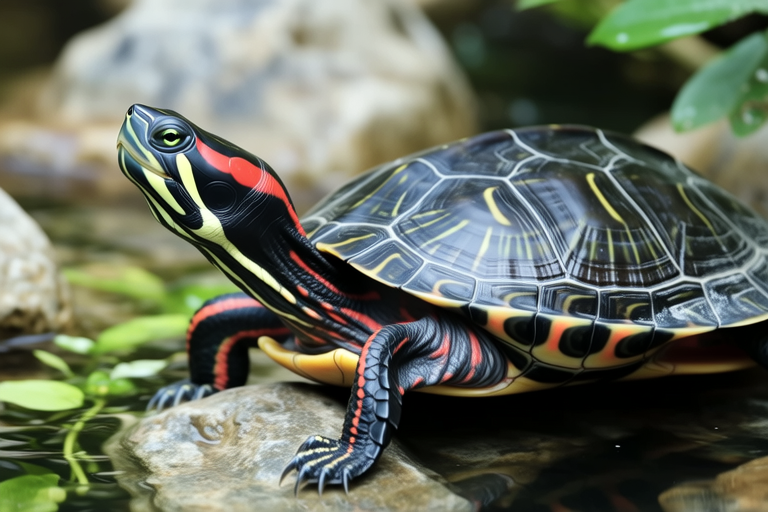
Red-Eared Sliders: The Ultimate Guide for New Turtle Owners
Welcome to the world of red-eared sliders! These charismatic reptiles have long been a favorite among turtle enthusiasts, thanks to their striking appearance and relatively easy care. If you’re considering adopting one or more red-eared sliders, this comprehensive guide will help you understand everything you need to know about these fascinating creatures. From setting up the perfect habitat to ensuring your turtle’s health and happiness, we’ve got you covered.
Introduction to Red-Eared Sliders
Red-eared sliders (Trachemys scripta elegans) are semi-aquatic turtles native to North America. They are named for the distinctive red stripe behind each eye and their preference for basking in the sun. These turtles are popular pets due to their vibrant colors, active nature, and relative ease of care. However, it’s important to note that owning a red-eared slider comes with significant responsibilities, as they can live for several decades and require specific environmental conditions to thrive.
Ideal Living Conditions
Red-eared sliders are highly adaptable but still require a well-balanced environment that mimics their natural habitat. This includes ample space for swimming, basking, and hiding. A suitable enclosure should be spacious enough to allow your turtle to move freely without feeling cramped. Additionally, maintaining clean water and providing appropriate lighting and temperature are crucial for their health.
Setting Up the Perfect Habitat
Tank Size
The minimum tank size for a single adult red-eared slider is 75 gallons. However, larger tanks are recommended, especially if you plan to keep multiple turtles or provide additional amenities like rocks or plants. Each additional turtle requires an extra 10 gallons of water per inch of shell length. Always ensure there’s enough room for all occupants to swim comfortably.
Filtration Systems
Investing in a high-quality filtration system is essential for keeping the water clean and free from harmful bacteria. Look for filters specifically designed for large aquariums or ponds. Regular maintenance of the filter, such as cleaning the intake and replacing carbon cartridges, helps maintain optimal water quality.
Lighting
Proper lighting is vital for red-eared sliders’ overall health. UVB light is necessary for calcium absorption and vitamin D production, which promotes strong bones and shells. Use full-spectrum UVB bulbs that emit 5% to 10% UVB radiation. Place the light source approximately 12 inches above the basking area, ensuring no glass or plastic obstructs the light path. Replace bulbs every six months, even if they appear functional, to maintain effectiveness.
Temperature Requirements
Maintaining the correct temperature gradient within the tank is crucial for your turtle’s metabolism and digestion. The water temperature should range between 75°F and 80°F (24°C to 27°C), while the basking area should reach 90°F to 95°F (32°C to 35°C). Utilize submersible heaters and external heat lamps to achieve these temperatures. Thermometers placed at both ends of the tank help monitor conditions accurately.
Proper Diet, Feeding Schedules, and Nutritional Needs
A balanced diet is key to your turtle’s longevity and vitality. Red-eared sliders are omnivores, meaning they consume both plant-based and animal-based foods. Younger turtles tend to eat more protein-rich items, whereas adults prefer a diet higher in vegetation. Feed young turtles daily, reducing frequency to every other day for adults.
High-quality commercial turtle pellets form the foundation of their diet. Supplement these with fresh vegetables like romaine lettuce, collard greens, and squash. Occasionally offer protein sources such as earthworms, mealworms, and cooked lean meats. Avoid feeding them iceberg lettuce, spinach, or rhubarb leaves, as these can cause digestive issues or nutrient imbalances.
Common Health Issues, Signs of Illness, and Preventive Care
Regular observation and prompt action when signs of illness arise are crucial. Common health problems include respiratory infections, shell rot, and metabolic bone disease. Respiratory infections manifest through nasal discharge, wheezing, or lethargy. Shell rot appears as soft spots or discoloration on the carapace or plastron. Metabolic bone disease results from inadequate calcium intake and manifests as soft shells or deformed limbs.
To prevent illnesses, ensure a clean and stress-free environment, maintain proper nutrition, and handle your turtle gently. Quarantine any newly acquired turtles for at least two weeks before introducing them to your existing population. Regular veterinary check-ups are also advisable.
Tips on Handling, Cleaning Habitats, and Maintaining Water Quality
Handle your turtle carefully, supporting its body and avoiding lifting by the legs or tail. Frequent cleaning of the tank prevents bacterial growth and maintains water clarity. Perform partial water changes weekly, removing approximately 25% of the old water and replacing it with fresh, dechlorinated water. Clean decorations, rocks, and plants regularly using a weak bleach solution followed by thorough rinsing.
Selecting Healthy Turtles from Reputable Sources and Integrating Them into a Home Environment
Choosing a reputable breeder or pet store ensures you bring home a healthy turtle. Look for clear eyes, smooth skin, and active behavior. Avoid turtles with swollen eyes, discharge, or signs of injury. Once settled, gradually introduce your turtle to its new home by placing it in shallow water first, then allowing it to explore the entire tank under supervision.
In conclusion, red-eared sliders make wonderful companions when provided with the right care and attention. By understanding their needs and following the guidelines outlined here, you’ll ensure your turtle lives a long, healthy, and happy life. Remember, responsible ownership involves ongoing learning and adaptation to meet your pet’s changing requirements throughout its lifespan.
