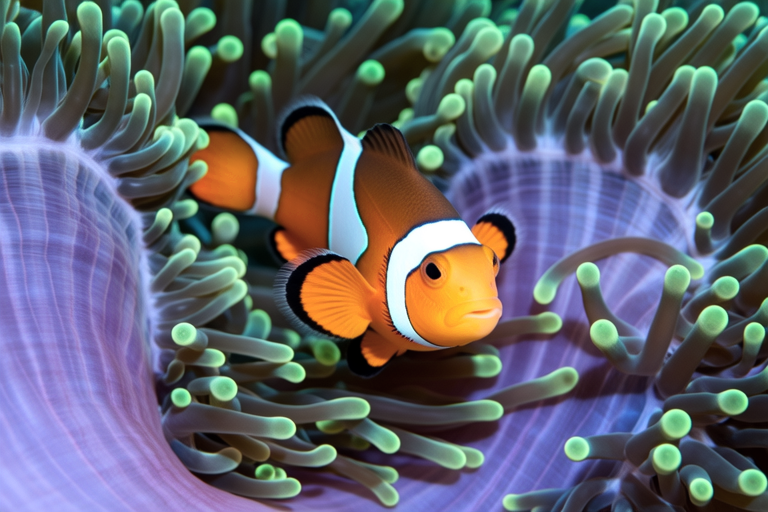
Clownfish Myths Debunked: Separating Fact from Fiction in Marine Petkeeping
Clownfish have long been a favorite among marine aquarists, thanks to their vibrant colors and distinctive personalities. Their popularity soared after the release of the animated film “Finding Nemo,” which featured the charismatic clownfish as the main character. Since then, many hobbyists have been drawn to these fish, hoping to replicate the charming scenes from the movie in their own aquariums. However, the reality of keeping clownfish can be quite different from the portrayal in popular media. This article aims to debunk some of the most common myths surrounding clownfish care and provide accurate information for those considering adding these fish to their marine tanks.
The Popularity of Clownfish in Marine Aquariums
Clownfish are undeniably one of the most popular species among marine aquarium enthusiasts. Their bright orange and white stripes make them visually striking, and their relatively docile nature makes them ideal for beginners. Additionally, the relationship between clownfish and sea anemones, as seen in “Finding Nemo,” has captivated the imaginations of many people. The notion of a clownfish swimming freely around its host anemone in a home aquarium seems like a dream come true for many hobbyists.
However, the reality of keeping clownfish in a marine tank is more complex than what is often portrayed. While clownfish can indeed thrive in captivity, there are several factors that must be carefully considered to ensure their health and well-being. Understanding these factors requires separating fact from fiction when it comes to clownfish care.
Myth 1: Clownfish Are Easy to Keep
One of the most pervasive myths about clownfish is that they are easy to keep. While it is true that clownfish can be hardy and adaptable, this does not mean that they require minimal care. Like all marine fish, clownfish have specific needs that must be met to thrive in an aquarium setting.
First and foremost, clownfish require stable water parameters. They need a pH level between 8.1 and 8.4, a temperature range of 76 to 82 degrees Fahrenheit, and salinity levels of 1.020 to 1.025. Maintaining these conditions requires regular testing and adjustment, which can be challenging for beginners. In addition, clownfish are sensitive to ammonia and nitrite levels, so a properly cycled tank is essential.
Another aspect of clownfish care that is often overlooked is diet. While clownfish will eat a variety of foods, including flakes, pellets, and frozen or live foods, they also benefit from a varied diet that includes brine shrimp, mysis shrimp, and other small invertebrates. Feeding a balanced diet ensures that clownfish receive the nutrients they need to stay healthy.
Furthermore, clownfish can be territorial, especially when paired with another clownfish. It is important to provide ample space and hiding spots within the tank to reduce stress and prevent aggression. A tank size of at least 30 gallons is recommended for a single clownfish, and larger tanks are necessary for multiple clownfish.
Myth 2: Clownfish Must Live with Sea Anemones
Another common myth about clownfish is that they must live with sea anemones. While it is true that clownfish have a symbiotic relationship with certain species of sea anemones in the wild, this is not a requirement for their survival in captivity. In fact, many marine aquarists choose not to keep sea anemones due to their specialized care requirements and potential risks to other tank inhabitants.
In the wild, clownfish and sea anemones form a mutually beneficial relationship. The clownfish provides protection for the anemone by driving away potential predators, while the anemone offers shelter and food to the clownfish. However, in a well-maintained aquarium, clownfish can thrive without an anemone. Many hobbyists find that clownfish are just as active and colorful without the added complexity of caring for a sea anemone.
That said, if you do decide to keep a sea anemone with your clownfish, it is important to choose a species that is compatible with clownfish. Popular choices include the bubble tip anemone (Entacmaea quadricolor) and the carpet anemone (Stichodactyla haddoni). These anemones are generally more forgiving and easier to care for compared to other species.
Myth 3: Clownfish Can Be Kept with Any Fish
Another misconception about clownfish is that they can be kept with any fish. While clownfish are generally peaceful, they can become aggressive towards other fish, especially if space is limited or if the tank is overcrowded. Additionally, some fish species may be incompatible with clownfish due to differences in behavior, diet, or habitat preferences.
For example, clownfish and tangs are often considered incompatible because tangs are highly active swimmers and can become stressed in a tank with territorial clownfish. Similarly, clownfish and triggerfish may not get along due to differences in temperament and feeding habits. Triggerfish are known for their aggressive behavior and can be particularly problematic for smaller fish like clownfish.
To ensure compatibility, it is important to research the specific needs and behaviors of both the clownfish and any potential tankmates. Some good tankmates for clownfish include small wrasses, gobies, and dartfish. These species tend to coexist peacefully with clownfish and share similar environmental requirements.
Myth 4: Clownfish Are Always Orange
Another myth about clownfish is that they are always orange. While the iconic orange-and-white-striped clownfish (Amphiprion percula) is certainly the most recognizable, there are actually many different species of clownfish, each with its own unique coloration and patterns. Some clownfish are predominantly yellow, others are reddish-brown, and still others have intricate black markings.
There are 28 recognized species of clownfish, and each has its own distinct appearance. For example, the tomato clownfish (Amphiprion frenatus) is a deep red color, while the percula clownfish (Amphiprion ocellaris) is the classic orange-and-white-striped fish. Other species, such as the skunk clownfish (Amphiprion akallopisos), have distinctive black bands running down their bodies.
Choosing a clownfish based on its color can be a fun part of the aquarium experience, but it is important to consider the specific care requirements of each species. Some clownfish species are more delicate than others and may require specialized care to thrive in captivity.
Conclusion
Clownfish are undoubtedly one of the most beloved species in marine aquariums, and their popularity shows no signs of waning. However, the reality of keeping clownfish can be quite different from the myths that surround them. By separating fact from fiction, hobbyists can ensure that their clownfish thrive in a well-maintained and appropriately stocked tank.
Understanding the specific care requirements of clownfish, including water parameters, diet, and tankmates, is essential for their health and well-being. While clownfish can be hardy and adaptable, they still require careful attention and proper care to thrive in captivity. With the right knowledge and preparation, keeping clownfish can be a rewarding and enjoyable experience for marine aquarists of all levels.
