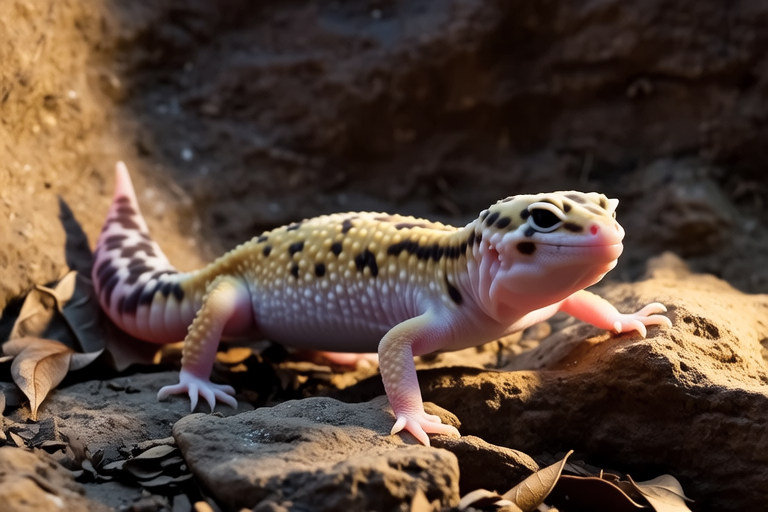
Debunking Common Myths About Leopard Geckos
Introduction:
Leopard geckos have become increasingly popular among reptile enthusiasts and first-time pet owners alike. Their docile nature, ease of care, and vibrant color patterns make them ideal companions. However, misinformation can often overshadow the truth about these fascinating creatures. It’s crucial to separate fact from fiction to ensure the well-being of your pet and enhance your understanding of their unique needs. This article aims to dispel ten common myths surrounding leopard geckos, providing you with accurate information backed by scientific evidence.
Myth 1: Leopard Geckos Can Eat Anything
Statement of the Myth: Many believe that leopard geckos can eat any kind of food, including fruits and vegetables.
Explanation: While leopard geckos are opportunistic feeders in the wild, their diet should consist primarily of insects like crickets, mealworms, and waxworms. Fruits and vegetables are not part of their natural diet and can cause digestive issues such as impaction. Feeding them appropriate prey items that have been gut-loaded (fed nutritious foods before being offered to the gecko) ensures they receive essential nutrients.
Myth 2: Leopard Geckos Do Not Need UVB Lighting
Statement of the Myth: Some people think leopard geckos don’t require UVB lighting because they spend most of their time underground.
Explanation: Although leopard geckos naturally reside in arid regions where they hide during daylight hours, they still benefit from low levels of UVB light. UVB helps in the synthesis of vitamin D3, which is vital for calcium absorption and bone health. Providing a low-output UVB bulb (around 5%) can prevent metabolic bone disease and other related ailments.
Myth 3: Leopard Geckos Hibernate Indoors
Statement of the Myth: There’s a misconception that leopard geckos hibernate indoors when temperatures drop.
Explanation: In captivity, leopard geckos do not need to hibernate. They are ectothermic animals whose body temperature adjusts according to external conditions. Maintaining consistent warmth through heating elements prevents them from entering a state of dormancy. Ensuring proper environmental controls keeps your gecko active and healthy year-round.
Myth 4: Leopard Geckos Are Nocturnal Hunters
Statement of the Myth: Some assume leopard geckos hunt exclusively at night.
Explanation: While leopard geckos are crepuscular—active during dawn and dusk—they also exhibit activity throughout the evening. Their hunting behavior is influenced by environmental factors rather than strictly adhering to nighttime schedules. Offering food at different times may encourage more frequent feeding sessions.
Myth 5: Leopard Geckos Require Constant Humidity
Statement of the Myth: A widespread belief is that leopard geckos need high humidity levels constantly.
Explanation: Leopard geckos thrive in dry environments with relative humidity between 30% and 40%. Excessive moisture can lead to respiratory infections and skin problems. Providing a humid hide (a moist area within the enclosure) allows them to shed properly without maintaining overall high humidity.
Myth 6: Leopard Geckos Don’t Need Water Bowls
Statement of the Myth: Some owners believe that leopard geckos get all the water they need from their food.
Explanation: While leopard geckos obtain much of their hydration from their prey, offering a shallow water dish encourages drinking habits. Regular access to clean water promotes better health and aids digestion. Ensure the bowl is easy for the gecko to enter and exit.
Myth 7: Leopard Geckos Always Eat Crickets
Statement of the Myth: There’s a notion that leopard geckos only eat crickets.
Explanation: Leopard geckos enjoy variety in their diet. Besides crickets, they can consume mealworms, dubia roaches, and hornworms. Introducing different types of feeder insects provides a broader spectrum of nutrients necessary for optimal growth and development.
Myth 8: Leopard Geckos Need Frequent Handling
Statement of the Myth: Some handlers think frequent interaction is beneficial for leopard geckos.
Explanation: Leopard geckos prefer minimal handling due to their shy nature. Overstimulation can stress them out, leading to behavioral changes or health issues. Occasional gentle interactions build trust but avoid prolonged or forceful contact.
Myth 9: Leopard Geckos Should Be Kept Alone
Statement of the Myth: Many believe that leopard geckos should never be housed together.
Explanation: Male leopard geckos are territorial and should not be kept with other males. Females can coexist peacefully if introduced early enough. Proper housing setups with adequate space, hiding spots, and enrichment activities reduce aggression among females. Monitor closely for signs of stress or fighting.
Myth 10: Leopard Geckos Never Get Sick
Statement of the Myth: Some owners mistakenly believe leopard geckos are immune to diseases.
Explanation: Like any living creature, leopard geckos can fall ill. Common health issues include parasites, respiratory infections, and metabolic bone disease. Regular veterinary check-ups, quarantine procedures for new additions, and maintaining hygienic living conditions significantly lower the risk of illness.
Conclusion:
Understanding the true nature of leopard geckos enriches both their lives and yours. By debunking these myths, we hope you gain valuable insights into caring for these remarkable pets. Stay updated on the latest research and best practices by joining local herpetological societies, subscribing to reputable magazines, and participating in online forums dedicated to exotic animal care. Remember, knowledge is power—armed with accurate information, you’ll provide the best possible environment for your beloved leopard gecko.
