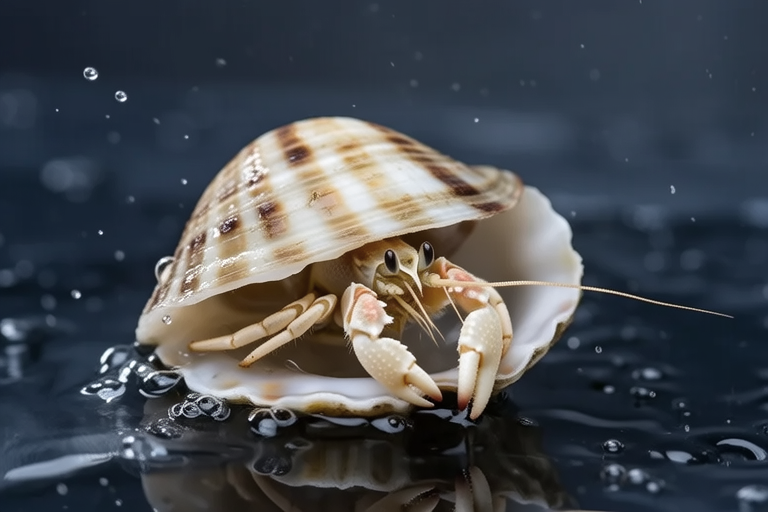
Tiny but Tenacious: How Pea Crabs Survive by Living Inside Other Creatures
Pea crabs are among the smallest members of the crustacean family, measuring only about half an inch in length. Despite their diminutive size, these tiny creatures possess a remarkable adaptation that allows them to thrive in the vast ocean. Pea crabs are obligate symbionts, meaning they cannot survive independently and must live inside other sea creatures. This unique lifestyle has enabled them to develop a complex and fascinating relationship with their hosts.
The Symbiotic Relationship
The symbiotic relationship between pea crabs and their hosts is one of mutualism, where both organisms benefit from the association. Pea crabs reside inside the bodies or shells of their hosts, which provide them with protection from predators and a stable environment. In return, pea crabs do not cause harm to their hosts and can even offer some benefits. For example, they may help clean the host’s body by consuming parasites or detritus.
Variety of Host Species
Pea crabs have adapted to live within a diverse range of hosts, including sea cucumbers, clams, and sea anemones. Each host species presents its own set of challenges and opportunities for the pea crab. Sea cucumbers, for instance, offer a rich source of nutrients and a safe place to hide from larger predators. Clams provide a secure shell to protect the pea crab from environmental stressors, while sea anemones supply a constant food source through the plankton they catch.
Adaptations for Survival
To thrive within their respective hosts, pea crabs have developed several key adaptations. They have flattened bodies, enabling them to fit snugly within tight spaces, and specialized appendages that allow them to cling securely to the host’s tissues. Additionally, pea crabs possess a reduced exoskeleton, making it easier for them to maneuver within confined areas. These adaptations not only help them survive but also ensure their comfort within their host environments.
Mating Habits and Life Cycle
The life cycle of pea crabs is intricately linked to their symbiotic relationship. Mating typically occurs outside the host, with males and females meeting in the water column. After mating, the female carries fertilized eggs on her abdomen until they hatch. The larvae then disperse into the surrounding water, where they search for suitable hosts. Once inside a host, the larvae undergo metamorphosis, transforming into adult pea crabs. This process ensures the continuation of the symbiotic relationship across generations.
Threats to Survival
Despite their successful adaptation, pea crabs face several threats to their survival. Habitat destruction, pollution, and climate change pose significant risks to their existence. As human activities continue to impact marine ecosystems, the delicate balance of the symbiotic relationship could be disrupted, potentially leading to the decline of pea crab populations. Understanding these threats is crucial for developing effective conservation strategies.
Importance of Studying Symbiotic Relationships
The study of pea crabs and their symbiotic relationships with hosts provides valuable insights into marine ecosystems and the complex interactions between organisms. By examining these relationships, scientists can better understand the dynamics of marine biodiversity and the role of symbiosis in maintaining ecosystem health. This knowledge is essential for implementing targeted conservation efforts aimed at protecting not just individual species but entire ecosystems.
In conclusion, pea crabs exemplify the tenacity and adaptability of marine life. Their unique ability to live inside other creatures highlights the intricate web of relationships that exists within the ocean. As we continue to explore and learn more about these tiny but tenacious creatures, it becomes increasingly clear that understanding their symbiotic relationships is vital for preserving the health and diversity of our marine ecosystems. Through ongoing research and conservation efforts, we can work towards ensuring the survival of pea crabs and the countless other species that call the ocean home.
