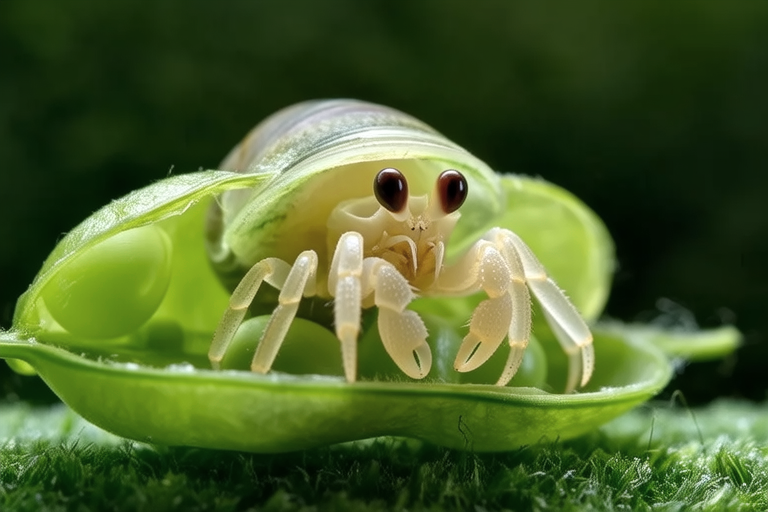
The Pea Crab: A Tiny Marvel of the Marine World
Crustaceans are some of the most fascinating creatures that inhabit our oceans, rivers, and even freshwater lakes. Among these, the pea crab (Pinnotheres pisum) stands out as one of the smallest crab species known. Despite its diminutive size, this little crab has remarkable adaptations that allow it to thrive in its unique environment. Let’s dive into the captivating world of the pea crab, exploring its size, habitat, unique adaptations, symbiotic relationships, and its crucial role in the ecosystem.
Size and Habitat
The pea crab truly lives up to its name, measuring just a few millimeters in length when fully grown. This tiny size allows it to live inside the bodies of larger marine organisms, where it finds shelter and food. These crabs are found in coastal waters around the world, from the cold northern seas to the warm tropical regions. They prefer shallow, sandy or muddy habitats where their hosts are abundant.
Unique Adaptations for Survival
The pea crab’s small size is more than just a physical characteristic; it’s a vital adaptation for survival. Their petite frame enables them to squeeze into the mantle cavity of their host, where they can find protection from predators and harsh environmental conditions. The crabs have also developed a specialized feeding mechanism that allows them to extract nutrients from the host’s body fluids. Additionally, their coloration often mimics that of their host, providing an extra layer of camouflage against potential threats.
Symbiotic Relationships
The pea crab’s life revolves around its symbiotic relationship with its host. These crabs are typically found living within the shells of bivalve mollusks, such as clams and oysters. While the crabs benefit from the protection and resources provided by their hosts, the relationship is not entirely one-sided. The pea crabs can sometimes help their hosts by removing parasites or cleaning the surrounding area, though this mutualistic aspect is less well-documented.
The Lifecycle of the Pea Crab
The lifecycle of the pea crab is both intriguing and complex. Females carry their eggs under their abdomen until they hatch. Once hatched, the larvae are free-swimming and must find a suitable host to attach to. If successful, they will molt several times before reaching adulthood. The entire process can take anywhere from a few months to over a year, depending on environmental factors like water temperature and availability of hosts.
Diet and Feeding Habits
The diet of the pea crab consists mainly of the fluids and tissues of their host organism. They use specialized mouthparts to pierce the host’s tissue and suck out the necessary nutrients. However, they do not consume enough to significantly harm their host, maintaining a delicate balance between the two organisms. In addition to their host’s fluids, pea crabs may also feed on plankton and other small particles found within the host’s cavity.
Role in the Ecosystem
Despite their small size, pea crabs play a significant role in their ecosystem. By acting as a form of biological control, they help regulate the population of their hosts. Additionally, their presence can indicate the health of the surrounding marine environment. If pea crab populations decline, it could be a sign of broader ecological issues affecting their hosts and the overall ecosystem.
Threats to the Pea Crab
Like many marine species, the pea crab faces various threats in its natural environment. Pollution, overfishing, and habitat destruction are among the most pressing concerns. Chemical pollutants can affect the crabs’ ability to reproduce and survive, while changes in water quality can make it harder for them to find suitable hosts. Overfishing of their hosts can lead to a decline in pea crab populations, as there are fewer places for them to live and feed.
Conservation Efforts
Efforts to conserve the pea crab and its ecosystem are essential for maintaining the balance of marine environments. Various organizations and governments are working to reduce pollution and protect critical habitats. By supporting sustainable fishing practices and promoting cleaner oceans, we can help ensure the survival of the pea crab and other important marine species.
Conclusion
The pea crab is a remarkable example of how small creatures can play a big role in the marine world. From their unique adaptations to their symbiotic relationships, these tiny crabs offer valuable insights into the intricate web of life beneath the waves. As we continue to explore and understand the ocean’s ecosystems, it’s clear that every species, no matter how small, has a part to play in the grand tapestry of life.
