Amazing Facts About Koi That Will Change How You See These Aquatic Beauties
Koi, or Nishikigoi, are more than just colorful fish; they are living works of art that have captivated people for centuries. Known for their vibrant colors and graceful movements, these aquatic beauties have become a symbol of elegance and tranquility. Dive into this article to uncover fascinating facts about koi, their longevity, cultural significance, intelligence, behaviors, and tips for maintaining a healthy koi pond.
The Longevity of Koi
One of the most intriguing aspects of koi is their impressive lifespan. With proper care, koi can live for decades, with some even reaching over 100 years! This longevity makes them a cherished addition to any garden or pond. The oldest recorded koi, named Hanako, lived to be 226 years old, according to her owner’s records. Her death was attributed to natural causes, which underscores the importance of providing optimal living conditions for these long-lived creatures.
Factors such as water quality, diet, and overall care significantly influence a koi’s lifespan. Regular maintenance of the pond, including cleaning and filtration, ensures that koi thrive in their environment. A balanced diet rich in protein, vitamins, and minerals supports their health and vitality. By creating a nurturing habitat, you can extend your koi’s life and enjoy their presence for many years.
Vibrant Colors and Patterns
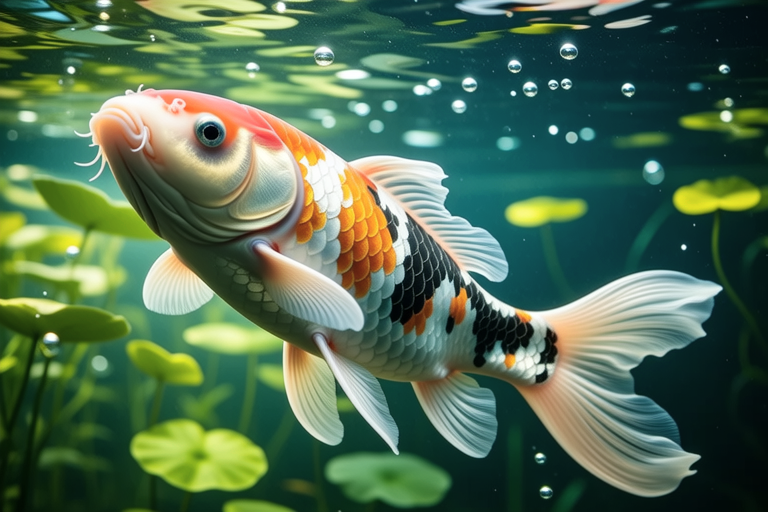
Koi are renowned for their stunning array of colors and patterns. These variations result from selective breeding over centuries. Some common varieties include Kohaku (white body with red markings), Showa Sanshoku (black base with red and white spots), and Taisho Sanshoku (red, white, and black patches). Each variety has its unique characteristics, making it a challenge to find two identical koi.
Their colors are not just aesthetically pleasing but also serve functional purposes. For instance, darker koi tend to absorb more heat from sunlight, helping them maintain their body temperature in cooler waters. Meanwhile, lighter-colored koi reflect sunlight, preventing overheating during hot weather. Understanding the relationship between color and function adds another layer of appreciation for these aquatic beauties.
Cultural Symbolism of Koi
In Japanese culture, koi symbolize perseverance, strength, and good fortune. Their ability to swim upstream against strong currents represents overcoming challenges and achieving success. This symbolism extends beyond Japan, influencing various cultures worldwide. In Chinese culture, koi are associated with prosperity and good luck, often depicted in artwork and decorations.
The connection between koi and human emotions runs deep. Many people find solace in watching koi gracefully move through water, creating a serene atmosphere. Their presence can evoke feelings of peace and tranquility, making them ideal companions for those seeking relaxation and mindfulness. Whether in a tranquil garden pond or a bustling public park, koi bring a sense of calm and beauty to any setting.
Intelligence and Behaviors
Beyond their striking appearance, koi possess remarkable intelligence and behaviors. They can recognize individual humans, responding to specific voices or actions. Some owners report that their koi come to the surface when called by name, eagerly anticipating food. This level of interaction showcases the bond that can develop between humans and these intelligent creatures.
Koi exhibit complex social structures within their groups. They establish hierarchies based on size, age, and dominance. Larger, older koi tend to dominate younger, smaller ones, leading to interesting dynamics within the pond. Observing these interactions provides insight into the intricate lives of koi and highlights their social nature.
Maintaining a Healthy Koi Pond
To ensure your koi remain healthy and vibrant, proper pond maintenance is essential. Start by choosing an appropriate location for your pond, ensuring it receives adequate sunlight while protecting the fish from extreme temperatures. A well-designed filtration system helps keep the water clean and free from harmful bacteria, algae, and other contaminants.
Water quality plays a crucial role in maintaining a healthy pond. Regularly test the water parameters, such as pH levels, ammonia, nitrite, and nitrate concentrations. Maintaining stable levels prevents stress and disease in your koi. Additionally, consider adding beneficial bacteria to promote a balanced ecosystem.
Feeding your koi properly is equally important. Provide high-quality food formulated specifically for koi, offering a mix of pellets, flakes, and occasional treats like vegetables or insects. Adjust feeding amounts based on water temperature and activity levels, avoiding overfeeding to prevent water pollution.
Finally, create a safe and comfortable environment for your koi. Incorporate hiding spots, such as plants or rocks, to provide shelter and reduce stress. Regularly monitor the pond for signs of illness or distress, taking prompt action if necessary. By following these guidelines, you can enjoy healthy, thriving koi in your pond for many years.
Conclusion
Koi are truly amazing creatures, combining beauty, intelligence, and cultural significance. From their impressive lifespans to their vibrant colors and patterns, these aquatic beauties offer endless fascination. Understanding their behavior and needs allows us to appreciate them fully, fostering a deeper connection with these remarkable fish. By providing optimal care, we can ensure that our koi remain healthy and happy, bringing joy and tranquility to our lives for generations to come.
