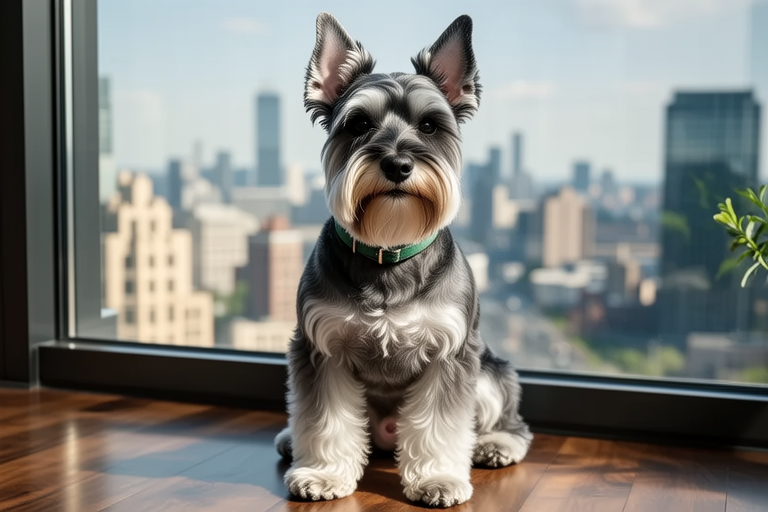
From Farm to City: How Schnauzers Adapted and Thrived in Modern Homes
The schnauzer, a breed that has captured hearts worldwide with its distinctive beard and wiry coat, has a rich history deeply rooted in agriculture. Originally bred on farms across Europe, these versatile canines played crucial roles in maintaining the smooth operation of rural households. Their keen intelligence, robust health, and unique physical attributes made them indispensable companions for farmers. This article explores the journey of schnauzers from their origins on farms to their thriving adaptation in modern urban homes.
Origins on the Farm
Schnauzers were first bred in Germany during the Middle Ages, primarily as working dogs. They were tasked with guarding property, herding livestock, and hunting vermin such as rats and mice. Their compact size, sturdy build, and alert nature made them ideal for these tasks. The schnauzer’s wiry double coat provided excellent protection against harsh weather conditions, while their sharp instincts allowed them to quickly detect threats or changes in their surroundings.
In addition to their practical skills, schnauzers were known for their loyalty and affection towards their human families. Farmers appreciated not only their utility but also their companionship, making them valued members of the household. Their ability to bond closely with people was one of the key traits that would later help them transition smoothly from farm life to city living.
Transitioning to Urban Environments
As industrialization swept through Europe and North America, many families moved from rural areas into cities in search of better opportunities. With this migration came the schnauzer, who had to adjust to new environments and lifestyles. The shift from open fields to crowded streets presented several challenges for the breed, including reduced space, increased noise levels, and unfamiliar social interactions.
Despite these obstacles, schnauzers demonstrated remarkable adaptability. Their intelligence and versatility allowed them to excel in various roles within urban settings. In cities, they continued to serve as loyal guardians but also found new purposes as therapy dogs, service animals, and competitors in canine sports like agility and obedience trials. These activities not only kept schnauzers mentally stimulated but also strengthened their bonds with owners.
Thriving in Modern Homes
Today, schnauzers are popular choices for families seeking intelligent, energetic, and affectionate companions. Their small to medium size makes them well-suited for apartment living, where space might be limited. However, it is important for prospective owners to understand that schnauzers require regular exercise and mental stimulation to prevent boredom or destructive behavior.
One of the most notable features of schnauzers is their hypoallergenic coat, which produces less dander than other breeds. This characteristic has made them particularly appealing to allergy sufferers. Additionally, their low-maintenance grooming needs make them relatively easy to care for compared to some other dog breeds.
Modern schnauzers have seamlessly integrated into family life, often serving as protectors, playmates, and confidants. Their playful yet calm demeanor allows them to get along well with children and other pets. Many owners report that schnauzers form strong attachments to their families and enjoy participating in daily activities.
Examples of Schnauzers in Urban Settings
- Therapy Dogs: Schnauzers frequently participate in therapy programs designed to improve the emotional well-being of individuals in hospitals, nursing homes, and schools. Their gentle nature and comforting presence help alleviate stress and anxiety among patients and students alike.
- Service Animals: Some schnauzers undergo specialized training to assist people with disabilities. Whether guiding visually impaired individuals or providing support for those with mobility issues, these dogs demonstrate remarkable dedication and reliability.
- Canine Sports: Agility courses, flyball tournaments, and obedience competitions showcase the athleticism and trainability of schnauzers. Participating in these events offers both mental and physical challenges that keep the breed engaged and happy.
Conclusion: Enduring Popularity
The schnauzer’s journey from farm to city is a testament to their resilience and adaptability. Over centuries, they have evolved from working dogs on agricultural estates to cherished companions in modern homes. Their enduring popularity stems not only from their striking appearance but also from their loyal, loving personalities.
Whether living in spacious suburban houses or cozy apartments, schnauzers continue to bring joy and comfort to countless families around the world. As we look to the future, it is clear that these versatile and intelligent dogs will remain beloved members of our communities for generations to come.
