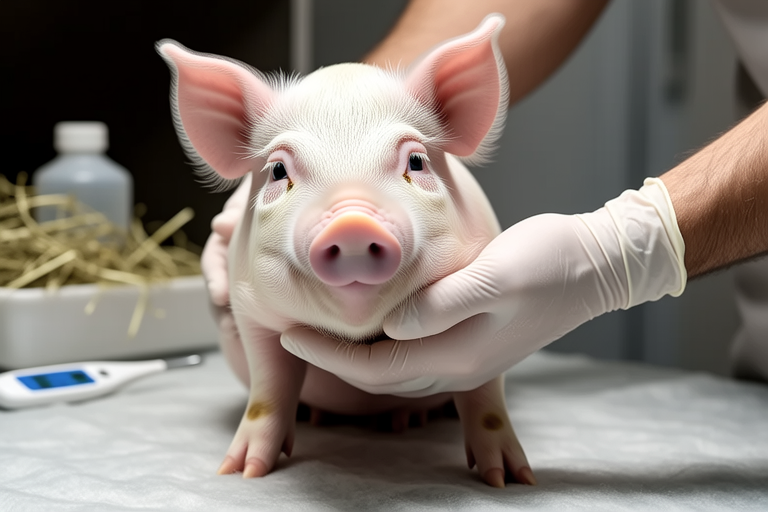
Guinea Pig Health Check: Common Illnesses and Prevention
Welcome to the world of guinea pig care! As a responsible owner, it’s essential to understand the importance of regular health checks for your pet. Regular visits to the veterinarian can help identify potential health issues early, ensuring that your guinea pig remains healthy and happy. In this article, we will discuss common illnesses affecting guinea pigs, their symptoms, causes, and how you can prevent them. We’ll also provide valuable advice on recognizing signs of illness and the importance of prompt action.
The Importance of Regular Health Checks
Regular health checks are crucial for maintaining your guinea pig’s well-being. These small animals can be prone to various health issues, and early detection is key to effective treatment. By familiarizing yourself with the common signs of illness and establishing a routine for monitoring your pet, you can catch problems before they become severe. Additionally, routine veterinary check-ups allow your vet to monitor your guinea pig’s overall health and provide necessary vaccinations or treatments.
Common Illnesses Affecting Guinea Pigs
Respiratory Infections
Respiratory infections are one of the most common health issues in guinea pigs. These infections can range from mild to severe and may include symptoms like sneezing, nasal discharge, labored breathing, and lethargy. Respiratory infections are often caused by bacteria, viruses, or environmental factors such as poor ventilation, drafts, or overcrowded living conditions. If left untreated, these infections can lead to pneumonia, which can be fatal.
Dental Problems
Guinea pigs have continuously growing teeth, which means they need to chew regularly to maintain proper tooth length. Dental problems, such as overgrown teeth or malocclusion (misalignment), can cause significant discomfort and affect their ability to eat. Symptoms of dental issues include weight loss, difficulty eating, drooling, and swelling around the mouth. Providing appropriate hay and gnawing toys can help keep your guinea pig’s teeth in good condition.
Skin Issues
Skin problems are another frequent concern for guinea pigs. Common skin issues include mites, fungal infections, and allergies. Symptoms may include hair loss, itching, redness, and scabs. Skin problems can be caused by various factors, including poor hygiene, inadequate grooming, or exposure to allergens. Regular grooming and maintaining clean living conditions can help prevent these issues.
Digestive Disorders
Digestive disorders are a serious concern for guinea pigs, as they can lead to life-threatening conditions if not addressed promptly. Common digestive issues include bloat, diarrhea, and constipation. Symptoms may include lack of appetite, bloated abdomen, changes in stool consistency, and lethargy. Proper diet and hydration are crucial in preventing digestive problems.
Prevention Tips
Diet
A balanced diet is essential for maintaining your guinea pig’s health. Feed your pet high-quality hay, fresh vegetables, and a vitamin C supplement daily, as guinea pigs cannot produce their own vitamin C. Avoid sugary treats and limit the amount of fruit you give them. Fresh water should always be available, and it’s important to change it regularly to prevent bacterial growth.
Hygiene
Maintaining cleanliness is vital for preventing infections and skin issues. Clean your guinea pig’s cage at least once a week, removing soiled bedding and replacing it with fresh material. Regularly wash food and water bowls to avoid the buildup of bacteria. Additionally, provide your guinea pig with a dust-free environment, as excessive dust can irritate their respiratory system.
Housing Conditions
The living conditions of your guinea pig play a significant role in their health. Ensure that their cage is spacious enough for them to move around comfortably and that it provides adequate ventilation. Avoid placing the cage in drafty areas or near direct sunlight. The temperature should be moderate, between 65-75°F (18-24°C). Proper bedding, such as paper-based products or fleece, can help maintain a clean and comfortable environment.
Regular Veterinary Care
Scheduling routine veterinary appointments is crucial for monitoring your guinea pig’s health. Your veterinarian can perform regular check-ups, administer necessary vaccinations, and address any concerns you may have. They can also provide guidance on proper nutrition, grooming, and environmental enrichment. Establishing a relationship with a trusted veterinarian ensures that you have someone knowledgeable to turn to when health issues arise.
Recognizing Signs of Illness and Quick Action
As a guinea pig owner, it’s important to recognize the signs of illness early. Changes in behavior, appetite, or physical appearance can indicate that something is wrong. Keep an eye out for symptoms such as lethargy, reduced activity, decreased appetite, unusual vocalizations, and changes in stool or urine. If you notice any concerning signs, contact your veterinarian immediately. Prompt action can make a significant difference in the outcome of your pet’s health.
In conclusion, understanding the common illnesses that affect guinea pigs and taking preventive measures can help ensure your pet lives a long and healthy life. By providing a nutritious diet, maintaining hygiene, creating suitable living conditions, and seeking regular veterinary care, you can minimize the risk of health issues. Always be vigilant for signs of illness and act quickly when needed. With proper care and attention, your guinea pig can thrive and bring joy to your home for years to come.
