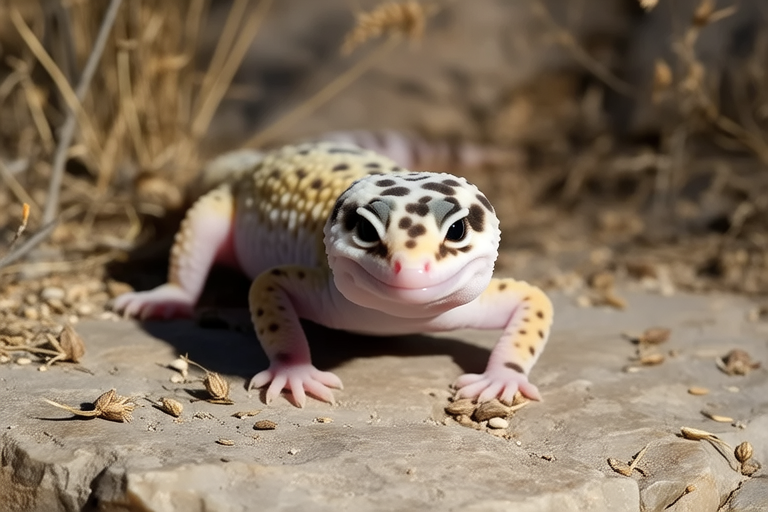
Adorable Leopard Gecko Moments That Will Melt Your Heart
Leopard geckos have captured the hearts of many reptile enthusiasts around the world. These small, docile creatures are known for their unique appearance, gentle demeanor, and easy care requirements. Whether you’re a first-time owner or a seasoned herpetologist, there’s always something new and delightful to discover about these charming reptiles. From their quirky eating habits to their serene sleeping positions, leopard geckos offer a plethora of heartwarming moments that will leave you in awe.
The Charming Behaviors of Leopard Geckos
One of the most endearing qualities of leopard geckos is their calm and peaceful nature. Unlike some other reptiles, they are generally not aggressive and rarely bite. This makes them ideal pets for families with children. When handled gently, leopard geckos can become quite comfortable with human interaction. Many owners report that their geckos enjoy being held and petted, especially after getting used to their presence.
Leopard geckos are also known for their quirky behaviors. One such behavior is their tendency to wave their front legs when they are excited or trying to get attention. This waving motion is often accompanied by a series of quick head bobs, making it look as if they are performing a tiny dance. Another amusing habit is their tendency to flick their tails when they are startled or feel threatened. While this behavior might seem alarming at first, it’s actually just their way of communicating discomfort or fear. Rest assured, they are not trying to harm anyone.
Leopard geckos are also very curious creatures. They love exploring their surroundings and will often spend time investigating new objects or changes in their environment. This curiosity can be both entertaining and educational for their owners, as it provides an opportunity to observe their natural behaviors up close. Some owners even report that their geckos have developed preferences for certain toys or decorations, adding a personal touch to their interactions.
Unique Traits of Leopard Geckos
Leopard geckos possess several unique traits that set them apart from other reptiles. One of the most distinctive features is their ability to regenerate their tails. If a predator manages to grab hold of a gecko’s tail, it can detach it as a defense mechanism. The detached tail continues to wiggle, distracting the predator while the gecko makes its escape. Over time, the gecko will grow a new tail, though it may not be as long or perfect as the original. Despite losing their tail, leopard geckos can still lead healthy, happy lives.
Another unique trait of leopard geckos is their nocturnal lifestyle. They are most active during the evening and night, which means they tend to sleep during the day. This behavior can make them seem somewhat elusive to new owners who are used to more diurnal pets. However, once you get to know your gecko’s routine, you’ll find that they are quite predictable and enjoyable to watch during their active hours.
Leopard geckos also have a fascinating digestive system. They are insectivores, meaning their diet consists primarily of insects. Their tongues are specially adapted to catch prey, and they have the ability to unhinge their jaws to swallow larger insects whole. This adaptation allows them to consume a variety of food items, including crickets, mealworms, and dubia roaches. Providing a diverse diet is important for maintaining their health and well-being.
Caring for Your Leopard Gecko
Leopard geckos are relatively low-maintenance pets, but they do require proper care to thrive. One of the most important aspects of their care is providing a suitable habitat. A standard 10-gallon tank is sufficient for one adult gecko, but larger enclosures are recommended for multiple geckos or those who prefer more space. The enclosure should include a hide box, a water dish, and a substrate that is safe for ingestion, such as paper towels or reptile carpet.
Temperature control is another critical factor in leopard gecko care. These reptiles are ectothermic, meaning they rely on external sources of heat to regulate their body temperature. It’s essential to provide a thermal gradient within the enclosure, with one side warmer than the other. This allows the gecko to move between different temperatures as needed. A daytime temperature range of 88-90°F (31-32°C) on the warm side and 75-80°F (24-27°C) on the cool side is ideal. At night, the temperature can drop slightly, but it should never fall below 70°F (21°C).
Humidity levels should be kept low, around 30-40%, to prevent respiratory issues. Leopard geckos are adapted to arid environments, so excessive moisture can be harmful. Proper ventilation is also crucial to ensure good air circulation within the enclosure. Regular cleaning of the tank and accessories is necessary to maintain hygiene and prevent the buildup of bacteria or mold.
Feeding Your Leopard Gecko
Leopard geckos are insectivores, and their diet should consist primarily of live insects. Crickets are a popular choice, but it’s important to feed a variety of insects to ensure a balanced diet. Other suitable options include mealworms, dubia roaches, and waxworms. It’s recommended to dust the insects with calcium and vitamin supplements before feeding them to your gecko. This helps to prevent deficiencies and promote healthy bone development.
Leopard geckos should be fed every other day, with the amount depending on their age and size. Young geckos require more frequent feedings, while adults can be fed less frequently. It’s important to avoid overfeeding, as obesity can lead to health problems. Additionally, it’s a good idea to offer fresh vegetables or fruits occasionally, but only as treats. Leopard geckos cannot digest plant matter efficiently, so these should be offered sparingly and in moderation.
Hydration is also an important aspect of leopard gecko care. While they obtain much of their water from their food, it’s still essential to provide a shallow water dish that they can easily access. The water should be changed daily to prevent contamination. Some geckos may also enjoy misting sessions, where they can drink droplets of water sprayed onto the walls of their enclosure.
Interacting with Your Leopard Gecko
Leopard geckos are social animals and enjoy regular interaction with their owners. Handling them gently and consistently can help build trust and strengthen the bond between you and your pet. It’s important to handle them with care, as they are delicate creatures. Always support their body when holding them and avoid squeezing or pinching their limbs.
Many owners report that their geckos enjoy being petted along their back and sides. This gentle stroking can help them relax and feel secure. Some geckos even enjoy being wrapped in a soft towel, which mimics the feeling of being in a burrow. It’s important to pay attention to your gecko’s body language and stop handling them if they show signs of stress or discomfort.
Leopard geckos are also known for their playful behavior. Some owners report that their geckos enjoy chasing after toys or exploring new objects in their enclosure. Providing enrichment activities, such as hiding treats or rearranging decorations, can keep your gecko mentally stimulated and entertained. This can also help prevent boredom and promote a healthier, happier pet.
Conclusion
Leopard geckos are truly adorable creatures that bring joy and tranquility to their owners’ lives. From their quirky behaviors to their unique traits, there’s always something new and delightful to discover about these charming reptiles. By providing proper care and attention, you can create a loving and nurturing environment for your gecko to thrive in. Whether you’re a first-time owner or a seasoned herpetologist, there’s no denying the special bond that forms between you and your leopard gecko. So go ahead, snuggle up with your little friend, and enjoy the heartwarming moments that await you.
