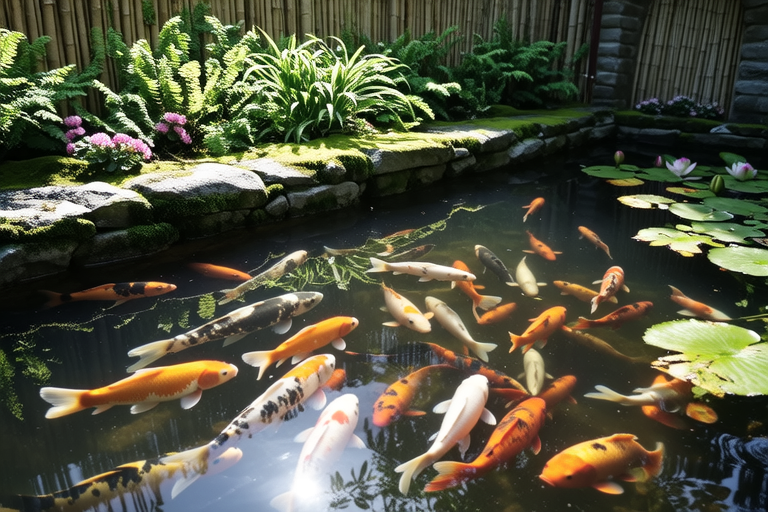
Koi Care Simplified: Tips for Keeping Your Water Garden Thriving
Introduction
Welcome to the enchanting world of koi fish! These vibrant, colorful creatures have captivated human imagination for centuries, symbolizing good fortune and beauty in Japanese culture. Koi, or Nishikigoi, are ornamental varieties of domesticated common carp (Cyprinus carpio) that have been selectively bred for their striking patterns and colors. Their presence in water gardens adds not only visual appeal but also a serene ambiance, making them a popular choice among garden enthusiasts. Whether you’re a seasoned aquarist or a beginner looking to create a tranquil oasis, understanding the basics of koi care is crucial to ensuring your aquatic companions lead healthy, fulfilling lives.
The Significance of Koi in Water Gardens
Koi ponds are more than just decorative features; they serve as vital ecosystems within our landscapes. The gentle ripple of water, the splash of a leaping koi, and the kaleidoscope of colors these fish display can transform any backyard into a peaceful retreat. Moreover, koi ponds contribute positively to environmental sustainability by promoting biodiversity and providing habitats for other aquatic organisms. They also offer educational opportunities, allowing both children and adults to learn about the interdependence of living systems.
Essential Koi Care Tips
Proper Feeding
Feeding your koi is one of the most enjoyable aspects of owning them. However, it’s important to remember that overfeeding can lead to poor water quality and health problems for your fish. A general rule is to feed them no more than they can consume in five minutes. The type of food should vary depending on the season:
- Spring and Autumn: Use high-protein foods like pellets or flakes to help them recover from winter hibernation and prepare for colder months.
- Summer: Switch to low-protein, vitamin-rich diets to prevent obesity and ensure they stay active.
- Winter: Reduce feeding frequency as koi become less active during this period.
Always check the expiration date on your koi food and store it in a cool, dry place to maintain its nutritional value.
Maintaining Water Quality
Water quality is paramount to the health of your koi. Poor水质
