Adventures with Heterometrus Spinifer: Tips for New Owners and Enthusiasts
Welcome to the fascinating world of Heterometrus Spinifer, also known as the Asian Forest Scorpion. These creatures are not only captivating but also come with unique challenges and rewards for their owners. This article aims to provide comprehensive guidance for both new owners and enthusiasts, covering everything from setting up the perfect habitat to understanding their dietary needs and handling tips.
The Unique Characteristics of Heterometrus Spinifer
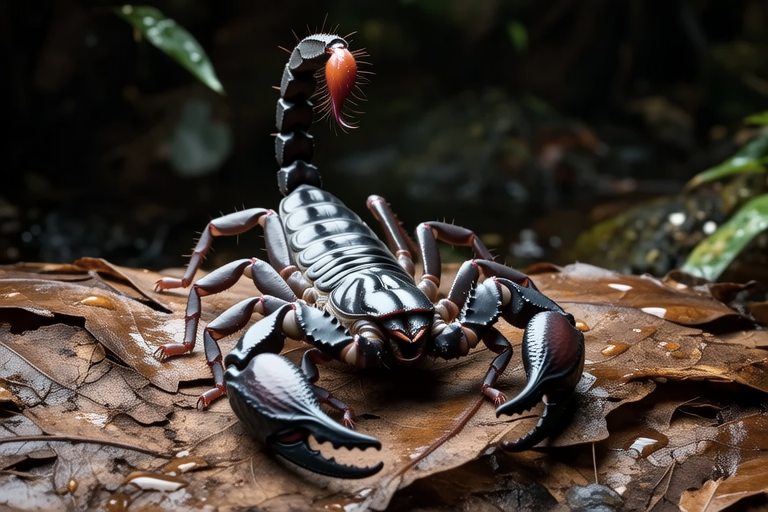
Heterometrus Spinifer is a medium-sized scorpion species that stands out with its striking appearance. Males typically reach lengths between 6 to 8 inches, while females are slightly smaller at around 4 to 6 inches. They have a dark brown or black exoskeleton with lighter brown stripes running along the tail, legs, and body. The most distinctive feature is the presence of small spines along their tail, which gives them their name, ‘Spinifer,’ meaning ‘spiny bearer.’ These spines are harmless to humans but serve as a deterrent against predators.
In terms of behavior, Heterometrus Spinifer are nocturnal, active primarily during the night. They are relatively calm compared to other scorpion species, making them suitable for beginners. However, they are not recommended for children or those who may handle them roughly. These scorpions are solitary creatures and prefer to be left alone, so it’s important to respect their need for solitude. Their diet mainly consists of insects, and they are skilled hunters, often using their pincers to catch prey before injecting venom with their stinger.
Setting Up an Appropriate Habitat
Creating the right environment is crucial for the well-being of your Heterometrus Spinifer. A glass terrarium or tank with a secure lid is essential to prevent escapes. The size of the enclosure should be at least 10 gallons for one adult scorpion, providing ample space for movement and burrowing. Substrate, such as coconut fiber or peat moss, should be at least 3-4 inches deep to allow for digging and humidity retention.
Temperature and humidity play significant roles in maintaining the health of your scorpion. Maintain temperatures between 75-85°F (24-29°C) during the day and allow it to drop slightly at night. Humidity levels should be kept around 70-80%. A shallow water dish should be provided for drinking and occasional soaking. Regular misting helps maintain humidity levels and encourages natural behaviors like burrowing and shedding.
Dietary Needs
Heterometrus Spinifer are obligate carnivores and require a varied diet to ensure optimal health. Feed them live insects such as crickets, mealworms, and dubia roaches. It’s important to gut-load these feeder insects with nutritious food prior to feeding them to your scorpion. Feeding frequency depends on the age and size of the scorpion; juveniles may need to be fed every few days, while adults can be fed once a week.
Vitamin and mineral supplements can be dusted onto the feeder insects occasionally to ensure proper nutrition. Avoid overfeeding, as obesity can lead to health issues. Always remove uneaten prey after 24 hours to prevent contamination and potential stress to your scorpion.
Handling Tips
While Heterometrus Spinifer are generally docile, handling should be done with caution and respect for their boundaries. Use long-handled tweezers or forceps when necessary, and always approach slowly and gently. Never grasp the scorpion by its tail or pinchers, as this can cause injury or stress. Handling should be minimized to avoid unnecessary stress and to prevent potential accidents.
If you need to move your scorpion, gently scoop it up using a soft brush or paper towel. Always supervise young handlers and educate them about the importance of gentle and respectful interactions.
Maintaining Health and Addressing Common Issues
Regular observation and maintenance are key to ensuring the health of your Heterometrus Spinifer. Check for signs of dehydration, such as wrinkled skin, and ensure the substrate remains moist. Shedding is a natural process, and you should monitor this carefully. A healthy scorpion will shed its entire exoskeleton in one piece, and it may appear sluggish or inactive during this period.
Common health issues include mite infestations and improper shedding. Mites can be introduced through contaminated substrates or feeder insects. To prevent this, quarantine all new additions to the enclosure and clean the tank regularly. If you notice mites, isolate the affected scorpion and treat the enclosure with a safe insecticide.
Improper shedding can occur if humidity levels are too low. Increase humidity temporarily by misting more frequently and providing a humid hide. If the scorpion is unable to shed properly, consult a veterinarian experienced in exotic animals for assistance.
Rewarding Aspects of Ownership
Owning a Heterometrus Spinifer can be a deeply rewarding experience. Watching these fascinating creatures hunt and interact with their environment provides endless entertainment. Their unique appearance and behavior make them a topic of interest among friends and family. Additionally, caring for these animals responsibly contributes to their conservation efforts, as many scorpion species face threats in the wild.
Enthusiasts can further contribute by participating in community forums and sharing knowledge with fellow hobbyists. Supporting ethical breeders and avoiding the purchase of wild-caught specimens helps reduce the impact on natural populations. By raising awareness and promoting responsible ownership, we can ensure the continued survival of these remarkable creatures.
Conclusion
Adventures with Heterometrus Spinifer offer a unique and enriching experience for both new owners and seasoned enthusiasts. With the right care and attention, these scorpions can thrive in captivity, bringing joy and fascination to their keepers. By understanding their needs and respecting their boundaries, we can ensure the well-being of these amazing creatures. Embrace the journey of ownership with dedication and passion, and together, we can contribute positively to their care and conservation.
