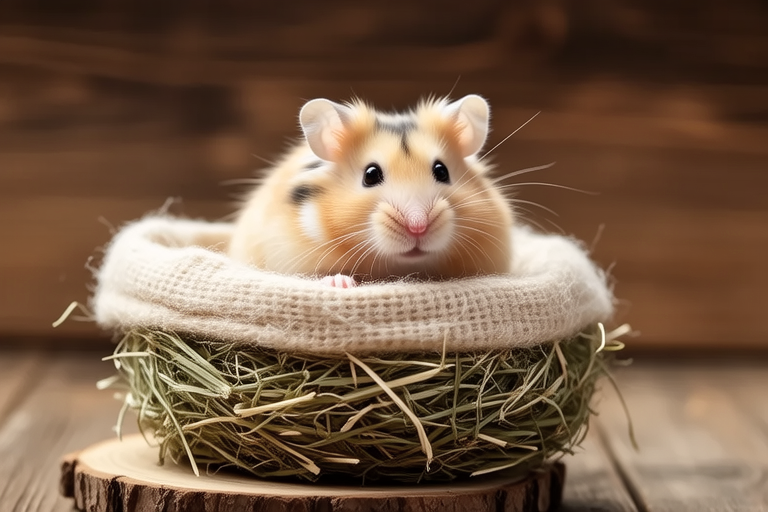
DIY Cozy Nesting Ideas for Your Golden Hamster
Your golden hamster is more than just a pet; it’s a cherished member of your family. Providing a comfortable environment is crucial for your hamster’s health and happiness. A well-designed habitat can enhance their quality of life, reduce stress, and encourage natural behaviors such as burrowing and nesting. In this article, we will explore various DIY cozy nesting ideas that you can create for your golden hamster using simple household items. These projects not only provide a warm and inviting space for your pet but also serve as enriching activities that stimulate their natural instincts.
The Importance of a Comfortable Environment
Hamsters are small creatures with big needs. Their habitats should be safe, clean, and stimulating. A comfortable living space promotes physical health by reducing the risk of injury and illness, and it also supports mental well-being by offering opportunities for exploration and play. In the wild, hamsters spend much of their time digging and creating tunnels and nests. Replicating these environments in captivity helps them feel secure and content.
Materials You Will Need
- Tissue paper or shredded paper
- Toilet paper rolls
- Fabric scraps (soft and non-toxic)
- Cotton balls
- Pine or aspen bedding
- Small boxes or containers
Step-by-Step Instructions for Creating Cozy Nests
Nest Using Tissue Paper and Toilet Paper Rolls
- Gather Materials: Collect several sheets of tissue paper and a few empty toilet paper rolls.
- Prepare the Rolls: Tear off the cardboard center from the toilet paper rolls. These will serve as the base of your hamster’s nest.
- Stuff the Rolls: Stuff each roll with tissue paper until it is full and firm. This creates a soft, cozy interior for your hamster.
- Arrange the Rolls: Place the stuffed rolls in a corner of the hamster’s cage. Arrange them so they form a semi-circle or a small enclosed space.
- Add Additional Tissue: Surround the rolls with extra tissue paper to create a larger nest area. Ensure the tissue is loosely packed to allow easy access for your hamster.
Fabric Scrap Nest
- Select Suitable Fabric: Choose soft, non-toxic fabric scraps. Avoid anything with buttons, zippers, or other small parts that could be harmful.
- Create Layers: Lay out the fabric pieces in layers, overlapping slightly to ensure stability.
- Form the Nest: Fold the edges of the fabric over to create a hollow center where your hamster can burrow.
- Secure the Edges: Use a few small stitches or safety pins to secure the edges of the fabric if needed.
- Place in Cage: Position the fabric nest in a quiet corner of the cage. Ensure it is easily accessible and provides a sense of security.
Cotton Ball Nest
- Prepare Cotton Balls: Gather several cotton balls and fluff them up to make them softer and more inviting.
- Build the Base: Place a layer of cotton balls at the bottom of a small box or container.
- Add Layers: Continue adding layers of cotton balls, gradually building up the sides of the container to create a cup-like shape.
- Smooth the Surface: Gently press down on the top layer of cotton balls to create a smooth, flat surface.
- Introduce to Hamster: Place the cotton ball nest in your hamster’s cage. Monitor your hamster’s reaction and adjust as necessary.
Tips for Ensuring Safety and Comfort
While creating these nests, it’s essential to prioritize the safety and comfort of your hamster. Here are some tips to keep in mind:
- Always use materials that are safe for hamsters. Avoid anything that could pose a choking hazard or cause irritation.
- Ensure all nesting materials are free from chemicals, dyes, and perfumes.
- Regularly check the condition of the nests to prevent any damage or deterioration that could harm your hamster.
- Provide multiple nesting options to allow your hamster to choose their preferred sleeping spot.
Encouraging Enrichment Through Nesting Activities
Nesting activities offer more than just a cozy place to sleep; they also provide mental stimulation and physical exercise. By incorporating these activities into your hamster’s routine, you can help them stay healthy and happy. Encourage your hamster to build their nest by providing a variety of materials and observing how they interact with them. This not only enhances their well-being but also strengthens the bond between you and your pet.
Monitoring and Adjusting
Once you’ve introduced the new nests to your hamster, it’s important to monitor their interaction closely. Observe whether they show interest in the nests and how they use them. Some hamsters may take to their new nests immediately, while others might need time to adapt. If your hamster seems hesitant or uncomfortable, try adjusting the placement or materials used in the nests.
Additionally, pay attention to any signs of wear and tear on the nests. Replace or repair them as necessary to maintain a safe and comfortable environment for your hamster. Regular cleaning and maintenance of the nesting areas are also crucial to prevent the buildup of bacteria or mold.
Conclusion
Creating cozy nesting spaces for your golden hamster is a rewarding activity that benefits both you and your pet. By following the step-by-step instructions provided in this guide, you can craft safe and inviting nests using common household materials. Remember to prioritize safety and comfort, and always monitor your hamster’s interaction with the new nests. With a little creativity and effort, you can provide your hamster with a home that fosters health, happiness, and enrichment.
