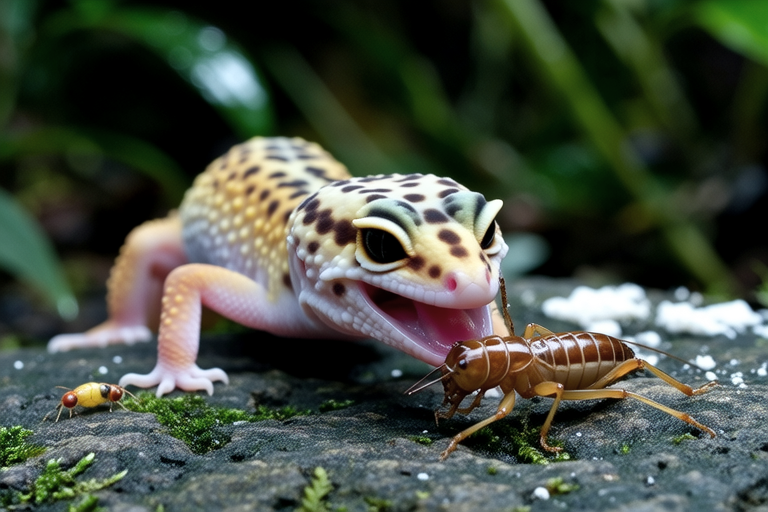
Leopard Gecko Diet Decoded: What They Eat and Why
Leopard geckos are one of the most popular pet reptiles due to their docile nature and relatively low maintenance requirements. These charming creatures, native to the arid regions of Afghanistan, Pakistan, India, and Iran, have become a favorite among reptile enthusiasts. Understanding what leopard geckos eat and why they need certain foods is essential for their health and longevity.
Understanding Leopard Gecko Dietary Needs
Leopard geckos are insectivores, meaning their diet primarily consists of insects. Their digestive systems are designed to process high-protein meals efficiently, making them thrive on a variety of live prey items. A balanced diet ensures that your gecko receives all necessary nutrients, promoting healthy growth, vibrant coloration, and overall well-being.
The Types of Food Leopard Geckos Consume
Crickets
Crickets are a staple in the leopard gecko’s diet. They are rich in protein, which is vital for muscle development and overall body function. Crickets also provide calcium, which is crucial for bone health. However, it’s important to ensure that the crickets are appropriately sized for your gecko; too large, and they can pose choking hazards.
Mealworms
Mealworms offer a different set of benefits. They are lower in fat compared to crickets and higher in chitin, which can help maintain the gecko’s intestinal health. Despite this, mealworms should be fed sparingly, as they lack sufficient calcium. Overfeeding mealworms can lead to metabolic bone disease (MBD) due to their calcium-to-phosphorus ratio.
Waxworms
Waxworms are often used as a treat due to their high-fat content. While they provide a delicious snack for your gecko, they should be given sparingly. Excessive consumption can lead to obesity and related health issues. Waxworms are best reserved for special occasions or when your gecko requires additional energy.
Gut-Loading Feeder Insects
Gut-loading is the practice of feeding nutritious foods to feeder insects before offering them to your gecko. This process enhances the nutritional value of the prey items. For example, providing crickets with a diet rich in vitamins and minerals ensures that your gecko benefits from these nutrients when consuming the crickets. Gut-loading can include vegetables, fruits, and commercial gut-load supplements.
Supplementation
Supplementing your gecko’s diet is essential to ensure they receive all necessary nutrients. Calcium and vitamin D3 are particularly important. Calcium helps prevent MBD, while vitamin D3 aids in calcium absorption. Dusting feeder insects with a calcium supplement at every feeding and a multivitamin once or twice a week is recommended. However, over-supplementation can lead to toxicity, so it’s crucial to follow guidelines carefully.
Hydration Methods for Leopard Geckos
Despite being desert-dwelling animals, leopard geckos require access to water. Providing a shallow dish of clean water is essential. Some geckos may drink directly from the water dish, while others lick droplets of water off the sides of their enclosure. Humidity levels should be kept low, but misting the tank occasionally can help stimulate drinking behavior.
Tips on Portion Control and Feeding Frequency
Maintaining the right balance in portion size and feeding frequency is key to keeping your gecko healthy. Younger geckos generally require more frequent feedings, typically two to three times per week, depending on their age and size. Adult geckos usually need to be fed once every two to three days. Monitoring your gecko’s weight and body condition will help you adjust their diet accordingly.
Common Feeding Mistakes to Avoid
Several common mistakes can negatively impact your gecko’s health:
- Overfeeding: Excessive feeding can lead to obesity and other health problems.
- Feeding inappropriate prey: Offering prey items that are too large or toxic can harm your gecko.
- Lack of supplementation: Not providing adequate calcium and vitamins can result in serious health issues.
- Inadequate hydration: Failing to provide fresh water can cause dehydration.
Avoiding these pitfalls and adhering to a proper diet is crucial for your gecko’s longevity and well-being. By understanding and implementing the correct feeding practices, you can ensure your leopard gecko enjoys a long, healthy life.
Conclusion
Leopard geckos are fascinating pets that require specific dietary care to thrive. From understanding the nutritional value of various insects to ensuring proper hydration and supplementation, there are many factors to consider. By following the guidelines outlined in this article, you can provide your gecko with a balanced and enriching diet, contributing to its overall health and happiness. Remember, a well-fed gecko is a happy gecko!
