The Evolution of Pomeranians: From Working Dogs to Royal Lapdogs
The Pomeranian, a breed that has captured hearts for centuries, has an intriguing history that spans from its origins as a larger working dog in ancient times to its current status as a cherished companion. This article delves into the breed’s evolution, highlighting key historical periods and figures that influenced its development, genetic changes over time, and the transition from functional roles to beloved pets.
Origins and Early History
The Pomeranian is believed to have originated in the region of Pomerania, which lies between the modern-day countries of Poland and Germany. Originally, these dogs were significantly larger, weighing around 30 pounds, and served as herding and guarding dogs. Their early ancestors were part of the Spitz family, a group of Nordic dogs known for their thick coats and pointed ears.
During the Middle Ages, Pomeranians were valued for their ability to herd sheep and protect livestock. They were also used as sled dogs and watchdogs. These dogs were highly adaptable and could thrive in various climates, making them valuable assets to their owners. The breed’s versatility and loyalty made them indispensable in many regions.
The Influence of Royalty
The turning point in the Pomeranian’s history came with the rise of its popularity among European royalty. One of the most influential figures in the breed’s transformation was Queen Charlotte, wife of King George III of England. She imported several Pomeranians from Pomerania and brought them to England. Her love for the breed helped popularize it among the upper classes.
However, it was Queen Victoria who truly elevated the Pomeranian to a position of prominence. In 1837, she acquired a small Pomeranian named Marco, which sparked her lifelong affection for the breed. Queen Victoria preferred smaller Pomeranians, and her influence led to the selection of smaller dogs for breeding purposes. This shift marked the beginning of the modern Pomeranian, a much smaller version of its earlier ancestors.
Genetic Changes Over Time
The genetic changes that occurred during the Pomeranian’s evolution are fascinating. Selective breeding played a crucial role in reducing the size of the breed while maintaining desirable traits such as intelligence, loyalty, and a friendly demeanor. Over time, breeders focused on producing smaller, more compact dogs with luxurious coats and expressive faces.
The introduction of other breeds, such as the Toy Fox Terrier and the Chihuahua, further contributed to the genetic diversity of the Pomeranian. These crossbreeds introduced new coat colors and patterns, enhancing the variety within the breed. Today, Pomeranians come in a wide range of colors, including orange, black, brown, cream, and sable.
Physical Characteristics and Temperament
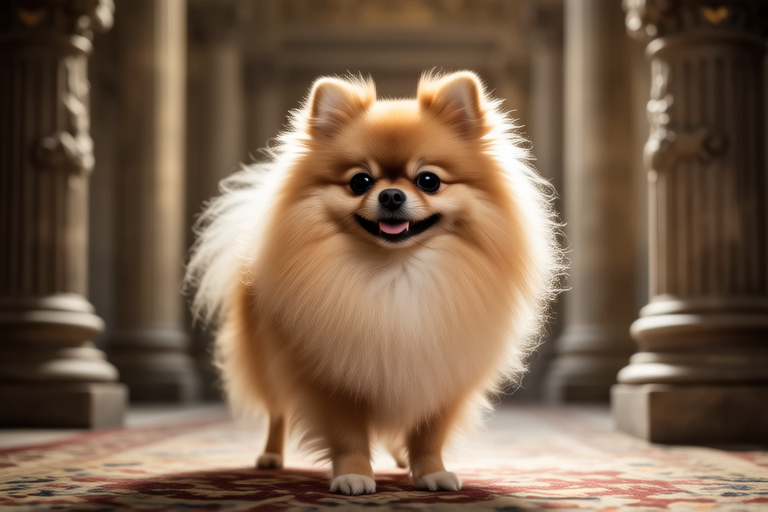
Pomeranians are small, lively dogs with a distinctive appearance. They typically weigh between 3 to 7 pounds and stand about 6 to 7 inches tall at the shoulder. Their double coat consists of a soft undercoat and a longer, harsh outer coat, which can be straight or slightly wavy. The breed’s fluffy appearance is one of its most recognizable features.
Pomeranians are known for their alert and inquisitive nature. They are intelligent and quick learners, often excelling in obedience training. Despite their small size, they are confident and assertive, sometimes displaying a stubborn streak. Their playful and affectionate nature makes them excellent companions for families and individuals alike.
Transition from Functional Roles to Cherished Companions
The transition of Pomeranians from functional roles to cherished companions reflects broader societal changes. As agriculture became less reliant on animal labor, the need for working dogs diminished. At the same time, there was an increasing appreciation for smaller, more manageable pets that could live comfortably in urban environments.
The rise of the middle class and improved living conditions also contributed to the growing popularity of companion animals. Pomeranians, with their charming personalities and adaptability, fit well into this trend. They became popular pets for people of all social classes, not just royalty.
Enduring Popularity Among Pet Owners
Pomeranians remain popular among pet owners today due to their numerous positive attributes. Their small size makes them suitable for apartment living, and their energetic nature ensures they stay active indoors. They are also relatively easy to train, making them ideal for first-time dog owners.
Moreover, Pomeranians have a long lifespan, typically living between 12 to 16 years. This longevity allows owners to form deep bonds with their pets over many years. The breed’s adaptability and affectionate nature make them excellent companions for children and adults alike.
Myths and Misconceptions About the Breed
Despite their popularity, there are several myths and misconceptions surrounding Pomeranians. One common myth is that they are hypoallergenic. While some people may experience fewer allergic reactions to Pomeranians due to their non-shedding undercoat, they are not completely hypoallergenic. Regular grooming and vacuuming can help reduce allergens in the home.
Another misconception is that Pomeranians are aggressive or yappy. While some individuals may display these behaviors, proper socialization and training can mitigate them. Early exposure to different people, animals, and environments helps Pomeranians develop into well-rounded, friendly dogs.
Proper Care and Understanding of Pomeranians
To ensure the health and happiness of Pomeranians, owners must provide proper care. Regular grooming is essential to maintain their luxurious coats. Brushing should be done at least twice a week to prevent matting and tangling. Professional grooming every six to eight weeks is recommended to keep their coats in top condition.
Pomeranians require moderate exercise to stay healthy and happy. Daily walks and playtime are necessary to keep them physically and mentally stimulated. Mental stimulation through puzzle toys and training sessions can also help prevent boredom and destructive behavior.
Diet is another important aspect of Pomeranian care. A balanced diet rich in protein, vitamins, and minerals is essential for their overall health. Owners should consult with a veterinarian to determine the appropriate amount and type of food for their Pomeranian based on age, weight, and activity level.
Vaccinations and regular veterinary check-ups are crucial for preventing diseases and ensuring the well-being of Pomeranians. Common health issues include dental problems, luxating patellas, and hypothyroidism. Early detection and treatment can help manage these conditions effectively.
Conclusion
The evolution of Pomeranians from their origins as larger working dogs to the beloved lapdogs of royalty is a testament to the breed’s adaptability and charm. Through selective breeding and changing societal preferences, the Pomeranian has become a cherished companion for millions of people worldwide. By understanding their history, physical characteristics, and proper care requirements, owners can ensure that their Pomeranians lead happy, healthy lives.
