British Shorthair Silver: A Cat Breed Beyond Compare
The British Shorthair silver variant is a breed of cat that has captured the hearts of many cat enthusiasts with its unique charm and rich history. This article delves into the distinct physical attributes, temperament, grooming needs, health considerations, and origin of the British Shorthair silver, offering insights for potential owners and lovers of this extraordinary breed.
Introduction to the British Shorthair Silver
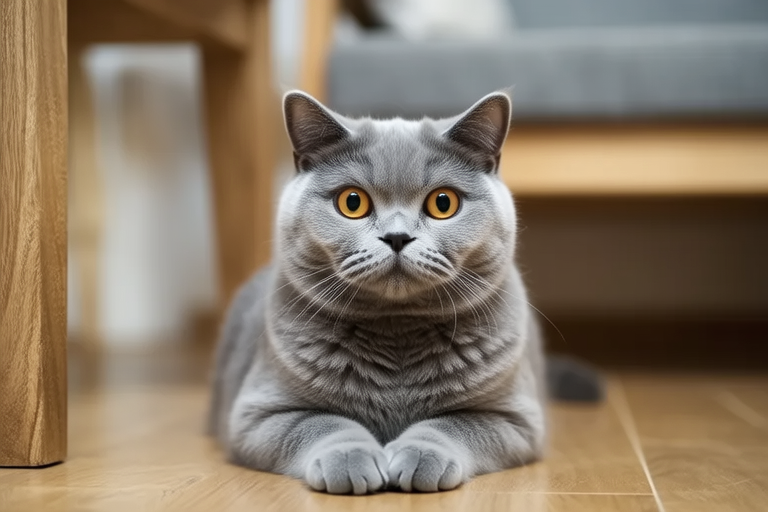
The British Shorthair silver variant is a breed of cat known for its distinct physical attributes and unique charm. With a thick, plush coat that comes in a variety of colors, including the striking silver, this breed is a favorite among cat lovers. The silver coat, which is often accompanied by a darker shade around the ears and tail, gives the British Shorthair a regal appearance. Their large, round eyes, typically copper or gold in color, add to their majestic look. The breed is also known for its robust build, with a broad chest and powerful limbs, making them appear strong and sturdy.
Temperament and Suitability as a Family Pet
The British Shorthair silver is renowned for its calm and gentle demeanor, making it an ideal choice for families with children or homes with other pets. These cats are known for their patience and tolerance, which means they can handle the roughhousing that sometimes accompanies playtime with children. They are also highly adaptable, easily fitting into new environments and routines. Their friendly nature extends to other animals, making them good companions for dogs and other cats.
Grooming Needs and Health Considerations
Grooming the British Shorthair silver is relatively simple due to their short, dense coats. Regular brushing helps to remove loose hair and prevent matting, while baths are rarely necessary unless the cat gets particularly dirty. Despite their low-maintenance grooming needs, owners should be aware of certain health considerations specific to this breed. Common issues include obesity, heart disease, and respiratory problems. Regular veterinary check-ups and a balanced diet can help mitigate these risks. The average lifespan of a British Shorthair silver is between 12 to 17 years.
Origins and Evolution of the British Shorthair Silver
The British Shorthair silver has a rich history dating back to ancient times. Originating from the British Isles, these cats were initially bred for their hunting abilities. Over time, they became popular pets among the upper classes, and their popularity grew during the Victorian era. The breed has evolved significantly since then, with modern breeding focusing on enhancing their physical attributes and temperament. Notable roles in literature and media have helped to solidify the British Shorthair’s place in popular culture, including appearances in children’s books and animated films.
Advice for Potential Owners
For those considering adopting a British Shorthair silver, there are several factors to keep in mind. Training these cats is generally straightforward, as they are intelligent and respond well to positive reinforcement. A balanced diet is essential for maintaining their health and longevity, so owners should consult with a veterinarian to determine the best food options. Finding a reputable breeder is crucial to ensure that the cat comes from healthy parents and has been properly socialized. Potential owners can look for breeders who are members of recognized cat associations and have a good reputation within the community.
In conclusion, the British Shorthair silver is a breed of cat that offers much more than just physical beauty. With their charming personalities, adaptability, and suitability as family pets, these cats are sure to bring joy and companionship to any home. Whether you’re a seasoned cat owner or considering adding your first feline friend to your household, the British Shorthair silver is a breed worth exploring. By understanding their unique needs and characteristics, potential owners can provide the best possible care for these extraordinary cats.
