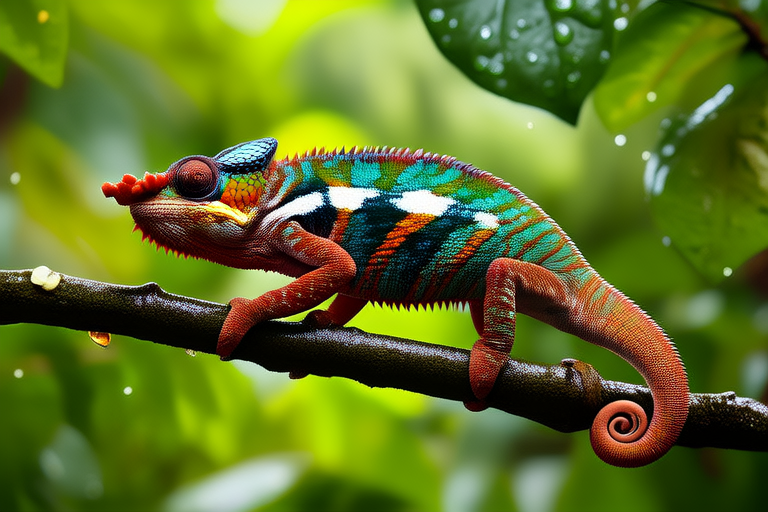
Chameleon Care: Essential Tips for First-Time Owners
Welcome to the fascinating world of chameleons! These captivating creatures are known for their ability to change colors, but they also have unique needs that make them a rewarding yet challenging pet for first-time owners. Chameleons are solitary, arboreal reptiles that require specific environmental conditions to thrive. This guide will help you understand these needs and provide essential tips for creating a healthy and happy home for your new chameleon.
Habitat Setup
Tank Size
The first step in setting up your chameleon’s home is choosing the right enclosure. Chameleons need vertical space to climb, so a tall tank is preferable. For a young chameleon, a 20-gallon tank might suffice, but as they grow, you’ll need a larger space. An adult panther chameleon, for example, requires at least a 4′ x 2′ x 4′ (length x width x height) enclosure. Always consider the species-specific needs of your chameleon when determining tank size.
Lighting Requirements
Chameleons require both UVB and UVA light to synthesize vitamin D3 and maintain their overall health. A high-quality UVB bulb should be placed at one end of the enclosure to simulate sunlight. Replace the bulb every six months, even if it still appears functional, as UV output diminishes over time. Additionally, a basking spot with a heat lamp is necessary to provide warmth and encourage activity. The basking spot should reach between 90-100°F during the day, while the rest of the tank should be cooler.
Temperature Control
Maintaining the correct temperature gradient within the tank is crucial. Use thermometers and hygrometers to monitor temperatures and humidity levels. Nighttime temperatures can drop slightly, but avoid letting the temperature fall below 65°F. Chameleons are ectothermic, meaning they rely on external sources to regulate their body temperature, so providing a range of temperatures allows them to thermoregulate effectively.
Diet Specifics
Insects
Chameleons primarily eat insects, such as crickets, dubia roaches, and silkworms. It’s important to feed your chameleon a variety of prey items to ensure a balanced diet. Gut-loading insects is a common practice; this involves feeding insects nutritious foods before offering them to your chameleon. This ensures your pet gets the maximum nutritional benefit from each meal.
Hydration Methods
Chameleons obtain most of their water intake from the dew and raindrops on leaves. In captivity, you can replicate this by misting the enclosure several times a day or using a drip system. Some chameleons may drink directly from a shallow dish, but it’s best to encourage natural drinking behaviors. Monitor your chameleon’s hydration by checking the condition of its skin and ensuring regular shedding.
Common Health Issues and Preventive Care
Metabolic Bone Disease (MBD)
One of the most common health issues in chameleons is metabolic bone disease, which occurs due to calcium deficiency. To prevent MBD, ensure your chameleon has access to a calcium supplement. Dust their food with calcium powder once or twice a week, depending on the age and size of your chameleon. Regular veterinary check-ups can help catch any signs of MBD early.
Respiratory Infections
Improper humidity levels can lead to respiratory infections. Keep humidity levels between 50% and 70%, and ensure good air circulation within the enclosure. Signs of a respiratory infection include wheezing, labored breathing, or discharge around the nose and mouth. If you notice these symptoms, consult a veterinarian immediately.
Handling and Bonding with Your Chameleon
Chameleons are not social animals like dogs or cats, and they do not enjoy being handled frequently. However, there are ways to interact with your chameleon without stressing them out. Approach them slowly and gently, and always support their body when handling. Limit handling sessions to short periods, and never grab your chameleon by the tail, as this can cause injury.
To bond with your chameleon, spend time observing them in their environment. Watching them move around, eat, and bask can be fascinating and rewarding. You can also introduce a second chameleon, but only if you’re prepared to house them separately, as chameleons are solitary animals and introducing another can lead to stress or aggression.
By following these guidelines, you can provide your chameleon with a comfortable and enriching environment. Remember, each chameleon is unique, so pay attention to your pet’s individual needs and preferences. With proper care and attention, your chameleon can live a long and healthy life.
