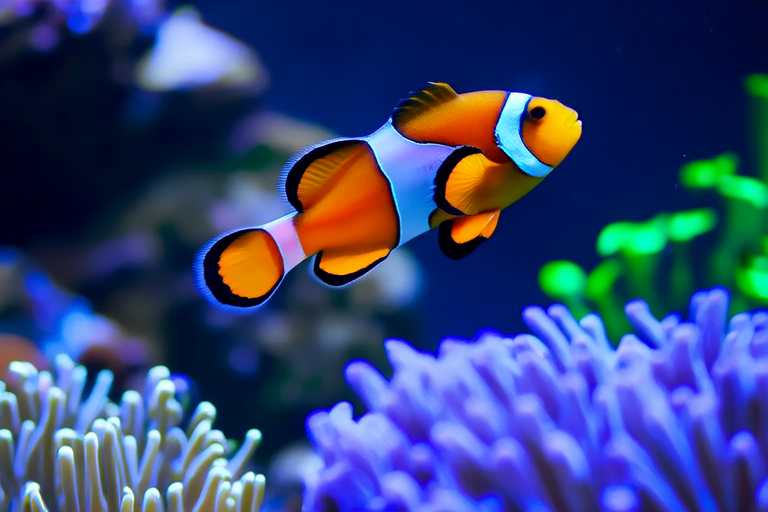
The Colorful Secrets of Keeping a Happy Clownfish at Home
Clownfish are some of the most beloved creatures in the ocean, known for their vibrant colors and quirky personalities. These fish have captured the hearts of aquarium enthusiasts worldwide, thanks in part to their starring role in the animated film Finding Nemo. But keeping these beautiful creatures happy and healthy requires more than just a tank and some food. This guide will help you understand the colorful secrets of maintaining a thriving clownfish habitat, providing essential information for both beginners and experienced aquarists.
Understanding Clownfish Species
There are about 30 recognized species of clownfish, each with its own unique coloration and patterns. The most popular species for home aquariums include the Ocellaris clownfish (Amphiprion ocellaris), the Percula clownfish (Amphiprion percula), and the Tomato clownfish (Amphiprion frenatus). Each species has distinct characteristics that make them suitable for different types of aquarium setups.
- Ocellaris Clownfish: Known for its bright orange body with white stripes, this species is often mistaken for the Percula clownfish. It is more adaptable and easier to care for, making it an excellent choice for beginners.
- Percula Clownfish: Similar in appearance to the Ocellaris, the Percula clownfish has slightly thinner stripes and a more vibrant red color. It is more sensitive to water parameters but can thrive in a well-maintained tank.
- Tomato Clownfish: This species boasts a deep red color with white stripes. It is hardier than the Ocellaris and Percula, making it a good choice for those who want a more robust clownfish.
Ideal Tank Setup
To keep your clownfish happy and healthy, it’s crucial to create an environment that mimics their natural habitat as closely as possible. A well-planned tank setup can significantly contribute to their overall well-being.
Tank Size
For a single pair or small group of clownfish, a minimum tank size of 30 gallons is recommended. However, larger tanks offer more swimming space and better stability in water parameters. If you plan to house multiple clownfish species or other marine life, consider a 55-gallon tank or larger.
Water Parameters
Clownfish are tropical fish that prefer warm waters. Maintain a temperature between 76°F and 82°F (24°C to 28°C) and ensure the pH level stays between 8.1 and 8.4. Ammonia and nitrite levels should be kept at zero, while nitrate levels should be below 20 ppm. Regular water testing and partial water changes are essential to maintaining these conditions.
Decorations and Hiding Spots
Clownfish love to hide and explore their surroundings. Incorporate live rock, coral, and other decorations to create a complex and stimulating environment. Anemones are particularly important, as they form a symbiotic relationship with clownfish in the wild. While it’s challenging to maintain anemones in captivity, providing alternative hiding spots such as PVC pipes or ceramic caves can satisfy their need for security.
Diet
Clownfish are omnivorous, meaning they eat both plant and animal matter. In the wild, they feed on algae, zooplankton, and small crustaceans. In captivity, a balanced diet consisting of high-quality flake foods, pellets, frozen or freeze-dried foods like brine shrimp, and occasional blanched vegetables will keep them healthy.
It’s essential to vary their diet to ensure they receive all necessary nutrients. Feed your clownfish twice daily, offering small portions that they can consume within a few minutes. Overfeeding can lead to poor water quality and health issues.
Tank Mates Compatibility
Clownfish can coexist with various tank mates, but it’s crucial to choose compatible species carefully. Clownfish are generally peaceful and can get along with other non-aggressive fish. However, they may become territorial if housed with other clownfish or similar-looking species. Here are some suitable tank mates:
- Peaceful bottom-dwelling fish, such as gobies and blennies
- Non-aggressive wrasses and tangs
- Small, docile shrimp and crabs
Avoid housing clownfish with aggressive or predatory fish, such as lionfish or triggerfish. Additionally, clownfish should not be kept with overly active fish that may stress them out.
Common Health Issues
Like any living creature, clownfish can experience health problems. Early detection and prompt treatment are key to maintaining their well-being. Some common health issues include:
Ich (White Spot Disease)
This parasitic infection causes small white spots on the fish’s body. Ich is highly contagious and can spread rapidly throughout the tank. Quarantine new additions and treat affected fish with appropriate medications.
Bacterial Infections
Symptoms of bacterial infections include fin rot, ulcers, and lethargy. Maintaining optimal water quality and a nutritious diet can prevent many bacterial infections. If your clownfish shows signs of illness, consult a veterinarian specializing in marine life for diagnosis and treatment.
Stress-Related Issues
Stress can weaken clownfish’s immune systems, making them more susceptible to diseases. Ensure proper tank conditions, avoid overcrowding, and minimize handling to reduce stress.
Tips for Ensuring Their Happiness and Longevity
Creating a happy and long-lived environment for your clownfish involves more than just providing the right water conditions and diet. Here are some additional tips to help your clownfish thrive:
Regular Maintenance
Perform weekly water changes of about 10-20% to remove waste and toxins. Clean filters and decorations regularly to prevent the buildup of harmful substances. Monitor water parameters closely and address any issues promptly.
Provide Mental Stimulation
Clownfish are curious and intelligent creatures that benefit from mental stimulation. Offer puzzle feeders, floating toys, and rearrange tank decorations periodically to keep them engaged.
Encourage Natural Behavior
Allow your clownfish to exhibit natural behaviors by providing ample swimming space and hiding spots. Avoid overstocking the tank, which can limit their ability to swim freely and explore.
Monitor Social Dynamics
If you’re housing multiple clownfish, observe their interactions closely. Some species may establish a hierarchy, while others may remain peaceful. Separate individuals if aggression becomes a problem.
Conclusion
Keeping a happy clownfish at home is a rewarding endeavor that requires attention to detail and a commitment to their well-being. By understanding their species-specific needs, creating an ideal tank setup, providing a balanced diet, and choosing compatible tank mates, you can ensure your clownfish lead long, healthy lives. Remember, the vibrant colors and playful personalities of these fascinating creatures are a testament to the beauty and diversity of marine life. With the right care and attention, your clownfish will bring joy and wonder to your home for years to come.
