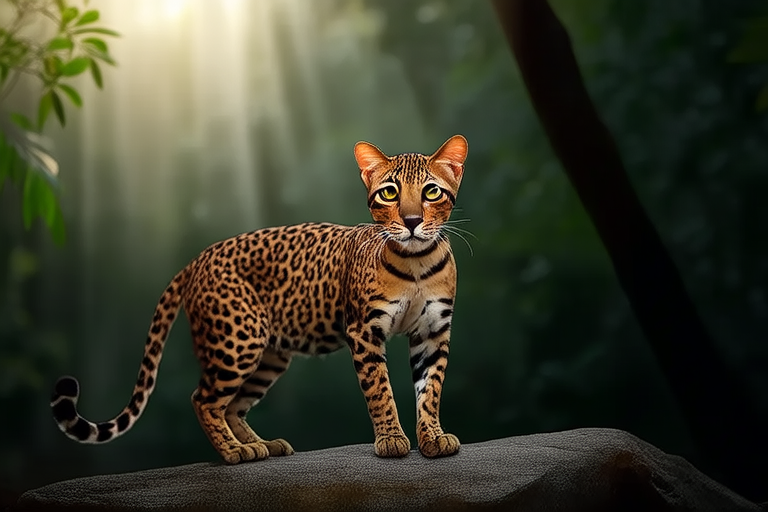
Unleashing the Wild: The Majestic Bengal Cat
The Bengal cat, with its striking appearance and spirited demeanor, has captured the hearts of cat lovers worldwide. This breed, a harmonious blend of wild and domestic, offers an intriguing glimpse into the world of feline hybrids. Originating from the crossing of Asian leopard cats and domestic cats, the Bengal cat combines the elegance of its wild ancestors with the affectionate nature of its domestic counterparts. In this article, we will explore the unique origins, physical traits, and behaviors of the Bengal cat, delve into the history of their breeding, and provide essential tips for potential owners.
Origins and Characteristics
The Bengal cat’s journey began in the early 1960s when breeders sought to create a domestic cat that retained the beauty and grace of its wild relatives. By crossing the small, spotted Asian leopard cat with domestic shorthair cats, they laid the foundation for what would become one of the most popular and beloved breeds today. The result is a medium to large-sized cat, typically weighing between 8 to 15 pounds, with a sleek, muscular build that exudes agility and strength.
Bengal cats are easily recognizable by their distinctive coat patterns, which can range from rosettes, resembling those found on leopards, to marbling, reminiscent of clouded leopards. Their coats come in various colors, including brown, snow, and silver, adding to their exotic allure. One of the most striking features of the Bengal cat is its large, expressive eyes, which often appear to glow with an almost supernatural intensity. These eyes can be green, gold, or even blue, depending on the cat’s genetic makeup.
Despite their wild appearance, Bengal cats are fully domesticated and make wonderful companions. They are known for their playful and curious nature, often engaging in activities that showcase their intelligence and athleticism. Bengal cats love to climb, jump, and explore, making them ideal candidates for households with tall furniture or cat trees. Their energy levels can sometimes be compared to that of a small dog, requiring plenty of stimulation and interaction.
The History of Breeding
The history of Bengal cats is a testament to the ingenuity and dedication of breeders who have worked tirelessly to refine and enhance the breed over several decades. The first successful crossbreeding between an Asian leopard cat and a domestic cat was achieved by Jean Mill, an American breeder, in the early 1960s. However, it wasn’t until the late 1970s that the Bengal cat gained significant attention within the feline community.
In 1983, the International Cat Association (TICA) officially recognized the Bengal cat as a breed, paving the way for further development and acceptance. Over the years, breeders have focused on improving the breed’s temperament while maintaining its stunning physical attributes. Today, Bengal cats are bred to be friendly, outgoing, and highly interactive, making them a popular choice for families and individuals seeking an adventurous companion.
One of the key milestones in the history of Bengal cats was the establishment of breeding standards that emphasize both physical and behavioral qualities. These standards ensure that each generation of Bengal cats is healthy, well-adjusted, and representative of the breed’s unique characteristics. Breeders work diligently to maintain genetic diversity, ensuring that each litter brings something new and exciting to the table.
Caring for a Bengal Cat
For potential owners considering adopting a Bengal cat, understanding the specific care requirements of this breed is crucial. Bengals are active, intelligent animals that thrive on mental and physical stimulation. Providing them with a stimulating environment filled with toys, scratching posts, and climbing structures can help keep them engaged and happy.
Dietary needs are another important aspect of Bengal cat care. Like all cats, Bengal cats require a balanced diet rich in protein, fats, and essential nutrients. High-quality commercial cat foods designed for active breeds are often recommended, but some owners may opt for a raw diet under the guidance of a veterinarian. Regardless of the chosen diet, it’s essential to monitor your cat’s weight and adjust feeding amounts accordingly.
Exercise is vital for maintaining the health and happiness of a Bengal cat. Regular play sessions using interactive toys, laser pointers, or even simple fetch games can help burn off excess energy and prevent behavioral issues. Additionally, providing access to outdoor spaces, if safe and secure, can offer additional opportunities for physical activity and exploration.
Socialization plays a critical role in shaping the behavior of Bengal cats. Early exposure to different people, environments, and other pets can help them develop into confident and well-adjusted adults. Consistent positive reinforcement training can also teach your Bengal cat desirable behaviors and strengthen your bond.
Why Bengal Cats Make Exceptional Companions
Beyond their striking appearance and playful personalities, Bengal cats offer much more than just companionship. They are intelligent, curious, and deeply affectionate, forming strong bonds with their human families. Bengal cats often exhibit a unique ability to communicate their needs and desires, making them intuitive and responsive companions.
Their adaptability to various living situations makes them suitable for a wide range of households. Whether you live in a bustling city apartment or a spacious rural home, a Bengal cat can find joy in its surroundings. However, it’s important to remember that Bengal cats are not for everyone. Their high energy levels and need for constant stimulation mean they are best suited for households where they can receive ample attention and engagement.
Ultimately, the decision to adopt a Bengal cat should be based on a thorough understanding of the breed’s needs and characteristics. For those who are prepared to provide the love, care, and attention that a Bengal cat requires, these majestic creatures can become cherished members of the family, offering years of joy, companionship, and unforgettable moments.
