How to Care for Your Water Monitor Like a Pro
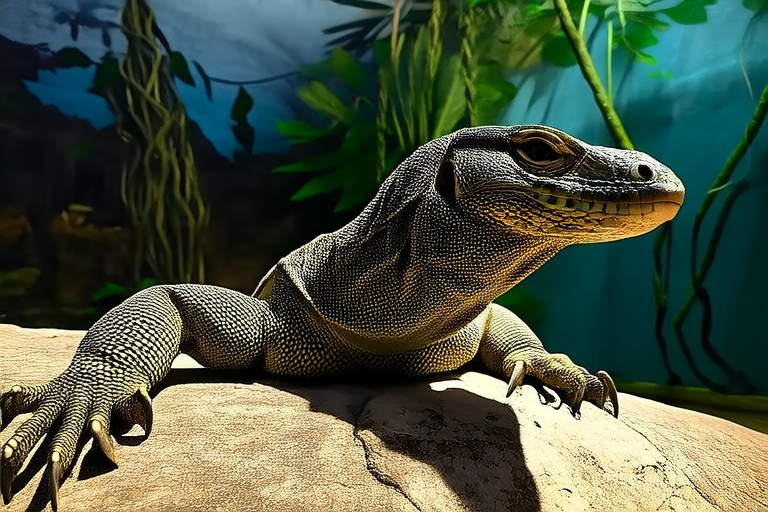
Water monitors (Varanus salvator) are among the most impressive reptiles in the world. Known for their agility, intelligence, and impressive size, these lizards make fascinating pets for experienced reptile enthusiasts. However, they require specialized care and a deep understanding of their needs. This guide will provide you with everything you need to know to care for your water monitor like a pro.
Proper Housing Setup
Housing Size
One of the most critical aspects of water monitor care is providing an appropriate enclosure. Water monitors are active and require ample space to move around. A minimum enclosure size of 6 feet long, 4 feet wide, and 6 feet high is recommended for an adult monitor. The enclosure should be large enough to allow the lizard to stretch out fully and move around comfortably. For hatchlings, a smaller tank can suffice initially, but it’s essential to upgrade to a larger enclosure as the monitor grows.
Environmental Specifics
Water monitors are semi-aquatic, meaning they spend part of their time in water and part on land. Therefore, their enclosure should mimic their natural habitat. Start by creating a deep water area that allows the monitor to swim comfortably. The depth should be at least twice the length of the monitor. Use a filtration system to maintain clean water, and ensure the water temperature stays between 82°F and 86°F (28°C to 30°C).
The land area should have a basking spot where the temperature reaches 95°F to 100°F (35°C to 38°C). Provide UVB lighting to promote calcium absorption and overall health. The humidity level should be kept between 70% and 80%, which can be achieved through regular misting or using a humidifier.
Diet and Feeding Schedules
Food Variety
Water monitors are opportunistic feeders with a diverse diet in the wild. In captivity, they should be provided with a balanced diet that includes a variety of prey items. Suitable food options include mice, rats, chicks, fish, crickets, mealworms, and earthworms. Avoid feeding them raw meat from the grocery store, as it can cause digestive issues.
Feeding Frequency
Younger water monitors should be fed daily, while adults can be fed every two to three days. It’s crucial to monitor the lizard’s weight and adjust feeding frequency accordingly. Overfeeding can lead to obesity, while underfeeding can result in malnutrition. Always offer fresh, clean water in a shallow dish, and ensure the water is changed daily.
Health Care Tips and Common Illnesses
Regular Checkups
Water monitors are generally hardy animals, but they can develop health issues if not cared for properly. Regular veterinary checkups are essential to catch any potential problems early. Look for signs of illness, such as lethargy, loss of appetite, discharge from the eyes or nose, or difficulty breathing. If you notice any of these symptoms, consult a veterinarian specializing in reptiles immediately.
Common Health Issues
Respiratory infections are one of the most common health issues in water monitors. They can be caused by poor ventilation, low humidity, or exposure to cold temperatures. Symptoms include wheezing, nasal discharge, and labored breathing. To prevent respiratory infections, ensure the enclosure has proper airflow and maintain the recommended humidity levels.
Another common issue is metabolic bone disease (MBD), which occurs when the lizard does not get enough calcium or vitamin D3. This can lead to soft bones, difficulty moving, and seizures. Providing a balanced diet and ensuring adequate UVB lighting can help prevent MBD.
Handling and Socialization Techniques
Safe Handling Practices
Water monitors have strong jaws and sharp claws, making them potentially dangerous if mishandled. Always handle your monitor with care and respect. When picking up your monitor, approach slowly and gently. Support its body fully, and avoid grabbing it by the tail, as this can cause injury. Allow the monitor to become comfortable with you before attempting to handle it frequently.
Socialization
Water monitors are intelligent and can form bonds with their owners. Spend time with your monitor regularly, offering treats and gentle interactions. This will help build trust and make handling easier. However, remember that each monitor is unique, and some may never become entirely comfortable with handling.
Enrichment Activities
Mental Stimulation
Providing mental stimulation is just as important as physical exercise for water monitors. Enrichment activities can help prevent boredom and promote healthy behavior. Offer your monitor various objects to explore, such as branches, logs, and rocks. Rotate these items periodically to keep the environment interesting. You can also introduce new scents or sounds to stimulate their senses.
Physical Exercise
Water monitors are highly active and benefit from opportunities to exercise. Encourage swimming by providing a deep water area and allowing your monitor to swim freely. Additionally, create climbing structures within the enclosure to encourage movement and exploration. Ensure all structures are stable and secure to prevent accidents.
Actionable Advice and Harmful Practices
Always prioritize the well-being of your water monitor. Avoid practices that could harm the animal, such as overhandling, exposing it to extreme temperatures, or keeping it in an undersized enclosure. Instead, focus on providing a stimulating, enriching environment that meets all of its physical and mental needs.
Water monitors are powerful and intelligent creatures that require specialized care. By following the guidelines outlined in this article, you can ensure your water monitor lives a long, healthy, and happy life. Remember that each monitor is unique, so pay close attention to its individual needs and adjust care as necessary.
