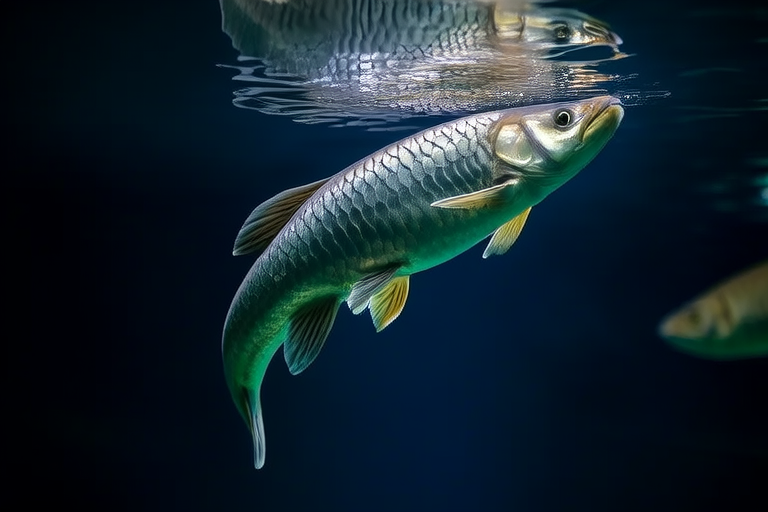
From Rivers to Tanks: Everything You Need to Know About Keeping Arowana
The Arowana is a majestic fish species known for its striking appearance and fascinating behavior. These freshwater giants are native to the rivers and wetlands of Asia, Africa, and South America. In the wild, Arowanas can grow up to six feet in length, making them one of the largest freshwater fish species. Their popularity among aquarium enthusiasts stems from their unique appearance, intelligence, and longevity. In this article, we will explore everything you need to know about keeping Arowana, from understanding their natural habitat to setting up an ideal tank environment.
An Introduction to Arowana Species
Arowanas belong to the family Osteoglossidae and are divided into several species, each with its own distinct characteristics. The most popular species kept in aquariums include the Asian Arowana (Scleropages formosus), the African Arowana (Heterotis niloticus), and the Silver Arowana (Osteoglossum bicirrhosum). Each species has its own set of care requirements, so it’s important to research thoroughly before deciding which type of Arowana to keep.
Natural Habitats and Adaptation to Aquarium Life
In their natural habitats, Arowanas thrive in slow-moving rivers, swamps, and floodplains. They are highly adaptable and can tolerate varying water conditions, but these factors must be carefully replicated in an aquarium setting. Arowanas are known for their ability to leap out of the water, a behavior that serves them well in the wild when capturing prey or avoiding predators. This makes it essential to cover your aquarium to prevent any accidents.
Different Types of Arowana and Their Specific Care Requirements
Asian Arowana (Scleropages formosus)
The Asian Arowana, also known as the Dragon Fish, is one of the most sought-after species due to its vibrant colors and cultural significance. It requires a large tank, typically at least 240 gallons for adults, and prefers warm, slightly acidic water with a pH between 6.5 and 7.0. Regular water changes and high-quality filtration are crucial to maintain optimal water quality.
African Arowana (Heterotis niloticus)
The African Arowana is less commonly found in home aquariums, but it is gaining popularity due to its robust nature. It thrives in larger bodies of water and needs a tank size of around 300 gallons. The water temperature should be maintained between 75°F and 82°F, and the pH should be slightly alkaline, ranging from 7.0 to 8.0.
Silver Arowana (Osteoglossum bicirrhosum)
The Silver Arowana is one of the largest species and can grow up to four feet in length. It requires a tank of at least 450 gallons and prefers warmer temperatures between 78°F and 82°F. The pH should be neutral to slightly acidic, between 6.5 and 7.5. Due to their size and strength, these fish require a robust filtration system to maintain water quality.
Setting Up an Appropriate Tank Environment
Tank Size
Arowanas are large, active fish that require ample space to swim. The minimum tank size for a juvenile Arowana is 120 gallons, but as they grow, they will need much larger tanks. Adult Arowanas can easily exceed three feet in length and may require tanks upwards of 400 gallons.
Water Conditions
Water quality is paramount for the health of Arowanas. Regular water changes and proper filtration are essential. Use a high-quality filter capable of handling the volume of water in your tank. Maintain the water temperature between 78°F and 82°F, and keep the pH level stable within the range suitable for your particular species.
Filtration Systems
Invest in a powerful filtration system that provides both mechanical and biological filtration. Canister filters or sump systems are often recommended for larger tanks. Additionally, consider adding a protein skimmer if you’re dealing with a heavily stocked tank.
Decorations and Substrate
Decorate your tank with sturdy plants, driftwood, and rocks to provide hiding spots and enhance the aesthetic appeal. Avoid sharp or delicate decorations that could injure your Arowana. A substrate of fine gravel or sand is preferred, as it helps prevent injuries and keeps the tank clean.
Diet and Feeding Habits
Arowanas are carnivorous and primarily feed on live or frozen foods such as feeder fish, shrimp, and worms. They have a preference for moving prey, which mimics their natural hunting behavior. For optimal nutrition, it’s best to offer a varied diet consisting of high-protein pellets, freeze-dried food, and occasional live food.
Common Health Issues, Signs of Illness, and Preventive Measures
Like all aquatic animals, Arowanas are susceptible to various health issues. Common problems include bacterial infections, fungal growth, and parasitic infestations. Early detection is key to successful treatment. Watch for signs such as lethargy, loss of appetite, abnormal swimming behavior, and physical deformities. Regular water changes and maintaining pristine water quality can help prevent many health issues.
Tank Mates and Social Behavior
Arowanas are generally solitary creatures and can be territorial, especially towards their own kind. Therefore, it’s advisable to keep only one Arowana per tank. If you decide to introduce other fish, choose large, peaceful species that won’t be seen as prey. Compatibility should always be considered carefully.
Tips for Long-Term Care and Responsibilities
Keeping an Arowana is a long-term commitment that requires dedication and responsibility. Ensure you have the resources and space for a growing fish. Regular maintenance of the tank, monitoring water parameters, and providing a balanced diet are all part of the care routine. Additionally, be prepared for the potential challenges of breeding and raising young Arowanas.
By following these guidelines, you can provide a safe and comfortable environment for your Arowana, ensuring they thrive in your aquarium. With proper care, your Arowana can become a cherished member of your aquatic family for years to come.
