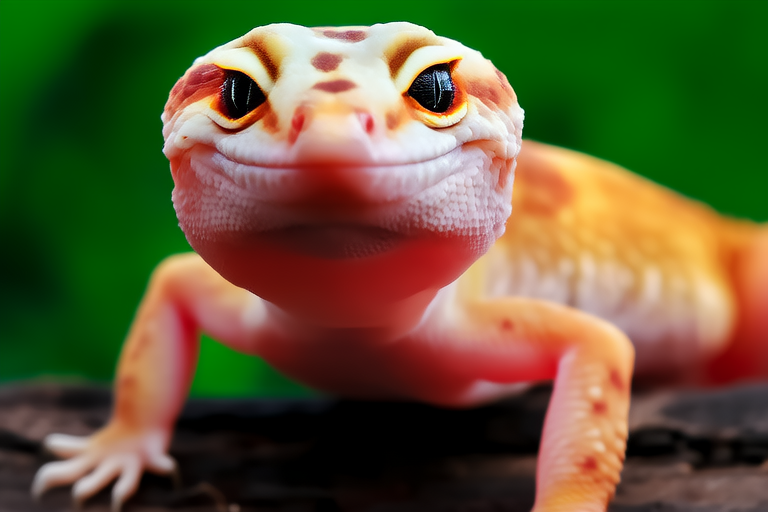
Chameleon Communication: A Fascinating World of Body Language and Color Changes
Chameleons are among the most intriguing creatures in the animal kingdom, renowned for their remarkable ability to change colors. These lizards are not only masters of disguise but also highly sophisticated communicators. Their unique characteristics make them stand out from other reptiles, offering a rich field of study for both scientists and enthusiasts alike.
The Unique Aspects of Chameleons
What sets chameleons apart is their exceptional ability to manipulate their skin pigments for various purposes. This includes altering their appearance for camouflage, temperature regulation, and communication. Chameleons have specialized cells called chromatophores, which contain different pigments. By expanding or contracting these cells, chameleons can display an array of colors and patterns. Moreover, their eyes can move independently, allowing them to observe their surroundings with a 360-degree view. This unique adaptation enables them to detect threats and potential mates without compromising their vigilance.
Interpreting Chameleon Body Language
Understanding chameleon communication requires deciphering their body language, which can be quite subtle. Below are some common postures and movements that indicate the lizard’s mood and intentions:
- Head Bobbing: This movement is often seen during courtship displays. Male chameleons bob their heads up and down to attract females. It can also serve as a territorial signal, warning other males to stay away.
- Hissing: If a chameleon feels threatened, it may hiss as a warning. This sound is produced by forcing air through its throat, creating a loud noise intended to intimidate predators.
- Leg Stroking: Another courtship behavior, leg stroking involves the male gently stroking the female’s back or sides. This gesture is part of the mating ritual and helps establish a connection between partners.
- Puffing Up: When a chameleon puffs up its body, it’s usually a sign of aggression. The lizard inflates itself to appear larger and more intimidating, especially when defending its territory.
- Retracted Tail: A tucked tail indicates submission or fear. In contrast, a fully extended tail suggests confidence and alertness.
The Science Behind Color Change
Chameleons change color primarily through the manipulation of specialized cells known as chromatophores. These cells contain different pigments that reflect light in various ways, producing the vibrant hues we see. There are three main types of chromatophores:
- Xanthophores: Contain yellow pigments.
By adjusting the size and shape of these cells, chameleons can create an almost infinite range of colors and patterns. This ability serves multiple purposes:
- Camouflage: Chameleons use color changes to blend into their environment, making them less visible to predators and prey. For example, a chameleon resting on a leaf might adopt a greenish hue to match its surroundings.
- Temperature Regulation: Darker colors absorb more heat, while lighter colors reflect it. Chameleons can change their color to regulate their body temperature, ensuring they maintain optimal conditions for survival.
- Signaling: Perhaps the most fascinating aspect of chameleon communication is their use of color to convey messages. Different colors and patterns are associated with specific moods and intentions.
Color Changes in Social Interactions
During social interactions, chameleons rely heavily on color changes to communicate with one another. Here are some examples:
- Blue and Yellow: These colors are often displayed during aggressive encounters. A chameleon showing these hues is likely trying to establish dominance or defend its territory.
- Reddish Tones: Reddish tones are commonly used in courtship displays. Males may display these colors to attract females or intimidate rivals.
- Green and Brown: Green and brown hues are frequently seen during periods of relaxation or contentment. Chameleons in these colors may be enjoying a peaceful moment in their habitat.
Mating Rituals and Defensive Strategies
Chameleons exhibit distinct color changes during mating rituals and defensive strategies:
- Mating Rituals: During courtship, male chameleons display bright, vivid colors to impress females. They may also engage in head bobbing and leg stroking to establish a connection. Females, on the other hand, may show darker colors if they’re not interested in mating.
- Defensive Strategies: When threatened, chameleons may darken their color to appear larger and more intimidating. They may also hiss or puff up their bodies to ward off potential predators.
Tips for Owners to Understand Chameleon Signals
For those who own chameleons, understanding their signals is crucial for providing proper care and building a strong bond. Here are some tips:
- Observe Regularly: Spend time observing your chameleon daily. Pay attention to its color changes, movements, and overall demeanor. Over time, you’ll begin to recognize patterns and understand what each signal means.
- Provide a Stimulating Environment: Create a habitat that mimics the chameleon’s natural environment. Include branches for climbing, plants for hiding, and appropriate lighting for basking. A stimulating environment encourages natural behaviors and promotes healthy communication.
- Be Patient: Chameleons can be shy and reserved, especially in new environments. Give your pet time to acclimate and trust you before expecting it to display its full range of behaviors.
- Respect Boundaries: While it’s important to interact with your chameleon, respect its personal space. Avoid handling it too frequently or for long periods, as this can cause stress. Instead, focus on creating a comfortable environment where your pet feels safe and secure.
- Consult Experts: If you’re unsure about your chameleon’s behavior or health, consult a veterinarian specializing in reptiles. They can provide valuable insights and help ensure your pet receives the best possible care.
In conclusion, chameleon communication is a complex and fascinating topic that offers endless opportunities for learning and discovery. By understanding the unique aspects of these lizards and interpreting their body language and color changes, we can gain valuable insights into their lives. Whether you’re a seasoned herpetologist or a curious novice, there’s always more to learn about these captivating creatures. With patience, observation, and respect, you can build a strong bond with your chameleon and enjoy the wonders of its world.
