A Comprehensive Guide to Caring for Your Gentle Giant: The Maine Coon
The Maine Coon is one of the largest domesticated breeds of cats, known for their intelligence, friendly nature, and striking appearance. Originating from the northeastern United States, these cats have a rich history and unique characteristics that make them beloved pets. This guide will provide you with all the necessary information to care for your Maine Coon, ensuring they live a healthy, happy life.
History of the Maine Coon
The exact origins of the Maine Coon are shrouded in legend, but it is widely believed that the breed developed naturally in the state of Maine, USA, where they were prized as working cats for their hunting prowess and ability to survive harsh winters. One popular myth suggests that the breed descended from long-haired cats brought over by Vikings. However, there is no concrete evidence to support this theory. More likely, they are descendants of domestic cats brought over by European settlers who interbred with local short-haired cats. By the late 1800s, the Maine Coon was a popular show cat, winning at the first organized cat show in North America in 1895. Despite their initial popularity, the breed nearly disappeared in the early 20th century, overshadowed by more exotic breeds. Fortunately, dedicated breeders worked to restore the Maine Coon’s numbers, and today they are one of the most popular cat breeds in the world.
Physical Characteristics
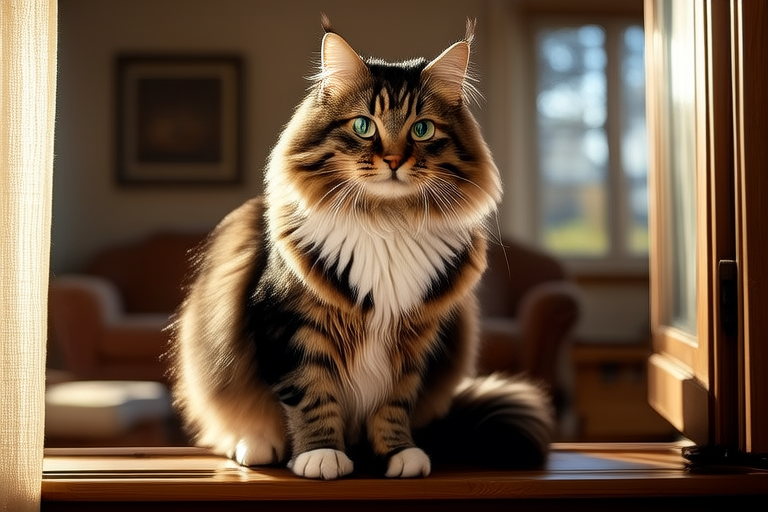
Maine Coons are easily recognizable by their large size, tufted ears, and bushy tails. Males can weigh between 13-18 pounds, while females typically range from 9-12 pounds. Their coats are thick and water-resistant, designed to protect them from cold weather. The coat comes in a variety of colors and patterns, including tabby, solid, and bi-color. One of the most distinctive features of the Maine Coon is their tufted ears, which give them an almost lynx-like appearance. Another notable feature is their large, expressive eyes, which can be green, gold, or copper in color.
Dietary Needs
Maine Coons are obligate carnivores, meaning their diet should primarily consist of animal-based proteins. High-quality commercial cat food that meets AAFCO (Association of American Feed Control Officials) standards is usually sufficient. However, some owners prefer to supplement their cat’s diet with raw meat or homemade meals, though this should only be done under the guidance of a veterinarian. It’s important to ensure your Maine Coon gets enough taurine, an amino acid crucial for heart and eye health. Fresh water should always be available. Avoid feeding your cat foods that are harmful to cats, such as chocolate, onions, garlic, and caffeine. Overfeeding can lead to obesity, which may cause various health issues. Consult your veterinarian for personalized dietary advice based on your cat’s age, weight, and activity level.
Grooming Requirements
Despite their long, luxurious coats, Maine Coons are relatively easy to groom. They have a tendency to shed seasonally, so regular brushing helps to remove loose fur and prevent matting. A weekly session with a slicker brush or comb is usually sufficient, but during shedding seasons, you may need to increase the frequency. Bathing should be kept to a minimum, as Maine Coons are generally clean animals and frequent baths can strip their coat of natural oils. If bathing is necessary, use a gentle, pH-balanced shampoo specifically formulated for cats. Pay special attention to their ears, cleaning them gently with a cotton ball and a veterinarian-approved ear cleaner if needed. Nail trimming is also important to maintain hygiene and comfort. Use cat-specific nail clippers and trim only the sharp tip to avoid cutting the quick, which can cause bleeding and pain.
Health Concerns
While Maine Coons are generally healthy, they are prone to certain genetic conditions. Hypertrophic cardiomyopathy (HCM), a form of heart disease, is one of the most common issues. Regular veterinary check-ups, including heart screenings, can help detect HCM early. Polycystic kidney disease (PKD) is another concern, especially in certain lines of the breed. Genetic testing can identify carriers of PKD, allowing breeders to make informed decisions when selecting breeding pairs. Hip dysplasia, a condition affecting the hip joint, can also occur. Maintaining a healthy weight and providing appropriate exercise can help reduce the risk of hip dysplasia. Early detection and intervention are key to managing these conditions effectively.
Exercise Recommendations
Maine Coons are active, playful cats, but they tend to be more sedentary than many other breeds. Providing ample opportunities for exercise is important for maintaining their physical and mental health. Interactive toys, such as feather wands or laser pointers, can engage your cat’s natural hunting instincts. Puzzle feeders that require your cat to work for their food can also stimulate their minds. Climbing structures and cat trees provide vertical space for exploration and play. Encouraging your Maine Coon to play regularly will help keep them fit and prevent boredom. Remember, exercise should be tailored to your cat’s individual preferences and energy levels.
Tips for Bonding with Your Maine Coon
Maine Coons are known for their affectionate and sociable personalities, making them excellent companions. To strengthen your bond, spend quality time with your cat daily. Play sessions, cuddling, and gentle grooming can all deepen your relationship. Maine Coons enjoy being part of family activities, so include them in your daily routines whenever possible. They are intelligent and can learn tricks, which can be a fun way to interact with them. Patience and consistency are key when training your Maine Coon. Positive reinforcement techniques, such as treats and praise, work best. Always respect your cat’s boundaries and give them space when they want to be alone. Building trust and understanding will foster a strong, loving relationship.
Resources for Further Learning
There are numerous resources available for those looking to learn more about Maine Coons. Books, such as ‘The Complete Guide to Raising a Happy, Healthy Maine Coon’ by TICA (The International Cat Association), provide comprehensive information on the breed. Online forums and social media groups dedicated to Maine Coons offer a platform for sharing experiences and advice with fellow enthusiasts. Local breed clubs and cat shows can also be valuable resources for networking and gaining insights into the breed. Many veterinarians and pet stores specializing in cats have staff knowledgeable about Maine Coons who can provide guidance and answer questions. Don’t hesitate to reach out to these resources to expand your knowledge and ensure the best care for your gentle giant.
