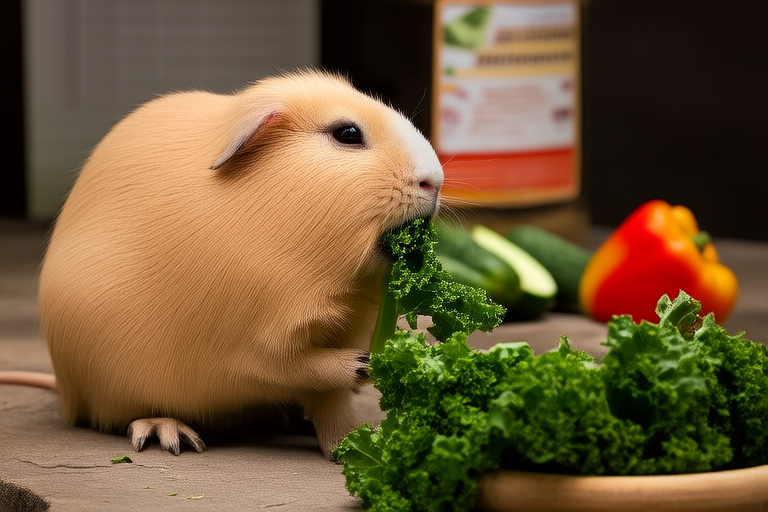
Guinea Pig Diet Guide: What Every Owner Needs to Know
Guinea pigs, also known as cavies, are delightful pets that require careful attention to their dietary needs. A well-balanced diet is crucial for their health and longevity. This guide aims to provide every guinea pig owner with the knowledge necessary to ensure their pet receives optimal nutrition.
The Importance of Hay
Hay forms the foundation of a guinea pig’s diet. It aids in dental health by helping to wear down continuously growing teeth and provides essential fiber for proper digestion. Timothy hay is most commonly recommended for adult guinea pigs, while younger cavies may benefit from alfalfa hay due to its higher calcium content. However, alfalfa should be given sparingly to adult guinea pigs to prevent overconsumption of calcium, which can lead to bladder stones.
Fresh Vegetables and Fruits
Variety is key when it comes to feeding your guinea pig fresh produce. Dark leafy greens like kale, romaine lettuce, and spinach are excellent sources of vitamins and minerals. Other suitable vegetables include bell peppers, carrots, broccoli, and cucumbers. Fruits should be offered in moderation due to their high sugar content; strawberries, apples, and blueberries are popular choices.
Introduce new vegetables and fruits gradually to monitor for any adverse reactions. Some guinea pigs may experience digestive upset or allergic responses to certain foods. Always wash produce thoroughly before offering it to your pet to remove pesticides and dirt.
Vitamin C Sources
Vitamin C is vital for guinea pigs, as they cannot synthesize it themselves. Deficiency can lead to scurvy, causing symptoms such as lethargy, swollen joints, and poor wound healing. Fresh fruits and vegetables rich in vitamin C, such as oranges, kiwi, and bell peppers, are ideal additions to their diet. Pellets fortified with vitamin C are also available but should not replace fresh produce entirely.
Appropriate Pellets
Pellets designed specifically for guinea pigs offer balanced nutrition, including proteins, fats, carbohydrates, and essential vitamins and minerals. Choose pellets with at least 18% crude protein and no more than 20% crude fat. Look for high-quality brands that list whole grains and vegetables as primary ingredients rather than fillers.
Avoid overfeeding pellets, as excessive consumption can lead to obesity and other health issues. Guinea pigs should have access to unlimited hay and a small amount of pellets daily. The recommended daily portion size is approximately one ounce per pound of body weight.
Water Intake
Guinea pigs need constant access to clean, fresh water. Dehydration can occur rapidly and lead to serious health problems. Water bottles are preferable to bowls because they keep the water cleaner and prevent spillage. Check the bottle regularly for blockages and refill it daily.
Common Feeding Mistakes and Their Impacts on Health
- Overfeeding treats: Excessive treats can lead to obesity and dental issues. Limit treats to occasional rewards.
- Inconsistent diet: Abrupt changes in diet can cause digestive upset. Gradually introduce new foods over several days.
- Lack of variety: Feeding the same food repeatedly can result in nutritional deficiencies. Rotate between different types of hay, vegetables, and fruits.
- Improper storage: Storing hay and pellets in damp conditions can promote mold growth, which is harmful to guinea pigs.
Tips for Introducing New Foods Safely
Introduce new foods gradually to monitor for any adverse reactions. Start by offering a small amount of the new food alongside familiar foods. Observe your guinea pig for signs of discomfort, such as diarrhea, vomiting, or lethargy. If no issues arise after several days, you can increase the quantity.
Maintaining a Balanced Diet
To maintain a balanced diet, follow these guidelines:
- Offer unlimited timothy hay or another appropriate type of hay.
- Provide a small amount of pellets daily.
- Include a variety of fresh vegetables and fruits, limiting fruits to once or twice a week.
- Ensure constant access to clean, fresh water.
- Monitor your guinea pig’s weight and adjust portions accordingly.
By adhering to these recommendations, you can help ensure your guinea pig enjoys a long, healthy life filled with happiness and good health.
