Rajah Cichlids: A Comprehensive Guide for Aquarium Enthusiasts
Welcome to the fascinating world of Rajah Cichlids! These captivating fish, known scientifically as Aequidens rivulatus, have been a staple in the freshwater aquarium trade for decades. With their striking appearance, unique behaviors, and specific care requirements, Rajah Cichlids offer an enriching experience for aquarists. Whether you’re a seasoned fishkeeper or a newcomer to the hobby, this guide will provide you with all the information you need to successfully maintain these vibrant creatures in your own aquarium.
Introduction to Rajah Cichlids
The Rajah Cichlid hails from the Amazon River Basin in South America, specifically found in regions like Guyana, Suriname, and French Guiana. Their natural habitat consists of slow-moving rivers, tributaries, and flooded forest areas. The waters in these regions are typically acidic, with soft and warm temperatures, making it essential to replicate these conditions when keeping Rajah Cichlids in captivity.
Unique Physical Traits
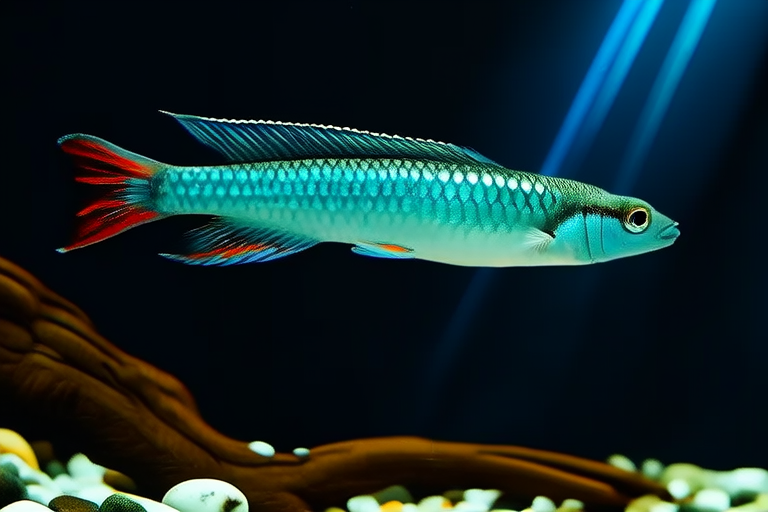
Rajah Cichlids are easily distinguishable by their robust bodies and vibrant colors. Males often exhibit a deep blue hue with orange spots scattered across their flanks, while females tend to be more muted, showcasing shades of silver and gold. One of the most striking features of Rajah Cichlids is their prominent nuchal hump, which develops as they mature. This characteristic bump on the forehead adds to their regal appearance, earning them the name “Rajah,” meaning “king” in Sanskrit.
Behavior and Dietary Preferences
These cichlids are known for their active and curious nature. In the wild, they spend much of their time scavenging for food among the riverbeds. In captivity, they can be somewhat territorial, especially during breeding periods. Providing ample hiding spots and caves within the tank can help mitigate potential conflicts.
Feeding Rajah Cichlids is straightforward. They are omnivores with a preference for protein-rich foods. A balanced diet should include high-quality pellets, flakes, and occasional live or frozen treats such as bloodworms, brine shrimp, and daphnia. Ensuring a varied diet will promote optimal health and coloration.
Setting Up the Ideal Aquarium Environment
Water Conditions
To create a thriving environment for Rajah Cichlids, it’s crucial to mimic their natural habitat. Aim for a pH range between 5.5 and 7.0, with a hardness level below 10 dGH. Maintain water temperatures between 75°F and 82°F (24°C to 28°C). Regular water changes are vital to keep the tank clean and healthy. A filtration system that provides gentle water flow and efficient biological filtration is recommended.
Tank Mates Compatibility
Rajah Cichlids are generally peaceful but can become aggressive during spawning. Therefore, it’s best to house them with similarly sized, non-aggressive species. Suitable tank mates might include other robust cichlids, large tetras, and catfish. Avoid housing them with small, timid fish that may be seen as prey.
Feeding Habits
As mentioned earlier, Rajah Cichlids are omnivorous. They require a mix of plant matter and animal proteins. High-quality commercial foods designed for cichlids are ideal. Supplement their diet with fresh vegetables like zucchini or peas, and occasional meaty treats like bloodworms or brine shrimp. Feeding should be done in small amounts, two to three times daily, to prevent overfeeding and water pollution.
Breeding Rajah Cichlids
Breeding Rajah Cichlids can be both challenging and rewarding. They reach sexual maturity around one year of age. When preparing to breed, increase the water temperature slightly to encourage spawning. Provide a suitable breeding site, such as a cave or flowerpot, where the female can lay her eggs.
The female will lay several hundred eggs, which the male will fertilize. Both parents take turns guarding the eggs until they hatch. After hatching, the fry remain attached to the substrate for a few days before becoming free-swimming. At this point, feed the fry with infusoria or commercially available fry food.
Careful monitoring is necessary during the breeding process. Ensure the water quality remains pristine, and provide plenty of hiding places to reduce stress. Patience and attention to detail are key to successfully raising Rajah Cichlid fry to adulthood.
Challenges and Rewards
While Rajah Cichlids offer a rewarding experience for dedicated aquarists, they also come with certain challenges. Their specific water parameters and dietary needs require careful management. Additionally, their territorial behavior during breeding can lead to aggression if not properly addressed.
However, the rewards of successfully maintaining and breeding Rajah Cichlids far outweigh the challenges. Watching these magnificent fish thrive in a well-maintained aquarium is incredibly satisfying. The vibrant colors and dynamic behaviors they display make them a standout addition to any freshwater aquarium.
Conclusion
Rajah Cichlids are a beautiful and intriguing species that can captivate aquarium enthusiasts with their unique characteristics and behaviors. By understanding their origins, physical traits, and specific care requirements, you can create a thriving environment for these fish. With patience and dedication, breeding Rajah Cichlids can provide an enriching experience for even the most seasoned aquarist. Embrace the challenge and enjoy the rewards of caring for these remarkable creatures.
