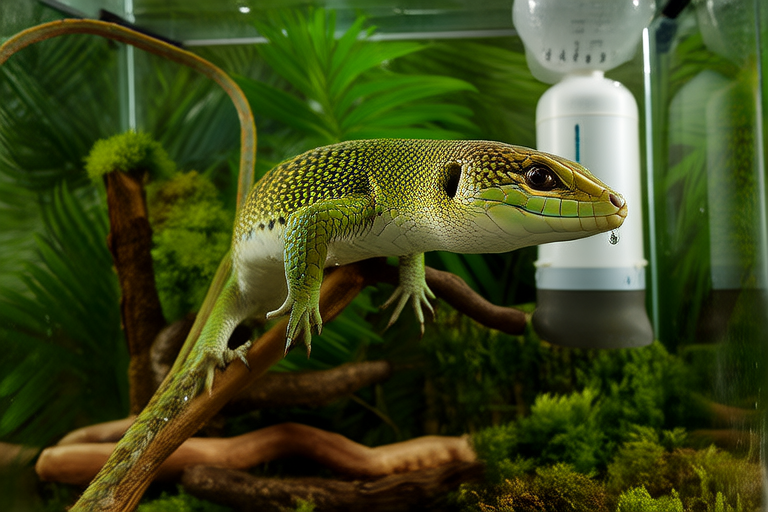
The Ultimate Guide to Choosing the Perfect Habitat for Your Chameleon
Chameleons are fascinating creatures with unique needs that must be met to ensure they thrive in captivity. Creating an environment that closely resembles their natural habitats is crucial for their physical and mental well-being. This guide will walk you through the essential components of setting up the perfect habitat for your chameleon, covering everything from enclosure size and type to lighting, temperature, humidity, substrates, plants, and maintenance.
Enclosure Size and Type
Choosing the right enclosure is one of the most important decisions you’ll make when setting up your chameleon’s home. The ideal cage should mimic the vertical nature of their natural habitat, allowing them plenty of space to climb and move around freely. A minimum of 30 gallons per adult chameleon is recommended, but larger enclosures are always better. For example, a baby panther chameleon can start in a 20-gallon tank, but it will need a 40-gallon or larger tank as an adult.
Mesh enclosures are preferable over glass ones because they provide better ventilation and allow for more natural airflow. Additionally, mesh cages prevent drafts while still permitting the circulation of air. Ensure that the enclosure has multiple branches and vines for climbing, as chameleons are arboreal animals that spend most of their time high off the ground.
Necessary Lighting Including UVB Requirements
Proper lighting is vital for a chameleon’s health, especially UVB light which helps them synthesize vitamin D3 and absorb calcium. Without adequate UVB exposure, your chameleon could develop metabolic bone disease (MBD), leading to serious health issues. Invest in a high-quality UVB bulb designed specifically for reptiles, ensuring it covers at least 70% of the enclosure. Replace the bulb every six months even if it seems to be working fine, as UVB output diminishes over time.
In addition to UVB lighting, full-spectrum lighting that mimics natural sunlight is also necessary for maintaining circadian rhythms and providing warmth. Place the lights at the top of the enclosure, ensuring they’re positioned so that your chameleon can bask directly under them without overheating. Use a timer to regulate the photoperiod, keeping the lights on for 10-12 hours daily.
Temperature Gradients
Chameleons are ectothermic, meaning they rely on external sources of heat to regulate their body temperature. It’s essential to create a thermal gradient within the enclosure, allowing your pet to thermoregulate effectively. Use an under-tank heater or ceramic heat emitter to maintain daytime temperatures between 75-85°F (24-29°C) at the bottom of the enclosure and 85-95°F (29-35°C) near the basking spot. At night, temperatures can drop to around 65-75°F (18-24°C).
A thermometer placed at both ends of the enclosure will help you monitor these temperature ranges accurately. Avoid placing the heat source directly above the basking area, as this can lead to hot spots and potentially burn your chameleon. Instead, position it on one side of the enclosure, creating a gentle temperature gradient.
Humidity Levels
Maintaining proper humidity levels is crucial for a chameleon’s respiratory system and hydration. Most chameleon species require humidity levels between 40-70%, though some tropical species may need higher humidity. To achieve this, mist the enclosure several times a day, ensuring all surfaces are thoroughly soaked. You can also use automatic misting systems or humidifiers to maintain consistent moisture levels.
Monitor humidity with a hygrometer placed inside the enclosure. Be cautious not to over-mist, as excess moisture can promote mold growth and respiratory infections. Proper ventilation is key to preventing stagnant air and excessive dampness.
Suitable Substrates
Substrate choice is critical for maintaining hygiene and preventing ingestion-related health issues. Avoid using loose substrates like sand or gravel, as these can cause impaction if ingested by your chameleon. Instead, opt for eco-friendly substrates such as coconut fiber, cypress mulch, or paper towels. These materials are safe, easy to clean, and promote healthy environmental conditions.
If you prefer a more natural look, consider using a layer of sphagnum moss or orchid bark chips. However, keep in mind that these substrates may require more frequent cleaning due to potential mold growth. Regardless of what substrate you choose, ensure it’s free from pesticides and other harmful chemicals.
Plants for Climbing and Hiding
Providing ample foliage for climbing, hiding, and hunting is essential for a chameleon’s psychological well-being. Live plants not only enhance aesthetics but also contribute to maintaining humidity levels and oxygenating the air. Popular choices include pothos, ficus, and schefflera plants, which are sturdy enough to support your chameleon’s weight.
Ensure that any live plants used are non-toxic and pesticide-free. You can also incorporate artificial plants if you’re concerned about potential pests or mold issues. Arrange branches and vines throughout the enclosure, creating multiple levels and pathways for your chameleon to explore. This setup encourages natural behaviors and reduces stress.
Tips for Regular Maintenance
Regular maintenance is key to keeping your chameleon’s habitat clean and safe. Clean the enclosure weekly, removing waste and debris. Rinse branches and decorations under running water, then disinfect them using a reptile-safe cleaner. Replace substrate as needed, ensuring it remains dry and free from contaminants.
Check all equipment regularly, including heating elements, lighting fixtures, and misting systems. Replace worn-out parts promptly to prevent malfunctions. Keep records of your chameleon’s feeding schedule, shedding cycles, and any changes in behavior or health. Early detection of problems can make a significant difference in treatment outcomes.
Specific Needs of Different Chameleon Species
Different chameleon species have varying habitat requirements based on their native environments. For instance, veiled chameleons originate from arid regions and typically prefer lower humidity levels compared to their tropical counterparts. Panther chameleons, on the other hand, come from lush rainforests and require higher humidity and more plant coverage.
Research your specific chameleon’s origins and adapt your habitat accordingly. Consult reputable sources or veterinarians specializing in exotic pets for guidance tailored to your particular species. Understanding these nuances ensures that your chameleon thrives in its new home.
In conclusion, creating a perfect habitat for your chameleon involves careful consideration of various factors. By focusing on appropriate enclosure size, lighting, temperature, humidity, substrate, and plant selection, you can provide your pet with an environment that promotes optimal health and happiness. Regular maintenance and attention to detail will further ensure longevity and quality of life for your beloved companion.
