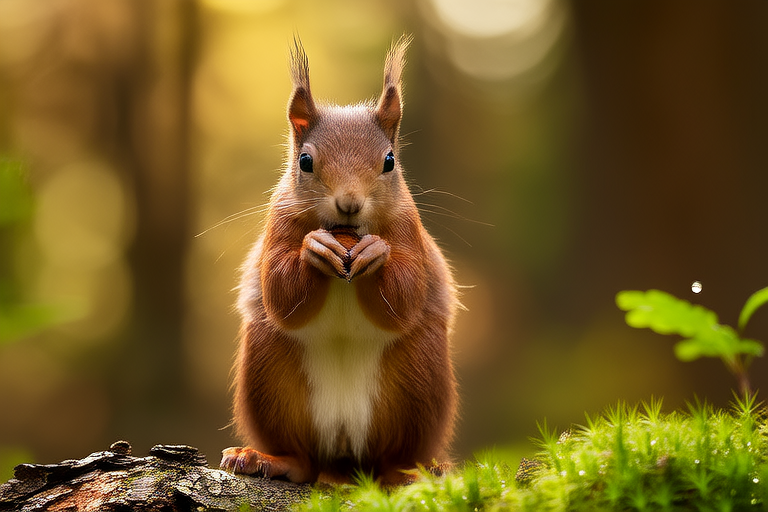
Squirrel Photography: Capturing The Cutest Moments In Nature
Photographing squirrels in their natural habitats offers a unique opportunity to capture some of the cutest and most dynamic moments in nature. Squirrels are playful, curious, and full of character, making them ideal subjects for wildlife photography. This guide will explore the techniques, equipment, and ethical considerations involved in capturing these adorable creatures.
The Best Times and Locations
Timing is crucial when it comes to photographing squirrels. Early morning and late afternoon are often the best times as squirrels are most active during these periods. These times offer soft, warm lighting that can add a magical quality to your images. Additionally, the cooler temperatures make it easier for both you and the squirrels to stay comfortable.
Choosing the right location is equally important. Parks, forests, and gardens with plenty of trees and shrubs are perfect spots for finding squirrels. Look for areas with a variety of food sources like nuts, seeds, and fruits. These places tend to attract more squirrels, increasing your chances of capturing great shots.
Necessary Equipment
To capture high-quality images of squirrels, you’ll need a few essential pieces of equipment. A DSLR or mirrorless camera with a good autofocus system is recommended. A telephoto lens with a focal length of at least 300mm will help you get close-up shots without disturbing the squirrels. Tripods and monopods are useful for stabilizing your camera and reducing camera shake, especially in low light conditions.
Additional accessories such as remote triggers, wireless flash units, and macro lenses can enhance your photography experience. Remote triggers allow you to take pictures from a distance, ensuring you don’t scare away the squirrels. Wireless flash units can help illuminate dark areas and create dramatic effects, while macro lenses enable you to capture intricate details of the squirrels’ fur and facial expressions.
Understanding Squirrel Behavior
To anticipate the movements of squirrels and capture the perfect shot, it’s important to understand their behavior. Squirrels are territorial and will often return to the same feeding areas. By observing their patterns, you can predict where they might appear next. They are also very curious creatures and may approach you if you remain still and quiet.
Learning about the different types of squirrels in your area can also be beneficial. For example, red squirrels are more solitary and shy compared to grey squirrels, which are more social and less likely to run away from humans. Knowing the habits and preferences of each species can help you plan your shoots accordingly.
Ethical Considerations
Respecting the natural environment and the animals within it is paramount in wildlife photography. Avoid using bait or lures to entice squirrels, as this can disrupt their natural behaviors and habitats. Always maintain a safe distance from the squirrels and never chase or harass them. If you’re using flash, ensure it doesn’t blind or startle the animals.
Consider the impact of your presence on the ecosystem. Try not to disturb other wildlife or damage vegetation. Leave no trace of your visit by packing out all trash and minimizing your environmental footprint.
Editing Your Photos
Editing can significantly enhance your squirrel photographs. Software like Adobe Lightroom or Photoshop allows you to adjust exposure, contrast, and color balance to bring out the best in your images. You can also crop and straighten your photos to improve composition.
Experiment with creative filters and effects to add a personal touch to your work. However, remember that excessive editing can detract from the authenticity of your photos. Strive for a balance between enhancing your images and preserving their natural beauty.
Challenges and Adorable Moments
Wildlife photography is inherently challenging. Patience is key, as squirrels can be unpredictable and elusive. Sometimes, you might spend hours waiting for the perfect shot only to come away empty-handed. However, the rewards of capturing those rare and adorable moments make the effort worthwhile.
Some of the most endearing moments captured on camera include squirrels playing, grooming each other, and interacting with their surroundings. These candid shots reveal the personalities of individual squirrels and provide a glimpse into their daily lives.
Patience and Respect for Nature
Successful wildlife photography requires patience and respect for nature. Take the time to observe your subjects and learn their behaviors. Be patient and persistent, even when faced with challenges. Remember that the goal is not just to capture beautiful images but also to appreciate and protect the natural world.
In conclusion, squirrel photography is a rewarding and delightful pursuit. By understanding the best times and locations for shooting, equipping yourself with the right gear, and respecting the animals and their environment, you can capture stunning and heartwarming images of these charming creatures. With dedication and a deep appreciation for nature, you’ll find that every moment spent photographing squirrels is a precious one.
