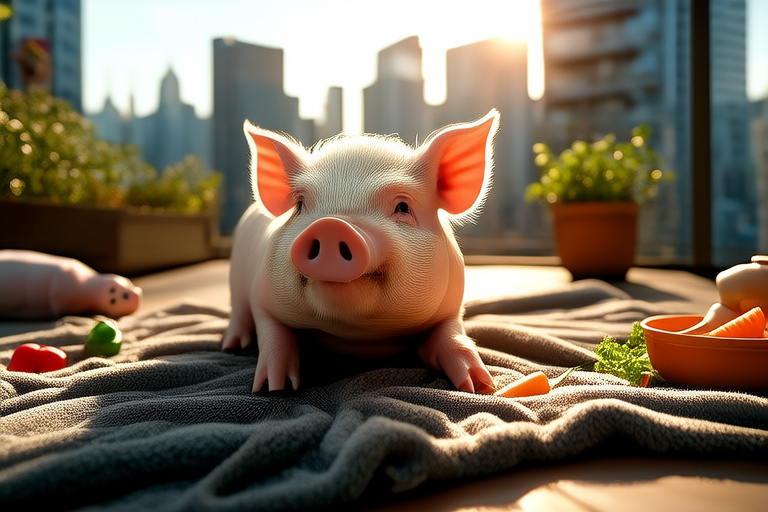
Mini Pigs in Urban Life: Myths vs. Reality
In recent years, mini pigs have gained significant attention as potential urban pets. Their compact size and charming demeanor have made them increasingly popular among city dwellers. However, the rise in interest has also brought about a variety of misconceptions regarding their care, behavior, and suitability for urban living. This article aims to dispel some of the most common myths surrounding mini pigs while providing factual insights into their dietary needs, space requirements, legal considerations, and social interactions.
The Growing Popularity of Mini Pigs
Mini pigs, or micro pigs, have become a trendy choice for urban families seeking a unique pet. These animals are often marketed as small, easy-to-care-for companions that can fit comfortably into apartment life. The surge in popularity is partly due to social media influencers showcasing their miniature piglets as adorable, intelligent, and affectionate creatures. Yet, behind this appealing facade lies a need for informed decision-making and responsible pet ownership.
Myth 1: Mini Pigs Stay Tiny
Reality: One of the biggest misconceptions about mini pigs is that they remain tiny throughout their lives. While breeders may promise miniature sizes, these pigs can grow to weigh between 50 to 150 pounds, depending on the breed and genetics. It’s crucial for potential owners to research the specific breed they’re interested in and understand the realistic size expectations.
Myth 2: Low Maintenance Pets
Reality: Contrary to popular belief, mini pigs require significant care and attention. They need a balanced diet rich in vitamins and minerals, regular exercise, and mental stimulation to stay healthy. Owners must be prepared to provide a stimulating environment and engage in daily activities such as playtime and training sessions.
Myth 3: Friendly and Gentle Creatures
Reality: Mini pigs are indeed social animals that enjoy human interaction but can display aggressive behaviors if not properly trained or socialized. Like any pet, they require early socialization and consistent training to ensure they behave appropriately around other animals and people.
Dietary Needs
Proper nutrition is vital for maintaining a mini pig’s health and well-being. Their diet should consist primarily of high-quality commercial pig feed, supplemented with fruits, vegetables, and limited amounts of grains. Owners should avoid feeding them excessive treats or human food, which can lead to obesity and health issues.
Space Requirements
Despite their name, mini pigs need ample space to move around and explore. In urban settings, this means providing a secure outdoor area where they can graze, root, and play. Indoor spaces should include a comfortable bed, toys, and areas for mental stimulation.
