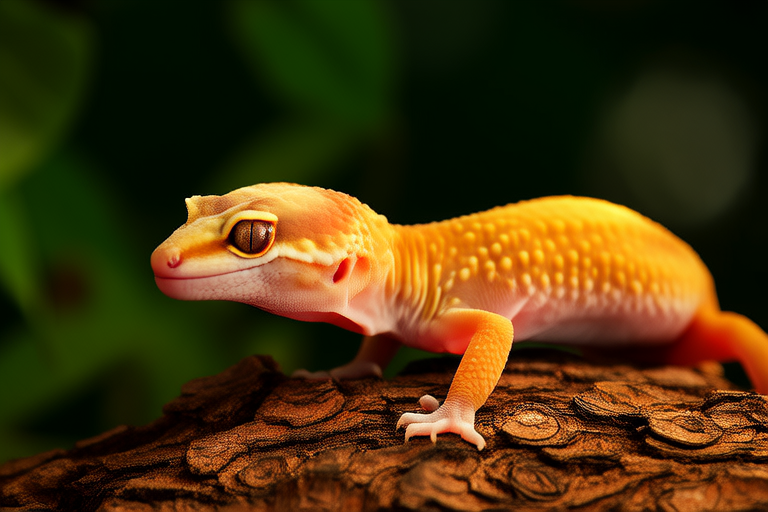
Adorable and Odd: Capturing Life with a Chameleon as a Pet
Welcome to the captivating world of chameleons! These peculiar reptiles have long fascinated people with their unique characteristics and behaviors. While they may not be the most conventional pets, chameleons offer a rewarding experience for those willing to take on the challenge of caring for one. This article will explore the enchanting aspects of chameleons, provide essential care tips, and dispel common myths surrounding these remarkable creatures.
The Fascinating Characteristics of Chameleons
Chameleons possess several extraordinary traits that set them apart from other reptiles. One of the most well-known features is their ability to change color. Contrary to popular belief, chameleons don’t change color to blend into their surroundings; instead, they do so for communication purposes and temperature regulation. Their skin contains specialized cells called chromatophores, which expand or contract depending on the chameleon’s mood, health, and environmental factors.
Another distinctive feature is their eyes. Chameleons can rotate their eyes independently, allowing them to scan their environment for threats and prey simultaneously. This unique adaptation gives them a 360-degree field of vision, making them excellent hunters. Additionally, their tongues are exceptionally long and sticky, capable of catching insects from distances up to twice their body length.
Habitat Setup
Creating a suitable habitat is crucial for the well-being of your chameleon. Start by choosing an appropriately sized enclosure. A juvenile chameleon will require a 20-gallon tank, while an adult needs at least a 40-gallon tank or larger. Ensure the enclosure is tall rather than wide, as chameleons prefer vertical space to climb.
Provide ample climbing branches and foliage within the enclosure. Branches should vary in diameter to accommodate different grip sizes. Live or artificial plants can also be added for enrichment and hiding spots. Place the branches at varying heights to encourage climbing and exercise.
Temperature and humidity control are vital for maintaining a healthy environment. Use a combination of heat lamps and under-tank heating pads to create a gradient of temperatures within the enclosure. The basking spot should reach approximately 90-100°F (32-38°C), while the cooler side should be around 70-75°F (21-24°C). Maintain humidity levels between 50% and 70% by misting the enclosure daily and using a water drip system.
Diet and Nutrition
Chameleons are insectivores, meaning their diet consists primarily of insects. Offer a variety of feeder insects, including crickets, dubia roaches, silkworms, and hornworms. Gut-load the insects with nutritious food before feeding them to your chameleon to ensure they receive adequate nutrients.
In addition to insects, supplement their diet with calcium and vitamins. Dust the insects with calcium powder every two to three feedings and multivitamin powder once a week. Provide fresh water daily in a shallow dish or through misting, as chameleons often drink droplets from leaves.
Health Maintenance
Regular veterinary check-ups are essential for monitoring your chameleon’s health. Look out for signs of illness, such as lethargy, loss of appetite, abnormal shedding, or changes in coloration. Promptly address any issues with the help of a veterinarian experienced in reptile care.
Proper hygiene is also crucial. Clean the enclosure weekly, removing waste and replacing substrate as needed. Disinfect the enclosure and accessories with a reptile-safe cleaner to prevent the buildup of harmful bacteria.
Common Misconceptions About Chameleons
One prevalent myth is that chameleons change color to camouflage themselves. As mentioned earlier, they actually use this ability for communication and temperature regulation. Another misconception is that chameleons thrive in group settings. In reality, chameleons are solitary animals and should be housed individually to avoid stress and aggression.
Some people believe that chameleons require minimal attention. However, these animals need careful monitoring and proper care to ensure their well-being. Regular handling and interaction are necessary for socialization and bonding.
Behavior and Interaction
Chameleons are generally calm and docile, but they may not enjoy being handled frequently. It’s important to approach them slowly and gently, allowing them time to acclimate to your presence. When handling, support their body fully and avoid excessive handling, as it can cause stress.
Chameleons communicate through various behaviors. For example, they may display bright colors when excited or threatened, flatten their bodies to appear larger, or puff out their throats to intimidate predators. Understanding these signals can help you better interact with your chameleon and ensure its comfort.
The Joys and Responsibilities of Owning a Chameleon
Owning a chameleon comes with both joys and responsibilities. Watching these fascinating creatures move and interact within their environment can be incredibly rewarding. Their unique appearance and behaviors make them a truly special pet.
However, it’s essential to recognize the commitment involved in caring for a chameleon. Providing the right habitat, diet, and healthcare requires dedication and effort. Potential owners should research thoroughly and ensure they are prepared for the long-term responsibility of caring for these delicate animals.
For current chameleon owners, this article serves as a reminder of the importance of ongoing education and care. By staying informed and attentive, you can ensure your chameleon lives a happy and healthy life.
Conclusion
Chameleons are undoubtedly adorable and odd, offering a unique and rewarding pet experience for those willing to embrace the challenges of ownership. With their fascinating characteristics, specific care requirements, and charming behaviors, chameleons captivate the hearts of many. By understanding and addressing their needs, you can provide a loving home for these remarkable reptiles and enjoy the joy of sharing your life with a chameleon.
